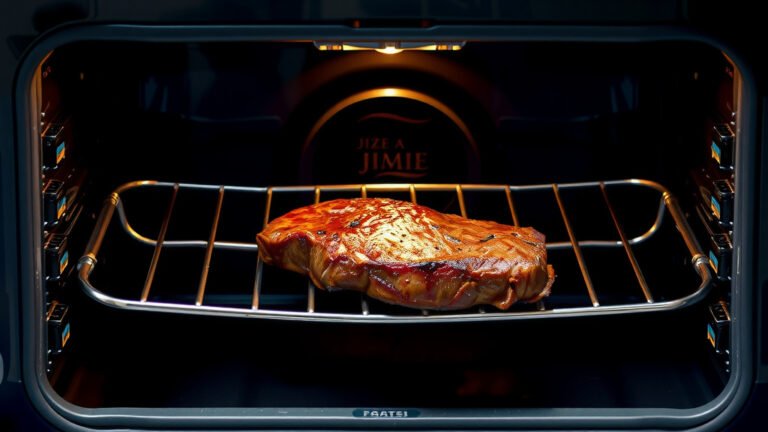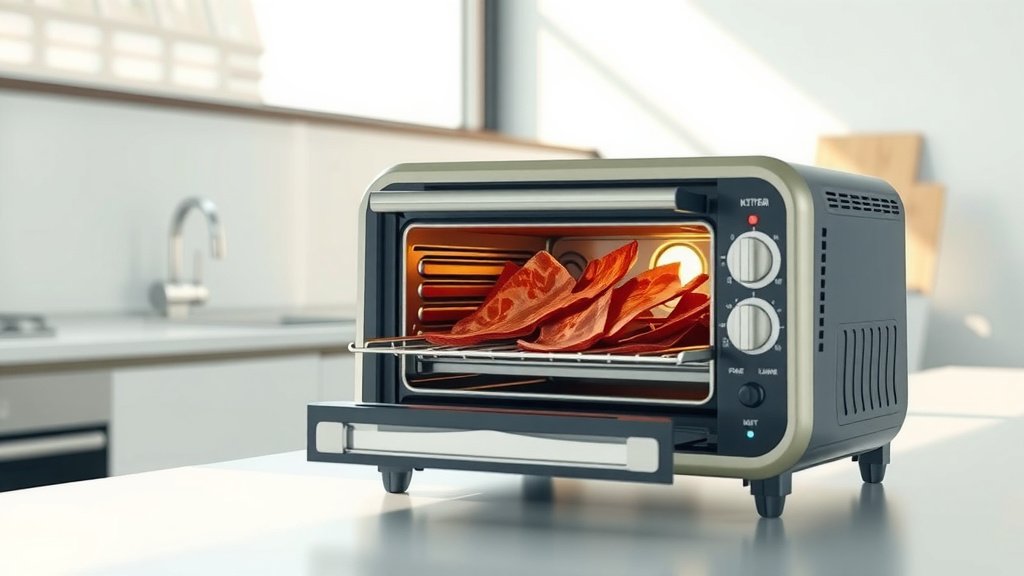
Yes, you can absolutely make jerky in a toaster oven, though it requires careful temperature control and proper ventilation to ensure safe and delicious results.
Toaster ovens can effectively dehydrate thin slices of marinated meat, replicating the low and slow heat needed for jerky, provided your model can maintain a steady, low temperature around 170°F (77°C).
- Toaster ovens can make jerky, but precise temperature control is vital.
- You need to set your oven to a low temperature, around 170°F (77°C), and ensure good airflow.
- Thinly sliced, lean meat works best, always marinated for flavor and safety.
- Expect the process to take several hours, requiring occasional checking and flipping.
- Always prioritize food safety by heating meat to a safe internal temperature first if desired.
Can You Make Jerky In A Toaster Oven?
Absolutely, you can make jerky in a toaster oven! It is a fantastic way to enjoy homemade jerky without a dedicated dehydrator. Just make sure your toaster oven can hold a low, consistent temperature.
Why Choose a Toaster Oven for Jerky?
Many home cooks wonder if their compact appliance can handle jerky. We found that a toaster oven can be a surprisingly effective tool for this task. It’s often more accessible than a large dehydrator for many households.
You might already own one, saving you from buying new equipment. For smaller batches, it’s also very efficient compared to a full-sized oven. Think of it as a miniature, controlled drying environment.
The Toaster Oven Advantage: What Makes It Work?
Toaster ovens excel at maintaining lower temperatures than conventional ovens. This capability is key for jerky making. You need to dry the meat slowly, not cook it rapidly.
Proper ventilation also allows moisture to escape, which is vital for dehydration. We found that models with convection settings are particularly good for this purpose (USDA).
Picking the Right Meat for Toaster Oven Jerky
Choosing the correct meat is your first important step. You want a lean cut with minimal fat, as fat can spoil quickly. Cuts like top round, bottom round, or flank steak are often preferred.
Many experts recommend trimming all visible fat before slicing. This helps ensure your jerky stays good longer. We found that leaner meats produce the best texture.
Slicing for Success: How Thin is Too Thin?
Uniform thickness is crucial for even drying. Aim for slices about 1/8 to 1/4 inch thick. Slightly frozen meat is often easier to slice consistently.
Cut against the grain for tender jerky or with the grain for a chewier texture. What’s your preference? That choice influences your final product.
Marinating Your Meat: Flavor is Key
Marination is where your jerky gets its fantastic taste. It also helps preserve the meat. Use a blend of salt, spices, and acid like soy sauce or Worcestershire sauce.
Allow the meat to marinate for at least 6-12 hours in the refrigerator. We found longer marinating times really deepen the flavor profile. Remember, safety first, so keep it chilled.
Flavor Combinations to Try
Get creative with your marinade! Try a sweet and spicy blend, or a classic smoky barbecue. Some people even like a teriyaki ginger mix. The options are truly endless.
Prepping for Perfection: Slicing and Patting Dry
After marinating, remove the meat from the liquid. Pat each slice thoroughly dry with paper towels. Removing excess moisture helps the meat dry faster and prevents mold.
Drier meat also means a better final texture. Many guidelines point to this as a critical step for quality jerky (Cleveland Clinic).
Setting Up Your Toaster Oven for Jerky
Preparation of your toaster oven is simple. Place a wire rack inside to allow for air circulation around the meat. Some folks line the bottom with foil for easy cleanup.
Ensure your toaster oven can maintain a consistent temperature. A reliable oven thermometer can be a good tool here to verify accuracy. We found this step prevents guesswork.
Temperature Control: The Magic Number
The ideal temperature for jerky in a toaster oven is generally 160-170°F (71-77°C). This low heat slowly removes moisture without cooking the meat too quickly. Don’t go too high, or you’ll cook the meat instead of drying it.
The Jerky-Making Process: Step-by-Step Guide
Lay your marinated, dried meat slices in a single layer on the wire rack. Make sure they aren’t touching each other. This allows for even air flow around each piece.
Set your toaster oven to the lowest possible setting, usually around 170°F (77°C). If your oven runs hot, you might need to prop the door open slightly with a wooden spoon. This helps humidity escape.
Cook the jerky for 3-5 hours, or even longer. Flip the pieces periodically to ensure even drying. We found checking after 2-3 hours and then every hour is a good practice.
Safety First: Avoiding Foodborne Illness
Making jerky at home requires attention to food safety. The USDA recommends pre-heating jerky to 160°F (71°C) to kill bacteria before drying (USDA).
This can be done by briefly baking the marinated meat at a higher temperature (e.g., 275°F/135°C) before lowering it for dehydration. Or, you can use a high-heat finish. Always check internal temperatures with a food thermometer.
Monitoring Your Jerky: How to Know When It’s Done
Your jerky is ready when it is dry and leathery but still pliable. It should bend without breaking. There should be no signs of moisture when you tear it.
Test a piece by allowing it to cool completely before checking. Many experts say a good test is if it cracks but does not snap clean. This indicates proper dryness.
Cooling and Storing Your Homemade Jerky
Once finished, let your jerky cool completely on a wire rack. This helps prevent condensation and mold formation. Patience here is a virtue.
Store cooled jerky in an airtight container at room temperature for up to two weeks. For longer storage, you can keep it in the refrigerator for a month or freeze it for several months. We found proper storage keeps it fresh.
| Feature | Toaster Oven Jerky | Dedicated Dehydrator Jerky |
|---|---|---|
| Temperature Control | Can be good, sometimes inconsistent at very low temps. | Excellent, designed for low, steady heat. |
| Air Circulation | Requires propping door open or convection setting. | Built-in fans for optimal airflow. |
| Capacity | Smaller batches, limited by oven size. | Larger batches, multiple trays. |
| Cost | No extra cost if you own one. | Initial investment required. |
| Time Required | Similar to dehydrator (3-8 hours depending on thickness). | Similar (3-8 hours). |
Tips for the Best Toaster Oven Jerky
- Always start with very lean meat.
- Slice your meat uniformly thin.
- Marinate for at least 6 hours for maximum flavor.
- Use an oven thermometer to verify temperature.
- Prop the door open slightly for air circulation.
- Flip jerky pieces every 1-2 hours for even drying.
- Ensure jerky is completely dry for safe storage.
Troubleshooting Common Toaster Oven Jerky Issues
Sometimes, your jerky might turn out too dry or too chewy. If it’s too dry, you likely cooked it too long or at too high a temperature. For chewy jerky, it needs more drying time.
Burnt edges usually mean the heat was uneven or too high. Try repositioning pieces or lowering the temperature slightly. Consistency comes with practice.
Why Toaster Ovens Aren’t Always the Best
While effective, a toaster oven might not offer the precise control of a dedicated dehydrator. Airflow can be a bit more inconsistent. Also, larger batches are difficult.
For serious jerky makers, a dehydrator offers more features. But for occasional use or testing the waters, your toaster oven is a fantastic starting point.
Conclusion
Making jerky in a toaster oven is definitely possible and can yield fantastic results. With a little care in temperature management, proper meat preparation, and vigilance, you can enjoy delicious homemade jerky. Remember, food safety is key, so always ensure the meat reaches a safe internal temperature during the process. Give it a try – you might just discover a new favorite kitchen adventure!
How long does it take to make jerky in a toaster oven?
The drying time for jerky in a toaster oven typically ranges from 3 to 8 hours. This can vary based on the thickness of your meat, the exact temperature of your oven, and how much moisture is in the air. Checking it every hour after the first couple of hours helps you achieve the perfect texture.
What is the lowest temperature setting for a toaster oven?
Most toaster ovens can go as low as 150°F (65°C) to 170°F (77°C). This low range is ideal for dehydrating, as it slowly removes moisture without cooking the meat too quickly. Always check your specific toaster oven’s manual for its minimum temperature capabilities.
Do I need to pre-cook meat for jerky for safety?
Many food safety guidelines, including those from the USDA, suggest heating jerky to an internal temperature of 160°F (71°C) before or during the drying process. This step helps to eliminate potential bacteria. You can do this by briefly baking the marinated meat at a higher temperature before dehydrating, or by using a high-heat finish method.
Can I use any type of meat for toaster oven jerky?
While you can technically use various meats, lean cuts are strongly recommended for jerky. High-fat meats can spoil quickly and don’t dehydrate as well. Opt for cuts like top round, bottom round, flank steak, or even lean poultry breast, ensuring all visible fat is trimmed away.
How do I prevent my jerky from getting too hard or brittle?
To prevent jerky from becoming too hard, monitor it closely and remove it from the oven when it’s still pliable but no longer moist. If it snaps cleanly when bent, it’s likely over-dried. Conversely, if it feels soft or damp, it needs more time. Adjusting the drying time and potentially slightly propping the oven door can help maintain a leathery, rather than brittle, texture.