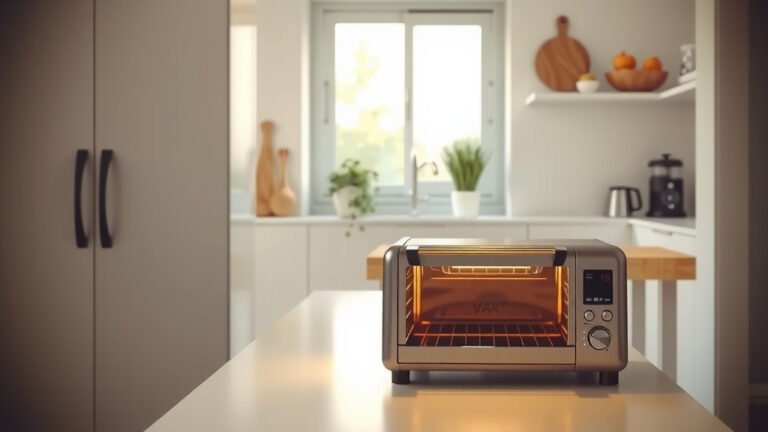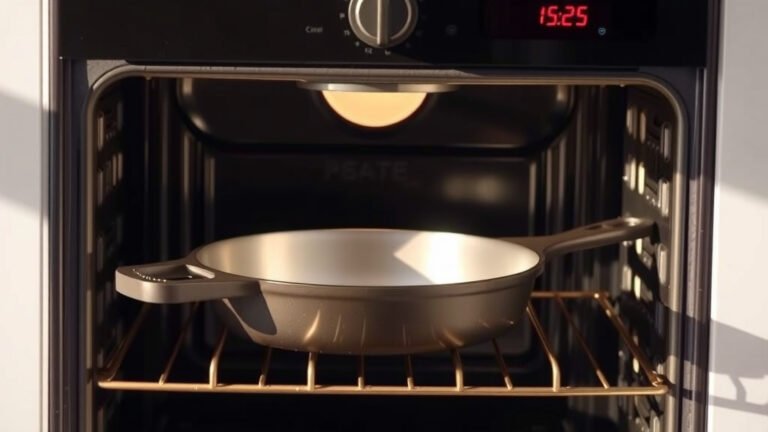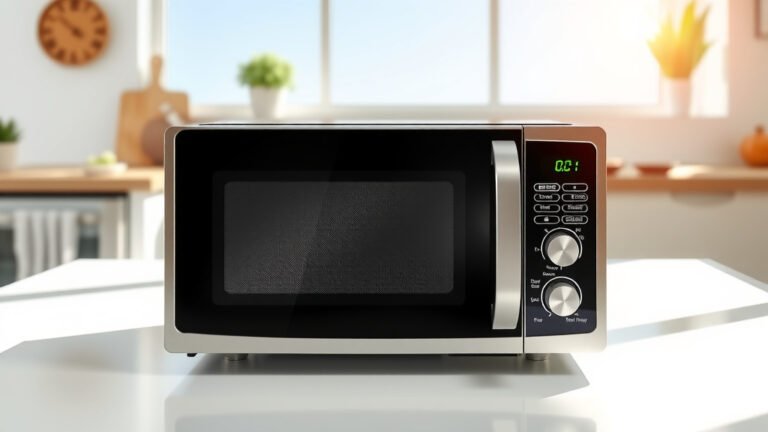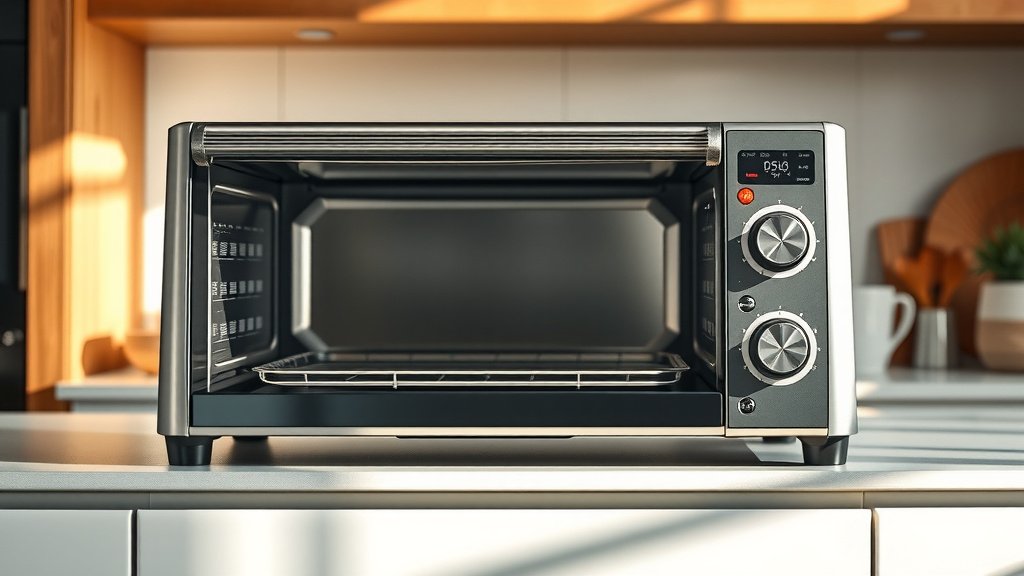
A toaster oven works by generating radiant heat through electric heating elements, often made of quartz or metal coils, to cook or toast food quickly and efficiently.
These compact kitchen appliances use precise temperature and timer controls, sometimes with a convection fan, to provide versatile cooking options for small meals and snacks.
Here’s a quick look at how these handy appliances work their magic:
- Toaster ovens use electric heating coils to create radiant heat.
- Many models include a fan for convection cooking, ensuring even heat distribution.
- You control the cooking with dials or digital settings for temperature, time, and function.
- They are perfect for quick toasting, reheating, or baking smaller food items.
- Understanding the basic mechanics helps you use your toaster oven best.
How Does A Toaster Oven Work?
A toaster oven operates using fundamental principles of heat transfer, primarily radiant heat, to warm and cook food. It’s like having a miniature oven right on your countertop, designed for efficiency.
You place food inside, set your desired temperature and time, and the heating elements do the rest. It’s a simple, yet powerful cooking method for many kitchen tasks.
The Basic Principle: Radiant Heat
Imagine the sun warming your face on a cool day; that’s similar to how a toaster oven cooks. It uses radiant heat, which means energy travels directly from the hot elements to your food in the form of infrared waves.
This direct heat transfer cooks surfaces quickly, giving your toast that perfect crispness or melting cheese on a sandwich. It’s a very effective way to brown and cook items fast.
Heating Elements: The Heart of the Heat
At the core of every toaster oven are its heating elements. These are typically thin, coiled wires, often made of nichrome, or sometimes quartz tubes.
When you turn on the oven, electricity flows through these elements, causing them to glow bright red and emit intense heat. You’ll usually find elements both above and below the food rack.
How Heat Spreads: Conduction and Convection
While radiant heat is key, other heat transfers also happen. When your food touches a hot pan, that’s conduction at play, directly transferring heat.
Many modern toaster ovens also feature a convection fan. This fan circulates hot air throughout the cooking chamber, ensuring more even cooking and often reducing cooking times. It’s like a tiny hot air tornado around your meal.
Understanding the Controls
Your toaster oven comes with various controls, whether they are simple dials or digital displays. These controls give you the power to dictate exactly how your food cooks.
Learning what each knob or button does helps you achieve consistent, delicious results every time. It’s about taking charge of your cooking process.
Temperature Settings: Finding the Right Heat
Just like a full-sized oven, your toaster oven lets you set the cooking temperature. Temperatures usually range from “warm” up to around 450°F (230°C).
For toasting, you often use a pre-set darkness level, but for baking or roasting, you dial in the exact heat needed for your recipe. This flexibility makes it a truly versatile appliance.
Timer Functions: Precision for Your Plate
A timer is essential for preventing burnt toast and overcooked meals. Toaster ovens have timers that you can set for a few minutes or up to an hour or more.
Some even have a “stay on” function for longer cooking tasks. We found that precise timing is vital for toaster oven cooking, helping you achieve perfect results consistently (Good Housekeeping).
Cooking Modes: More Than Just Toast
Beyond basic toast, most toaster ovens offer several cooking modes. These can include bake, broil, reheat, defrost, and even pizza settings.
Each mode adjusts which heating elements activate and at what intensity. For instance, broil uses mainly the top heating element for searing, while bake uses both for all-around cooking.
Inside Your Toaster Oven: Key Components
While the outside looks simple, several crucial parts work together within your toaster oven to ensure it functions effectively. Each component plays a specific role in the cooking process.
Understanding these parts gives you a better appreciation for the appliance’s design and how it efficiently prepares food.
The Outer Shell and Insulation
The exterior of the toaster oven is typically a metal casing, often stainless steel, designed to be durable and easy to clean. Inside this shell is a layer of insulating material.
This insulation helps keep the heat contained within the cooking chamber, making the oven more efficient and keeping its exterior cooler to the touch. This means your kitchen stays a bit cooler while cooking.
The Racks and Trays
Inside, you’ll find one or more removable wire racks, similar to those in a larger oven. These racks can often be adjusted to different heights, allowing you to position food closer or farther from the heating elements.
Many models also include a small baking pan or crumb tray. The crumb tray is especially important for catching drips and crumbs, making cleanup much easier and preventing smoking or odors.
The Fan (for Convection Models)
In convection toaster ovens, a small fan is typically located at the back of the cooking chamber. This fan constantly circulates the hot air around your food.
This circulation helps to cook food more evenly and often more quickly, as it prevents hot and cold spots. Many experts say that convection technology can improve the texture and speed of cooking for many items.
The Science Behind the Bake
There’s a reason why a small toaster oven often feels faster for small tasks than a big oven. It comes down to some clever physics and smart design choices.
Let’s look at why these compact appliances are such speedy performers in the kitchen.
Why Toaster Ovens Heat Up So Fast
A primary reason toaster ovens heat quickly is their small interior volume. Less space means less air to heat up before reaching the desired temperature.
Additionally, the heating elements are relatively close to the food, allowing for rapid radiant heat transfer. This combination makes them ideal when you need to cook something in a hurry.
Energy Efficiency: Small Oven, Big Savings?
When cooking smaller portions, a toaster oven is often more energy-efficient than a full-sized oven. It uses less electricity to heat its compact space.
Research often connects smaller appliances to lower energy usage for small tasks (Energy Star). So, for reheating leftovers or baking a couple of cookies, your toaster oven can be a greener choice.
Common Uses and Best Practices
Toaster ovens are incredibly versatile, fitting into almost any kitchen routine. They’re not just for toast anymore; they can handle a surprising array of culinary creations.
Knowing their best uses and how to get the most out of them can make your cooking life easier and more efficient.
What Can You Cook in a Toaster Oven?
The possibilities are quite broad! You can toast bread, bagels, and pastries perfectly. It’s excellent for frozen foods like pizza rolls, chicken nuggets, or small pizzas.
Beyond that, you can bake cookies, roast vegetables, reheat leftovers, or even cook a couple of chicken breasts. It’s a handy tool for single servings or small family meals.
Tips for Optimal Toaster Oven Cooking
Getting the best results from your toaster oven is simple with a few smart moves. Here’s a quick checklist to keep in mind:
- Always preheat your oven for even cooking.
- Avoid overcrowding the oven; give food space for air circulation.
- Use appropriate bakeware, usually metal or glass, sized for the oven.
- Clean the crumb tray regularly to prevent smoke and odors.
- Keep an eye on food, as toaster ovens can cook faster than larger ovens.
| Feature | Toaster Oven | Traditional Oven | Microwave |
|---|---|---|---|
| Heating Method | Radiant, Convection (often) | Convection, Radiant | Microwave radiation |
| Best For | Toast, small bakes, reheating, broiling | Large roasts, multiple dishes, full meals | Quick reheating, defrosting, boiling liquids |
| Cooking Time | Fast preheat, quick cooking for small items | Slower preheat, longer cook times | Very fast for specific tasks |
| Crisping/Browning | Excellent | Excellent | Poor |
| Energy Use (small task) | Low | High | Medium |
Conclusion
Understanding how a toaster oven works reveals it as more than just a simple bread toaster. It’s a miniature culinary powerhouse, leveraging electric heating elements and often convection technology to deliver efficient and versatile cooking.
From its speedy preheating to its varied cooking modes, this appliance offers a practical solution for many everyday kitchen needs. By knowing its components and principles, you can confidently use your toaster oven to create delicious meals and snacks with ease.
What is the main difference between a toaster oven and a microwave?
The main difference lies in their heating methods. A toaster oven uses radiant heat, like a conventional oven, to brown and crisp food. A microwave uses electromagnetic waves that excite water molecules to heat food from the inside, making it fast but not great for texture or browning.
Can I bake a cake in a toaster oven?
Yes, you can absolutely bake a small cake or cupcakes in a toaster oven, provided the baking pan fits inside. You would typically use the “bake” setting and follow your recipe’s temperature and time guidelines, though you might need to adjust baking time slightly due to the smaller oven size.
Are toaster ovens safe to leave unattended?
While designed for safety, like any heating appliance, it’s generally best practice not to leave a toaster oven completely unattended, especially during longer cooking cycles. Always keep flammable items away from the oven and ensure proper ventilation, as many experts advise to avoid fire risks (NFPA).
How do I clean my toaster oven effectively?
For effective cleaning, always unplug the unit and let it cool completely. Remove the crumb tray and empty it, then wash it with warm, soapy water. Wipe down the interior with a damp cloth and mild soap, avoiding harsh abrasives. The racks can usually be washed in the sink or dishwasher.
Do all toaster ovens have a convection fan?
No, not all toaster ovens have a convection fan. Many basic or older models rely solely on radiant heat. Convection models are typically advertised as “convection toaster ovens” and include a fan to circulate hot air, which helps food cook more evenly and sometimes faster.