
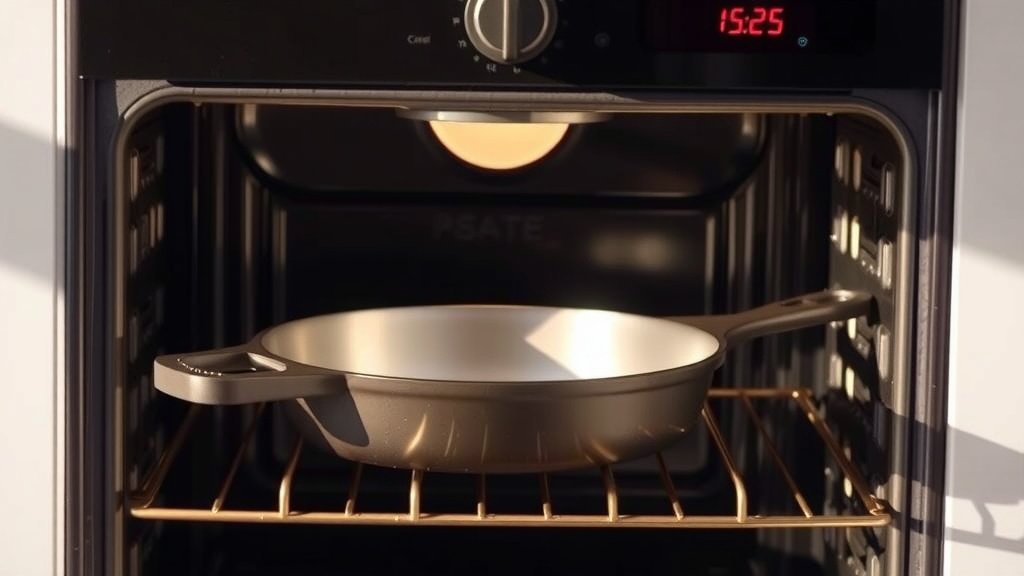
Yes, you absolutely can use cast iron in an electric oven with fantastic results. This durable cookware is perfectly safe and highly effective for baking, roasting, and braising in your electric appliance.
In fact, cast iron’s excellent heat retention makes it a superb choice for achieving evenly cooked dishes in electric ovens, from crispy roasts to perfectly baked bread.
Too busy to read the whole guide? Here’s the quick scoop:
- Cast iron is completely safe for electric ovens.
- It delivers amazing heat distribution and retention, perfect for cooking.
- Always preheat your cast iron with the oven to avoid sudden temperature changes.
- Regular seasoning keeps your pan non-stick and protected, even with oven use.
- Both bare and enameled cast iron perform wonderfully in electric ovens.
Can You Use Cast Iron In Electric Oven?
Absolutely, using cast iron in an electric oven is not only possible but often highly recommended by cooking enthusiasts. This robust cookware handles the heat of your electric oven beautifully, giving you versatile cooking options.
We found that cast iron performs exceptionally well, offering consistent heat for delicious, evenly cooked meals every time.
Why Cast Iron and Electric Ovens Are a Great Match
You’re not alone if you’ve pondered this kitchen question. Many home cooks wonder about combining traditional cast iron with modern electric ovens. The good news? They’re a fantastic pairing!
The synergy between the two creates ideal cooking conditions for many recipes, making your kitchen adventures even more delightful.
Amazing Heat Retention
Cast iron is famous for its ability to hold onto heat. Once it gets hot, it stays hot. This means your food cooks evenly without sudden temperature drops when you open the oven door.
It acts like a small, insulated oven within your oven, keeping your dishes warm and cooking steadily. Think of it like a cozy blanket for your food (Food & Wine).
Superior Evenness
Electric ovens sometimes have hotspots. However, cast iron helps smooth these out. Its thick structure distributes heat across its surface, giving you a more consistent cooking area.
This means no more burnt edges and undercooked centers for your casseroles or cornbread. You’ll get a beautiful, uniform result every time.
Preparing Your Cast Iron for Oven Use
Before you toss your skillet into the oven, a little preparation goes a long way. This ensures both the longevity of your pan and the best cooking outcomes.
Think of it as setting the stage for a perfect meal. A small effort now means great results later.
Gentle Preheating is Key
Always preheat your cast iron pan along with your electric oven. Placing a cold pan into a hot oven can sometimes lead to thermal shock, which we want to avoid.
This gradual heating lets the iron expand slowly, preventing potential stress. It’s like easing into a warm bath rather than jumping into a cold pool; much more comfortable for your pan!
Preventing Thermal Shock
Thermal shock can cause cast iron to crack or warp, especially if it’s an older or thinner piece. To prevent this, never put a very cold pan into a hot oven or a very hot pan under cold water.
Allowing your pan to cool down naturally after use is another simple but effective step. Patience is a true kitchen virtue when it comes to caring for your cast iron.
Maintaining Your Skillet’s Performance
Using your cast iron in the oven often requires similar care to stovetop use, but with a few extra considerations. Keeping it well-maintained ensures it remains your go-to cooking tool for years.
A little care post-oven will keep your cast iron happy and ready for its next adventure.
Reinforcing Seasoning
Oven baking can sometimes dry out your seasoning, especially if cooking at high temperatures for extended periods. A quick re-seasoning with a thin layer of oil after cooling down can help.
This simple step helps to maintain that lovely non-stick surface and protects against rust. Many experts say that oven baking actually strengthens the seasoning layer over time (America’s Test Kitchen).
Post-Bake Cleaning Tips
After you pull your masterpiece from the oven, let the pan cool down significantly before cleaning. Once cool enough to handle, scrape off any food residue and wash with hot water.
Avoid harsh soaps, which can strip seasoning. Dry immediately and apply a thin layer of oil. This routine keeps your pan in prime cooking condition.
Enamel vs. Bare Cast Iron: A Quick Look
Both bare (uncoated) and enameled cast iron perform beautifully in an electric oven. Enameled cast iron usually has a smooth, glass-like coating that doesn’t require seasoning.
Bare cast iron offers direct heat and develops a rich patina over time. Choose based on your preference; both are excellent oven companions.
Does Your Electric Oven Type Matter?
Most electric ovens are conventional, meaning they heat from the bottom or top elements. Convection ovens, with their circulating fans, distribute heat even more evenly.
Cast iron works well in both. In a convection oven, you might find slightly faster cooking or crispier results, so keep an eye on your food. But rest assured, your cast iron will adapt.
Essential Safety Pointers
Working with hot cast iron from an oven needs a little extra caution. These pans hold a lot of heat, and their handles can get extremely hot too.
Always prioritize your safety to avoid any kitchen mishaps. A momentary lapse could lead to a burn.
Protecting Yourself
Always use heavy-duty oven mitts or heat-resistant gloves when handling hot cast iron from the oven. Even the handle will be scorching hot, a fact many forget in the heat of cooking.
Many guidelines point to always assuming the entire pan is hot (Culinary Safety Institute).
Securing Your Cookware
Cast iron is heavy. Make sure your oven racks are securely in place and can support the weight of your pan, especially when full of food. A wobbly rack is a recipe for disaster.
Use two hands to lift and place your pan if needed. You don’t want your delicious meal to end up on the oven floor, do you? Safety first, always.
Popular Dishes for Oven-Baked Cast Iron
What about that lovely deep-dish pizza you’re dreaming of? Or maybe a rustic bread with a perfect crust? Cast iron in an electric oven opens up a world of culinary possibilities.
From roasted chicken to apple crumbles, your cast iron skillet is ready for the challenge.
Cast Iron’s Edge Over Other Cookware
How does cast iron stack up against other common oven-safe cookware? Let’s take a quick peek to see its advantages, especially in an electric oven environment.
Each material has its pros and cons, but cast iron truly shines for specific tasks.
| Feature | Cast Iron | Stainless Steel | Glass/Ceramic |
|---|---|---|---|
| Heat Retention | Excellent | Good | Moderate |
| Even Heating | Very Good | Good | Fair to Good |
| Durability | Extremely High | High | Moderate (prone to breaking) |
| Versatility | Oven, Stovetop, Grill | Oven, Stovetop | Mostly Oven |
| Non-Stick (Seasoned) | Yes | No | No |
Oven-Ready Cast Iron Checklist
Before you pop your cast iron into the electric oven, a quick mental check can save you trouble. Here’s a handy list to keep in mind:
- Is the pan clean and properly seasoned?
- Are your oven mitts within easy reach?
- Is the oven rack at the correct, secure position?
- Have you preheated the pan with the oven?
- Is the recipe appropriate for oven-baked cast iron?
Conclusion
So, can you use cast iron in an electric oven? The answer is a resounding yes! Not only is it safe, but it’s also an exceptional choice for countless recipes, thanks to its stellar heat retention and distribution.
By following a few simple steps for preparation, maintenance, and safety, you can confidently wield your cast iron in your electric oven, creating memorable meals for yourself and your loved ones. Get ready to enjoy the fantastic results this dynamic duo brings to your kitchen!
Can I use enameled cast iron in an electric oven?
Absolutely, enameled cast iron is perfectly safe for use in an electric oven. Its enamel coating is designed to withstand high temperatures, making it ideal for baking, roasting, and braising without needing seasoning.
What is the maximum temperature for cast iron in an electric oven?
Most bare cast iron skillets can safely handle temperatures up to 500-600°F (260-315°C) and even higher. For enameled cast iron, always check the manufacturer’s specific recommendations, as some might have slightly lower temperature limits for their enamel.
Does using cast iron in the oven affect its seasoning?
Oven use can actually strengthen your cast iron’s seasoning over time, especially with regular use and proper care. High heat exposure helps polymerize the oil, creating a tougher, more durable non-stick layer. Just remember to re-oil after cleaning if it looks dry.
Do I need to adjust cooking times when using cast iron in an electric oven?
Because cast iron holds heat so well, your food might cook slightly faster or more evenly than with lighter cookware. It’s always a good idea to start checking your food a little earlier than usual, especially when you’re first getting used to cooking with cast iron in your oven.
Can I put a hot cast iron pan from the stovetop directly into a preheated electric oven?
Yes, you can transfer a hot cast iron pan from the stovetop directly into a preheated electric oven. This is a common technique for recipes that start on the stove and finish in the oven, like frittatas or pan-seared steaks. Just be sure to use oven mitts!
