
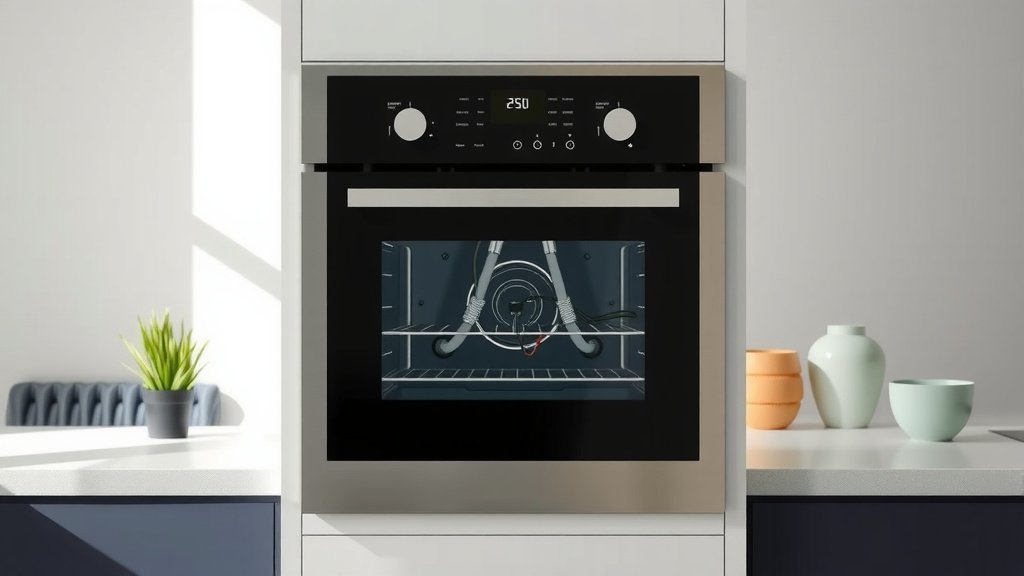
Yes, an electric oven almost always needs special dedicated wiring, typically a 240-volt circuit, unlike smaller kitchen appliances.
This higher voltage and specific amperage are essential to safely power your oven’s heating elements without overloading your home’s electrical system.
- Most electric ovens require a 240-volt, 30-to-50-amp dedicated circuit for safe operation.
- Standard wall outlets are 120-volt and cannot power an electric oven safely.
- Improper wiring can lead to tripped breakers, damaged appliances, or even fire.
- Always consult your oven’s manual and a licensed electrician if you’re uncertain.
Does Electric Oven Need Special Wiring?
Yes, absolutely. An electric oven demands special dedicated wiring because it uses significantly more power than your typical kitchen device.
You can’t just plug it into any standard wall outlet and expect it to work safely or efficiently.
Why Dedicated Wiring is a Must
Imagine trying to power a whole house with a tiny phone charger. It simply won’t work, right? Your electric oven is a powerful appliance, not a toaster.
It needs its own direct line to your home’s electrical panel to draw the necessary current safely.
The 240-Volt Difference
Most of your home’s outlets provide 120 volts. This is fine for microwaves, blenders, or lamps. However, electric ovens, clothes dryers, and central air conditioners use 240 volts.
This higher voltage allows the oven to generate the intense heat it needs for baking and broiling efficiently (U.S. Department of Energy).
Safety First: Overload Risks
Plugging a 240-volt oven into a 120-volt outlet is not just ineffective; it’s dangerous. You’d likely trip the circuit breaker immediately.
More dangerously, it could cause wiring to overheat, leading to fire risks or permanent damage to your appliance and home’s electrical system. Your family’s safety is always the top priority.
Understanding Your Home’s Electrical System
Your home’s electricity is like a network of roads. Each appliance is a car, and the wiring is the road itself. Ovens are like heavy trucks; they need wider, stronger roads.
This means understanding breaker panels, amperage, and wiring gauge.
Breaker Panels and Amperage
Your electrical panel is the central hub, like a traffic controller. It houses circuit breakers that protect your home.
An electric oven typically needs a dedicated 30-amp or 50-amp double-pole breaker. This breaker takes up two slots in your panel.
Here’s a quick guide to common oven power needs:
| Oven Type | Voltage Requirement | Typical Amperage |
|---|---|---|
| Standard Electric Range | 240V | 40-50 Amps |
| Wall Oven (Single) | 240V | 20-30 Amps |
| Wall Oven (Double) | 240V | 30-50 Amps |
| Cooktop (Electric) | 240V | 30-50 Amps |
Wiring Gauge Explained
Wiring gauge refers to the thickness of the wire. A lower gauge number means a thicker wire. Thicker wires can carry more current safely.
For a 30-amp oven, you’d typically need 10-gauge wire. For 50 amps, 6-gauge wire is often required. Using too thin a wire is a significant fire hazard.
Identifying Existing Wiring for an Oven
Are you replacing an old electric oven? You might already have the correct wiring. Look at the wall outlet behind your existing oven.
A 240-volt outlet will look different from a standard 120-volt one; it usually has three or four larger holes, often arranged differently (National Electrical Code).
Here’s a quick checklist to help you verify:
- Is the outlet behind your old oven larger than standard wall outlets?
- Does your electrical panel have a double-pole breaker labeled for the oven?
- Is the breaker rated for 30 amps or higher?
- Do the wires leading to the oven outlet appear thicker than normal house wiring?
- Was your previous oven also a 240-volt electric model?
What if Your Home Lacks the Right Wiring?
If you’re upgrading from a gas oven to electric, or if your home is older, you likely won’t have the necessary 240-volt circuit.
In this situation, you absolutely need a professional electrician to install the correct wiring.
Hiring a Licensed Electrician
This is not a DIY job unless you are a qualified and experienced electrician yourself. Working with 240-volt electricity is extremely dangerous.
A licensed electrician understands local codes, ensures proper sizing, and guarantees a safe installation. We found that trying to cut corners here often leads to bigger, costlier problems.
The Installation Process Explained
An electrician will run a new dedicated circuit from your main electrical panel to where your oven will be. This involves:
Installing a new double-pole breaker in your panel. Running appropriate gauge wire through walls and ceilings. Installing the correct 240-volt receptacle. Finally, connecting the oven to the new circuit. It’s a precise process.
Comparing Electric and Gas Oven Hookups
Gas ovens need a gas line connection and a standard 120-volt outlet for their igniter and light. Electric ovens, as we’ve discussed, need that heavy-duty 240-volt electrical connection.
The energy source dictates the setup. Many experts say converting from gas to electric requires significant work for both gas line capping and new electrical installation.
Can You Install an Electric Oven Yourself?
Once the correct 240-volt wiring and outlet are installed by an electrician, you can often plug in and slide the oven into place yourself.
However, the actual electrical wiring from the panel to the outlet is where the professional expertise is critical. Don’t risk it without proper qualifications.
Common Questions About Oven Wiring
People often wonder if their circuit can handle other appliances. Generally, a dedicated oven circuit is *only* for the oven. You shouldn’t try to share it.
Also, don’t use extension cords with electric ovens; they’re not rated for the high power and are fire hazards.
Conclusion
To put it plainly, yes, an electric oven absolutely needs special wiring. This isn’t just about getting your appliance to work; it’s about the safety of your home and everyone in it.
Investing in the correct 240-volt dedicated circuit and professional installation ensures your oven operates efficiently and safely for years to come. Think of it as laying the proper foundation for a powerful new addition to your kitchen.
Does a small electric oven require special wiring?
Most countertop or small portable electric ovens typically run on standard 120-volt outlets and do not require special wiring. However, always check the appliance’s specific power requirements on its label or in the user manual to be sure.
What does a 240-volt outlet look like?
A 240-volt outlet, often called a dryer or range outlet, is larger than standard 120-volt outlets. It usually has three or four prongs, with the openings arranged in a specific, often L-shaped or circular pattern, visibly different from a typical two- or three-prong wall outlet.
Can I use an adapter to plug my electric oven into a standard outlet?
No, you should never use an adapter to plug a 240-volt electric oven into a standard 120-volt outlet. This is incredibly dangerous and can cause severe damage to the oven, trip breakers, or even start an electrical fire due to the massive current mismatch.
How much does it cost to install special wiring for an electric oven?
The cost to install special wiring for an electric oven can vary widely based on your location, the complexity of the job (e.g., distance from the electrical panel, need to run wires through walls), and the electrician’s rates. It can range from a few hundred dollars to over a thousand.
Can an electric oven run on the same circuit as other kitchen appliances?
No, an electric oven should always be on its own dedicated circuit. Its high power draw would overload a shared circuit, causing breakers to trip frequently and creating a fire hazard. Dedicated circuits are a fundamental safety measure for major appliances.
