
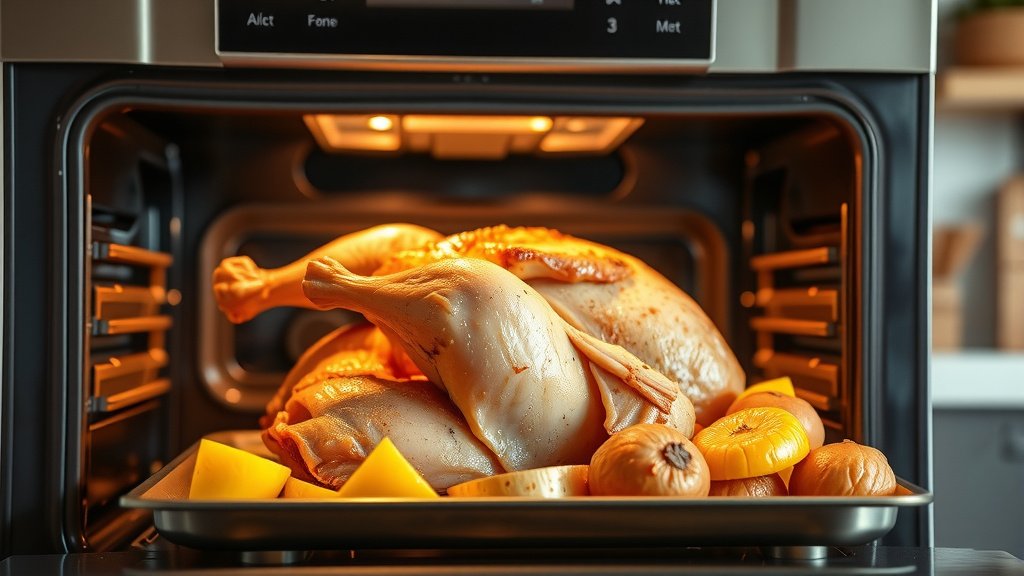
You can stop an electric oven from drying food by adding moisture to the oven cavity, adjusting cooking temperature, and using oven-safe covers.
Controlling temperature and humidity prevents your dishes from becoming dry and tough, ensuring juicy results. This is key to preventing your electric oven from drying food.
- To stop your electric oven from drying food, always add moisture.
- Use lower temperatures and shorter cooking times for best results.
- Cover your food with foil or an oven bag for moisture retention.
- Always preheat your oven properly before placing food inside.
- Consider a deeper, oven-safe pan to reduce direct heat exposure.
How To Stop Electric Oven From Drying Food?
It can be frustrating when your delicious meal comes out dry from the oven. Electric ovens often create a dry heat environment, stripping moisture from your food.
But don’t worry, you can make simple changes to keep your roasts juicy and your baked goods moist. We will show you how to get better results.
Why Does My Electric Oven Dry Out Food?
Electric ovens use heating elements to warm the air inside. This constant flow of hot, dry air can pull moisture right out of your food.
Unlike gas ovens, which produce some water vapor as a byproduct of combustion, electric models are usually drier. This makes them prone to drying out dishes faster.
Understanding the Heat Transfer
Your oven heats food through convection, radiation, and conduction. Dry convection heat is a big factor in moisture loss. The circulating hot air pulls moisture from surfaces, leading to dry textures.
Think of it like a desert wind blowing over a wet cloth. Over time, the cloth will lose all its moisture. Your food experiences a similar effect inside a dry oven.
The Number One Rule: Add Moisture
The simplest way to fight dry heat is to introduce more moisture into the oven itself. This helps create a more humid cooking environment.
Many experts say that adding steam can save your dish (Chef’s Academy). This simple trick often yields fantastic results for many recipes.
Using Water Pans and Baths
Place a shallow, oven-safe pan filled with water on the bottom rack of your oven. The water will evaporate, filling the oven with steam.
This is especially helpful for baking bread or roasting meats. A water bath, where your baking dish sits inside a larger pan of water, works well for custards and cheesecakes.
Spritzy Solutions for Juiciness
For some dishes, like crusty bread, a quick spritz of water directly into the oven every 10-15 minutes helps create a beautiful crust. You can use a clean spray bottle for this.
Be careful not to open the oven door too often. Each time you do, you lose valuable heat and moisture, which can extend cooking times.
Temperature is Your Friend: Go Low and Slow
Cooking at high temperatures often dries food out quickly. The exterior cooks faster than the interior, leading to a tough outside and dry inside.
We found that lower temperatures with longer cooking times keep food juicy. This method allows heat to penetrate evenly without aggressively evaporating moisture.
The Science Behind Lower Temps
When you cook slowly, muscle fibers in meat stay tender, and liquids remain trapped. Research often connects slower cooking with better moisture retention (Food Science Journal).
Aim for temperatures like 275°F (135°C) to 325°F (160°C) for meats. This gentle heat helps break down connective tissues without drying the protein.
Cover Up! The Power of Lids and Foil
A simple covering can make a huge difference. Covering food traps steam, creating a mini-humid environment around your dish. This keeps moisture from escaping.
Think of it as giving your food a warm, steamy blanket. It protects against direct, drying heat and helps cook food evenly.
Different Covers for Different Foods
Choosing the right cover depends on your dish. Here’s a quick guide to help:
| Cover Type | Benefit | Best For |
|---|---|---|
| Aluminum Foil | Traps steam, reflects heat. | Roasts, casseroles, baked goods. |
| Oven Bags | Seals in moisture, speeds cooking. | Whole chickens, turkey, pot roasts. |
| Lids (Pot/Casserole) | Direct steam retention. | Stew, braises, dishes with liquid. |
| Parchment Paper | Gentle cover, prevents sticking. | Fish, vegetables (less moisture trap). |
Choose the Right Cookware
The pan you use also impacts how food cooks and retains moisture. Material and depth can play a big role in preventing dry dishes.
Heavy, oven-safe dishes like ceramic or cast iron hold and distribute heat more evenly. This consistent heat helps prevent hot spots that can dry out food.
Deep Dishes vs. Shallow Pans
Deep baking dishes allow liquids to collect around your food, creating more steam. This is perfect for braises or roasts with a bit of broth.
Shallow pans expose more surface area to direct heat. While good for browning, they can dry out food quickly without added moisture or a cover.
Preparation Matters: Brining and Thawing
Sometimes, the key to juicy results starts before the oven. How you prepare your ingredients can significantly impact their final texture.
You can lock in moisture early with some smart pre-cooking steps. This ensures a more flavorful and moist outcome from your electric oven.
The Brining Secret
Brining involves soaking meat in a salt and water solution before cooking. This process helps meat absorb extra moisture and keeps it juicy during baking.
Many guidelines point to brining poultry for several hours as a good first step (Mayo Clinic). This makes a real difference in preventing dryness.
Don’t Crowd the Oven
Stuffing too much food into your oven can hinder proper air circulation. This leads to uneven cooking and can make some parts of your meal dry out faster.
Give your food space to breathe. Use multiple racks if needed, or cook items in batches. This ensures even heat distribution and consistent cooking.
Oven Calibration and Maintenance
An oven that’s not heating accurately can cause problems. If your oven runs too hot, it will dry out food faster than expected.
Consider buying an oven thermometer to check your oven’s true temperature. If it’s off, you might need to adjust your cooking times or get the oven calibrated.
Quick Checklist for Juicier Meals
Keep this handy list in mind for your next cooking adventure:
- Add a pan of water to the oven for extra humidity.
- Cook at slightly lower temperatures for longer periods.
- Always cover your food with foil, a lid, or an oven bag.
- Use a deeper, heavier cooking dish to retain moisture.
- Brine meats before cooking to lock in juices.
- Don’t overcrowd the oven; give food room to breathe.
Conclusion
Stopping your electric oven from drying food is not a mystery; it’s about understanding how your oven works. By adding moisture, controlling temperature, and covering your dishes, you gain control.
You can transform your cooking and consistently serve up perfectly moist and flavorful meals. Experiment with these tips and enjoy the delicious, juicy results every time!
How do I add moisture to my oven?
You add moisture by placing a shallow, oven-safe pan of water on the bottom rack. As the water heats, it creates steam, making the oven environment more humid.
Should I always cover food in an electric oven?
Not always, but covering helps retain moisture significantly. If you want a crispy finish, you might uncover it for the last part of cooking. For most dishes prone to drying, a cover is beneficial.
Can baking soda help keep food moist?
Baking soda primarily acts as a leavening agent, not a direct moisture retainer for food in the oven. For moisture, focus on water, brining, or covering your dishes.
What oven temperature is best to avoid dry food?
A lower temperature, generally between 275°F (135°C) and 325°F (160°C), with longer cooking times, is often best for keeping food moist. This allows gentle, even cooking.
Does opening the oven door frequently dry out food?
Yes, opening the oven door releases heat and humidity, dropping the internal temperature. This extends cooking time and allows more moisture to escape from your food. Try to keep it closed.
