
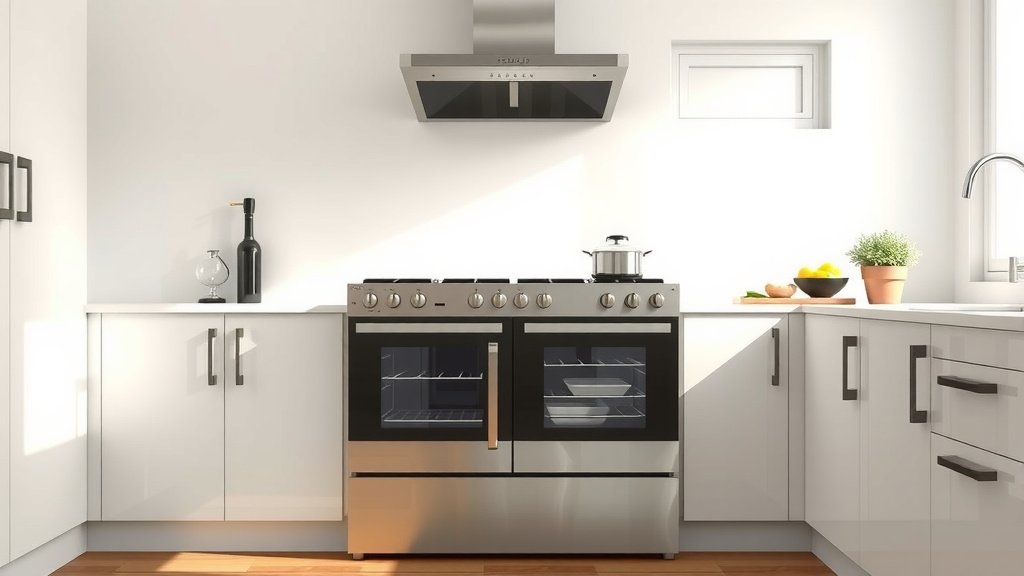
Cleaning a dual fuel oven requires a two-pronged approach, treating the gas cooktop with degreasers and the electric oven interior with methods like baking soda pastes or specialized oven cleaners.
Always ensure your appliance is completely cool and disconnected from power before you begin cleaning to maintain safety and prevent damage to your dual fuel range.
- Start by making sure your oven is cool and unplugged for safety.
- Remove grates and burner caps from the gas cooktop for separate cleaning.
- Use a degreaser on the cooktop surface to cut through grease and spills.
- For the electric oven, choose between natural solutions like baking soda or a commercial oven cleaner.
- Don’t forget to clean oven racks, the door glass, and the exterior for a complete refresh.
How To Clean A Dual Fuel Oven?
To effectively clean a dual fuel oven, you will tackle the gas cooktop and electric oven components separately, employing gentle yet powerful solutions tailored for each.
Always prioritize safety by ensuring the appliance is cool and disconnected before starting any cleaning task, as we consistently advise.
Prepare for Cleaning Day
Before you dive into the scrubbing, gathering your tools makes the job much smoother. Think of it like a chef preparing their ingredients before cooking.
Having everything ready means fewer interruptions and a more efficient cleaning session for your dual fuel appliance.
Gather Your Supplies
You’ll need a few common household items. We find that a good cleaning session starts with the right arsenal.
Here’s a simple list to get you started:
- Rubber gloves
- Dish soap
- Baking soda
- White vinegar
- Spray bottle
- Non-abrasive sponges or cloths
- Microfiber towels
- Optional: Commercial degreaser (for cooktop), commercial oven cleaner (for oven interior)
Safety First, Always
Before touching any part of your dual fuel oven, you must disconnect it from its power source. Unplug the electric cord and, if possible, turn off the gas supply.
Many experts say this is a critical first step to prevent accidental startups or electrical shocks (Appliance Safety Council).
Cleaning the Gas Cooktop
The gas cooktop of your dual fuel oven sees the most immediate spills and splatters. This section needs a strong degreasing approach.
You want to remove all the cooking residue without scratching the delicate surfaces.
Tackling Grates and Burner Caps
These parts often get the grimiest. Remove them carefully and place them in your sink.
We’ve found soaking them in hot, soapy water for about 15-30 minutes helps loosen tough, baked-on food.
For extra stubborn spots, some research suggests a paste of baking soda and a little water can work wonders before scrubbing (Household Cleaning Tips).
Cleaning the Cooktop Surface
After removing the grates, you’re left with the main cooktop surface. This is where grease loves to stick.
Spray a good quality degreaser or a solution of warm water and dish soap over the surface. Let it sit for a few minutes to break down the grease.
Then, wipe it clean with a soft cloth or sponge. For extra shine, a final wipe with a microfiber cloth dampened with white vinegar often helps.
Tackling the Electric Oven Interior
The oven interior can be a daunting task, filled with carbonized food bits and stubborn stains. You have a couple of main routes here.
Always remember, never use harsh abrasives on your oven’s interior, as this can damage the finish.
Manual Cleaning Methods
For a gentler, more natural approach, manual cleaning is your friend. This method takes a bit more elbow grease but avoids harsh chemicals.
It’s often recommended for ovens with self-cleaning features that you might not want to over-rely on (Consumer Reports).
Natural Cleaning Solutions
A simple paste of baking soda and water is highly effective. Mix about half a cup of baking soda with a few tablespoons of water to form a spreadable paste.
Spread this paste generously over the greasy areas inside the oven, avoiding heating elements and the fan. Let it sit for several hours, or even overnight.
When you return, the grime will be softened. You can then easily scrape it away with a plastic scraper and wipe clean with a damp cloth.
Commercial Oven Cleaners
If you prefer a faster, more aggressive approach, a commercial oven cleaner can be very useful. Always follow the product’s instructions carefully.
Many of these cleaners require good ventilation and gloves for safe use. They work by dissolving baked-on food, making wiping much easier.
Be sure to wipe out all residue thoroughly after use to prevent fumes when you next cook.
Don’t Forget Oven Racks
Oven racks can be soaked in a bathtub with hot water and a dishwasher tablet or even in a large utility sink. Let them sit for a few hours.
The grime often loosens and can be scrubbed off with a stiff brush or an old cloth. Rinse them well before placing them back in the oven.
Don’t Forget the Details
A truly clean dual fuel oven includes those often-overlooked spots. Paying attention to these areas makes a big difference in the overall appearance.
You’ll be surprised how much these small touches contribute to a sparkling finish.
Cleaning the Oven Door Glass
The inside of the oven door glass can collect splatters. For this, we’ve found that a baking soda paste works well, just like inside the oven.
Apply the paste, let it sit, then scrub with a non-abrasive sponge and wipe clean. For streaks on the outside, a glass cleaner or a vinegar solution works best.
Exterior Surfaces and Control Knobs
For the exterior, a damp microfiber cloth with a little dish soap is usually enough for daily wipe-downs. For stainless steel, follow the grain of the steel to avoid streaks.
Many experts suggest using a specialized stainless steel cleaner for a streak-free shine (Good Housekeeping Institute). Remove control knobs and wash them in warm, soapy water.
Table: Cleaning Methods at a Glance
| Area to Clean | Recommended Method | Pros | Cons |
|---|---|---|---|
| Gas Cooktop Grates & Burner Caps | Soak in hot soapy water; Baking soda paste for tough spots | Breaks down grease; natural option | Requires soaking time |
| Cooktop Surface | Degreaser or dish soap solution | Quickly cuts grease; effective | Degreasers can be harsh; requires rinsing |
| Electric Oven Interior (General) | Baking soda paste | Natural, non-toxic, effective | Requires long dwell time, more scrubbing |
| Electric Oven Interior (Heavy Duty) | Commercial oven cleaner | Very powerful, less scrubbing | Strong fumes, requires gloves and ventilation |
| Oven Racks | Soak in hot soapy water/dishwasher tablet | Loosens grime effectively | Needs a large basin or tub |
When to Call the Pros
Sometimes, a dual fuel oven needs a deeper clean than you can comfortably provide. If you have extreme buildup that isn’t budging, consider professional help.
They have specialized tools and stronger, industrial-grade cleaners that can restore your oven’s sparkle. This can save you time and effort.
Maintenance Tips for a Cleaner Oven
Keeping your dual fuel oven clean doesn’t have to be a monumental task every few months. Regular, small efforts go a long way.
Think of it like brushing your teeth daily versus waiting for a cavity.
Quick Wipe-Down Checklist:
- Wipe spills immediately after cooking (once the oven is cool).
- Clean cooktop after each use.
- Use oven liners or foil on the bottom rack to catch drips.
- Don’t let baked-on food sit for too long.
- Remove and wash control knobs regularly.
A little bit of consistent cleaning prevents major headaches later. Your dual fuel oven will thank you by performing better and looking great.
Conclusion
Cleaning your dual fuel oven effectively involves understanding its unique components: the gas cooktop and the electric oven. By tackling each section with appropriate methods, from degreasers for the cooktop to baking soda for the oven interior, you can achieve a sparkling clean.
Remember, safety is always your top priority. Disconnect the power, let it cool, and use the right tools for the job. Regular maintenance will keep your oven in prime condition, making those big cleaning days much less frequent and more manageable.
What is a dual fuel oven?
A dual fuel oven combines a gas cooktop with an electric oven. This setup offers the quick, precise heat control of gas burners for stovetop cooking and the even, consistent baking and roasting temperatures of an electric oven.
Can I use self-clean on a dual fuel oven?
Many dual fuel ovens do come with a self-cleaning feature for the electric oven portion. However, you should never use this feature with the gas cooktop grates, burner caps, or any non-oven-safe accessories inside. Always consult your specific oven’s manual for guidance.
Are there any parts of a dual fuel oven I should avoid cleaning with water?
You should generally avoid directly spraying large amounts of water near the ignition ports or electrical connections on your gas cooktop. For the electric oven, be cautious around the heating elements and fan opening. Always use a damp cloth rather than soaking these areas.
How often should I clean my dual fuel oven?
A light wipe-down of the cooktop after each use is ideal. For the oven interior, a deep clean every 3-6 months is generally recommended, depending on how often you cook and how many spills occur. Regular spot cleaning will reduce the need for intensive deep cleans.
What if my dual fuel oven has a strange smell after cleaning?
If you used a commercial oven cleaner, a slight chemical smell might linger for a few hours. This is usually normal. To dissipate it, you can run the oven at a low temperature (around 200°F) for 15-30 minutes with good ventilation, making sure the oven is empty. If the smell persists or is very strong, consult your appliance manual or a technician.
