
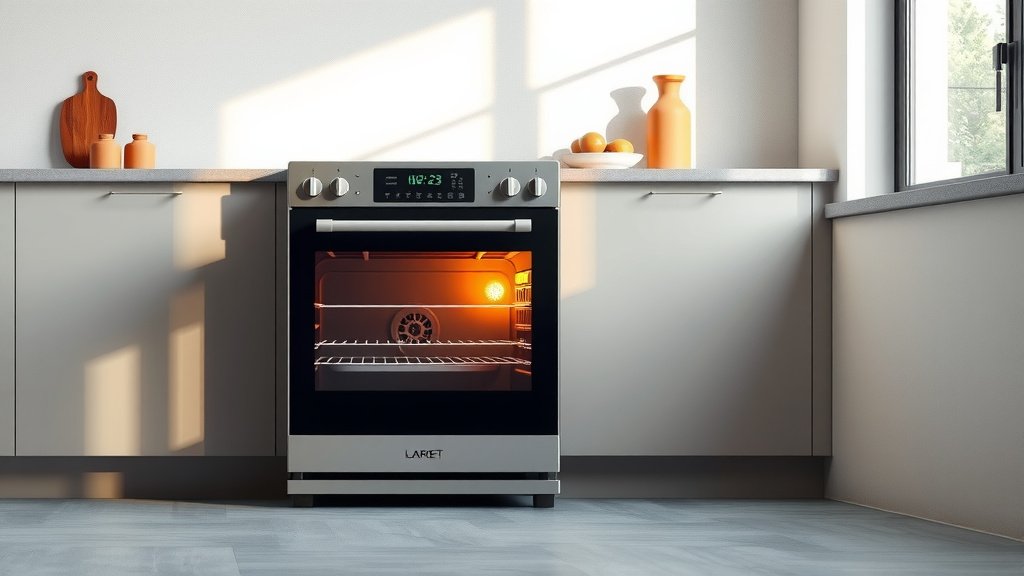
To troubleshoot a dual fuel oven, first check your power and gas supply, then reset the appliance. Look for common issues like igniter problems for gas elements or a faulty heating element for electric components.
You can often fix minor issues with a dual fuel oven by verifying the power source, checking the gas line, and cleaning igniters or burners before calling a professional.
- Start with basic checks: power, gas, and a quick reset.
- Identify the problem area: is it the gas stovetop, electric oven, or both?
- Inspect components like igniters, heating elements, and temperature sensors.
- Refer to your oven’s manual for specific error codes or unique features.
- Safety is paramount; disconnect power and gas before any detailed inspection.
How To Troubleshoot A Dual Fuel Oven?
Troubleshooting a dual fuel oven means systematically checking its gas and electric components when things go wrong. You’ll focus on the gas burners for the stovetop and the electric element for the oven section.
Understanding Your Dual Fuel Oven
A dual fuel oven combines the best of both worlds, offering a gas cooktop and an electric oven. This setup gives you precise control over stovetop cooking and even heat distribution for baking.
Knowing which part isn’t working—gas or electric—is your first step. Is your oven not heating, or are your stovetop burners refusing to light?
Safety First: Before You Start
Before touching anything, always prioritize your safety. Turn off the power to your oven at the circuit breaker. If you suspect a gas issue, also turn off the gas supply valve.
Many experts say that safety precautions prevent accidents (Mayo Clinic). Never work on a live appliance.
Initial Checks for Any Issue
Let’s start with the basics. These steps can often solve simple problems without deeper investigation. It’s like checking if your computer is plugged in before calling tech support, right?
Check Power and Gas Supply
Is your oven plugged in firmly? Has a circuit breaker tripped? For gas issues, ensure the gas valve behind the oven is fully open and there isn’t a wider gas outage in your area.
Perform a Hard Reset
Sometimes, a simple reset can clear glitches. Turn off the power at the breaker for a few minutes, then turn it back on. This is often called a “hard reset” and can refresh the oven’s control board.
Troubleshooting the Gas Cooktop Burners
If your stovetop burners aren’t working, here are some common reasons we found.
Igniter Not Sparking
Can you hear clicking, but no flame? Your igniter might be dirty or wet. Make sure the burner caps are placed correctly and the ports are clear.
We found that food debris is a common culprit for blocked igniters. Gently clean the igniter with a dry toothbrush.
Weak or No Gas Flow
If you have no flame and no smell of gas, check your gas supply. Perhaps the valve is partly closed or there’s an issue with the gas line itself. Some research points to sediment blocking gas lines over time.
Spark Module Issues
If multiple burners aren’t sparking, the spark module might be faulty. This component creates the spark for all burners. It’s a less common problem, but one to consider.
Troubleshooting the Electric Oven Section
When your oven isn’t heating or baking unevenly, the electric components are usually to blame.
Oven Not Heating At All
If your oven light is on but there’s no heat, the heating element might be bad. Visually inspect the bake and broil elements. Do you see any visible breaks or scorch marks?
A faulty heating element often shows as a split or blistered area (NIH). This is a clear sign it needs replacement.
Uneven Baking Temperatures
If your cookies are burning on one side but raw on the other, your temperature sensor or thermostat could be off. The sensor, often a small rod inside the oven, tells the oven when to turn elements on or off.
Research often connects inaccurate temperature readings to a failing sensor (Consumer Reports).
Convection Fan Problems
Does your dual fuel oven have a convection feature? If it’s noisy or not turning, food will cook unevenly. Listen for unusual grinding noises or observe if the fan spins freely.
Dealing with Error Codes
Modern ovens often display error codes. These codes are like secret messages telling you exactly what’s wrong. Consult your oven’s user manual.
Many guidelines point to checking the manual first for error code explanations (Appliance Repair Guides). It’s your best friend here.
When to Consider Professional Help
While DIY troubleshooting can save you money, know your limits. If you’re dealing with gas leaks, electrical wiring, or simply can’t identify the problem, it’s time to call in a professional.
Working with gas or high-voltage electricity can be dangerous if you don’t have the proper training. A little help from an expert can save you lots of headaches.
Quick Troubleshooting Checklist
- Is the oven plugged in securely?
- Is the circuit breaker for the oven tripped?
- Is the gas supply valve fully open?
- Are burner caps positioned correctly and clean?
- Do you see visible damage to the heating elements?
- Did you try a hard reset of the appliance?
Common Symptoms and Potential Fixes
| Symptom | Possible Cause | Simple Fix |
|---|---|---|
| Gas burner won’t light | Dirty igniter, no gas flow | Clean igniter, check gas valve |
| Electric oven not heating | Faulty heating element | Inspect element for damage |
| Uneven oven temperature | Bad temp sensor, convection fan | Check sensor placement, fan operation |
| Oven display blank | Power issue, control board | Check breaker, hard reset |
| Smell of gas (no flame) | Gas leak, loose connection | Turn off gas, call professional IMMEDIATELY |
Conclusion
Troubleshooting a dual fuel oven often involves a mix of basic checks and a little detective work. By systematically checking power, gas, and specific components, you can often identify and fix common issues yourself. Remember, safety is always your top priority. Don’t hesitate to contact a qualified technician if you’re uncomfortable or unsure about any step.
How do I know if my dual fuel oven’s igniter is bad?
If you hear clicking but no flame, or if the flame is weak and inconsistent after a few seconds, your igniter may be failing. You might also notice a gas smell without ignition.
What should I do if my electric oven keeps tripping the circuit breaker?
A tripped breaker often points to a short circuit or an overloaded circuit. Stop using the oven and check for visible damage to heating elements or wiring. If nothing is obvious, call an electrician.
Can a dirty oven cause uneven heating?
Yes, a very dirty oven with accumulated grease and food debris can sometimes affect heat distribution by blocking vents or even altering how the heat reflects. A good cleaning is always a wise step.
How often should I clean my dual fuel oven’s gas burners?
We found that cleaning burner parts regularly, perhaps every few months or whenever spills occur, helps maintain proper ignition and flame quality. Always ensure parts are completely dry before reassembling.
Is it normal for a new dual fuel oven to smell during the first few uses?
Yes, it’s quite normal for a new oven to emit a burning smell during the first few uses. This is usually due to the “burn-off” of manufacturing oils and coatings. Many experts recommend running the oven empty at a high temperature for an hour or two with good ventilation.
