
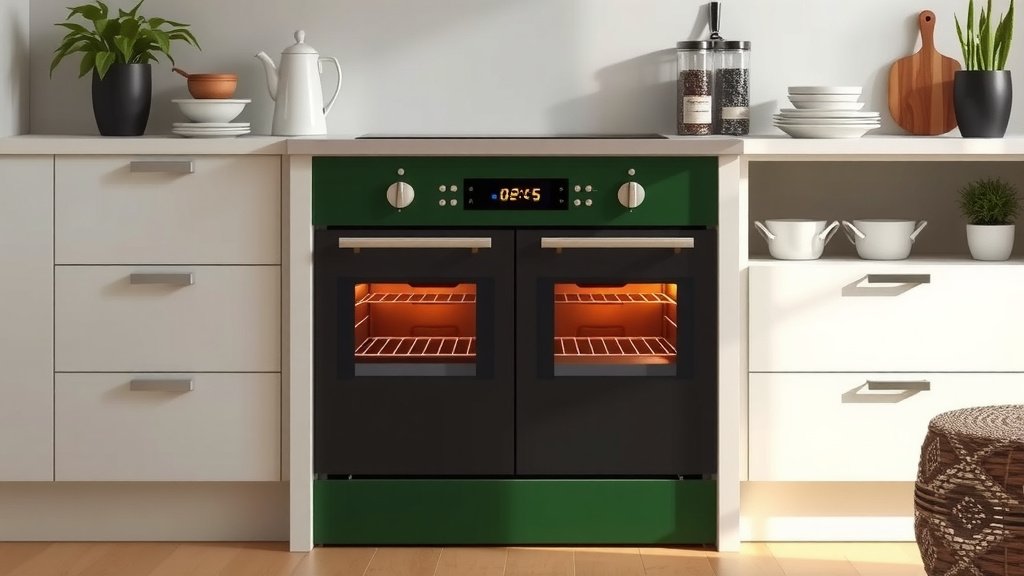
A dual fuel oven combines a gas cooktop with an electric oven, allowing the electric oven to typically reach temperatures between 150°F and 550°F (65°C to 288°C), just like most conventional electric ovens.
This setup leverages the precise, dry heat of an electric element for baking and roasting, often offering very consistent temperatures for excellent cooking results.
- Dual fuel ovens marry the best of both worlds: a gas cooktop and an electric oven.
- Expect your electric oven cavity to reach standard baking and roasting temperatures, usually up to 550°F (288°C).
- The electric element delivers consistent, even heat, perfect for delicate pastries or a perfectly roasted chicken.
- Gas cooktops offer instant heat adjustment and high power for searing and stir-frying.
- Understanding your oven’s max temperature helps you plan meals and get the most from your appliance.
How Hot Does A Dual Fuel Oven Get?
When you talk about how hot a dual fuel oven gets, you are mainly focusing on its electric oven component. These ovens generally achieve temperatures from about 150°F to 550°F (65°C to 288°C).
This range is very similar to what you would find in a standalone electric oven. It provides all the heat you need for baking, roasting, and broiling.
Understanding the Dual Fuel Advantage
Many home cooks adore dual fuel ovens. Why? You get the immediate flame control of a gas cooktop, fantastic for high-heat searing or gentle simmering. Then, you also get the consistent, even heat of an electric oven. We found that this combination often means better results for many dishes (Consumer Reports).
Gas Cooktop: Instant Heat
The gas burners on top light up instantly. You can go from a low simmer to a roaring boil with a quick turn of a knob. This responsiveness is a game-changer for stovetop cooking.
Imagine searing a steak or quickly stir-frying vegetables. The gas cooktop makes these tasks effortless. It’s all about rapid temperature adjustments.
Electric Oven: Steady Performance
The electric oven, on the other hand, heats up steadily. It provides a dry, consistent heat that surrounds your food. This makes it a star for baking delicate cakes or roasting large cuts of meat.
Many experts say electric ovens tend to offer more precise temperature control. This leads to more predictable baking and roasting outcomes (Food Network Kitchen). No more worrying about hot spots!
What Influences Oven Temperature?
Several factors can affect how hot your oven feels inside. Even with precise controls, things can vary a little. Let’s look at a few common ones.
Calibration and Accuracy
Just like a finely tuned instrument, your oven needs to be calibrated. Over time, or with new installations, the temperature might be slightly off. Have you ever noticed your cookies browning unevenly?
Checking your oven’s accuracy with an oven thermometer is a smart move. Many professional chefs recommend this simple step. It helps you know if your oven is truly hitting the temperature you set.
Preheating Properly
We’ve all been tempted to pop food in before the preheat indicator dings. But resist! Proper preheating allows the oven cavity to reach and stabilize its temperature. This includes the walls and racks.
Skipping this step can mean inconsistent cooking. Your food might take longer or cook unevenly. Think of it like a marathon runner needing a warm-up.
Convection Features
Does your dual fuel oven have a convection setting? Many do! Convection uses a fan to circulate hot air throughout the oven. This can cook food faster and more evenly.
When using convection, you often reduce the set temperature by about 25°F (15°C). It speeds up cooking but doesn’t necessarily make the maximum temperature higher. It just distributes the heat better.
Common Oven Temperature Ranges Explained
Let’s talk about what different temperatures are good for. Knowing this helps you maximize your dual fuel oven.
| Temperature Range | Typical Uses | Cooking Benefits |
|---|---|---|
| 150°F – 250°F (65°C – 121°C) | Keeping food warm, slow cooking, dehydrating | Gentle heat, prevents overcooking, retains moisture |
| 275°F – 350°F (135°C – 177°C) | Slow roasting, baking custards, casseroles | Even cooking, tender results, good for delicate items |
| 375°F – 425°F (190°C – 218°C) | Roasting vegetables, baking cakes, cookies, poultry | Crispy exteriors, cooked centers, golden brown finish |
| 450°F – 550°F (232°C – 288°C) | Broiling, pizza, searing meats, crusty breads | High heat for rapid cooking, browning, caramelization |
Maximum Temperature for Baking
Most recipes for baking cakes, cookies, or breads fall into the 325°F to 425°F (160°C to 218°C) range. Your dual fuel oven handles these temperatures with ease. The electric oven ensures even heat for a perfect rise.
High Heat for Roasting and Broiling
For crispy roasted potatoes or a perfectly seared steak under the broiler, you’ll be pushing closer to the oven’s maximum. Temperatures from 450°F to 550°F (232°C to 288°C) are fantastic for achieving that desirable browning and crust.
Remember, your broiler often uses a dedicated element at the top. It delivers intense, direct heat for quick finishing.
Getting the Most From Your Dual Fuel Oven
Your dual fuel oven is a versatile kitchen powerhouse. Here are a few tips to make sure you’re always getting optimal performance. Think of these as little tweaks for big improvements.
- Use an Oven Thermometer: This is your best friend for verifying internal oven temperature.
- Preheat Fully: Give your oven ample time to reach and stabilize the set temperature.
- Keep it Clean: Spills and grease can affect heating efficiency. A clean oven performs better.
- Check Door Seals: A worn or damaged door seal can let heat escape, affecting temperature.
- Don’t Overcrowd: Air needs to circulate around your food for even cooking.
- Trust Your Instincts: Recipes are guidelines. Adjust cooking times based on how your food looks and smells.
Cleaning for Optimal Heat
A clean oven isn’t just for looks. Burnt-on food or grease can absorb heat, affecting how evenly your oven cooks. We found that regular cleaning helps maintain consistent temperatures inside (Good Housekeeping Institute).
Many modern dual fuel ovens have self-cleaning cycles. This feature makes maintenance much easier. Just follow the manufacturer’s instructions carefully.
Conclusion
So, how hot does a dual fuel oven get? Its electric oven section reliably reaches the same high temperatures as standard electric models, typically between 150°F and 550°F (65°C to 288°C). This gives you ample heat for all your baking, roasting, and broiling needs.
The true magic of a dual fuel appliance lies in its ability to combine the quick, powerful control of a gas cooktop with the steady, precise heat of an electric oven. It’s a fantastic choice for anyone who loves cooking and wants the best of both heating worlds.
With proper care and understanding, your dual fuel oven will be a reliable partner in the kitchen, helping you create delicious meals for years to come. Enjoy cooking!
What is the highest temperature a dual fuel oven can reach?
Most dual fuel ovens, specifically their electric oven cavity, can reach a maximum temperature of about 550°F (288°C) for tasks like broiling or cooking pizza at very high heat.
Are dual fuel ovens better for baking than all-gas ovens?
Many experts and home bakers agree that electric ovens, as found in dual fuel setups, often provide more consistent and dry heat than all-gas ovens. This can result in more even baking and better browning for items like cakes, cookies, and pastries.
Does the gas cooktop influence the oven temperature?
No, the gas cooktop and electric oven operate independently. The gas burners on top do not directly affect the internal temperature of the electric oven below. They are separate heating systems.
How do I know if my dual fuel oven is heating accurately?
The best way to check your oven’s accuracy is to place an oven-safe thermometer inside the oven and compare its reading to the set temperature. If there’s a significant difference, your oven might need calibration.
Can I use a dual fuel oven for high-temperature cooking like pizza?
Yes, absolutely! The electric oven in a dual fuel range is well-suited for high-temperature cooking. Its ability to reach 500°F to 550°F (260°C to 288°C) makes it great for achieving crispy crusts on pizzas and quickly roasting vegetables.
