
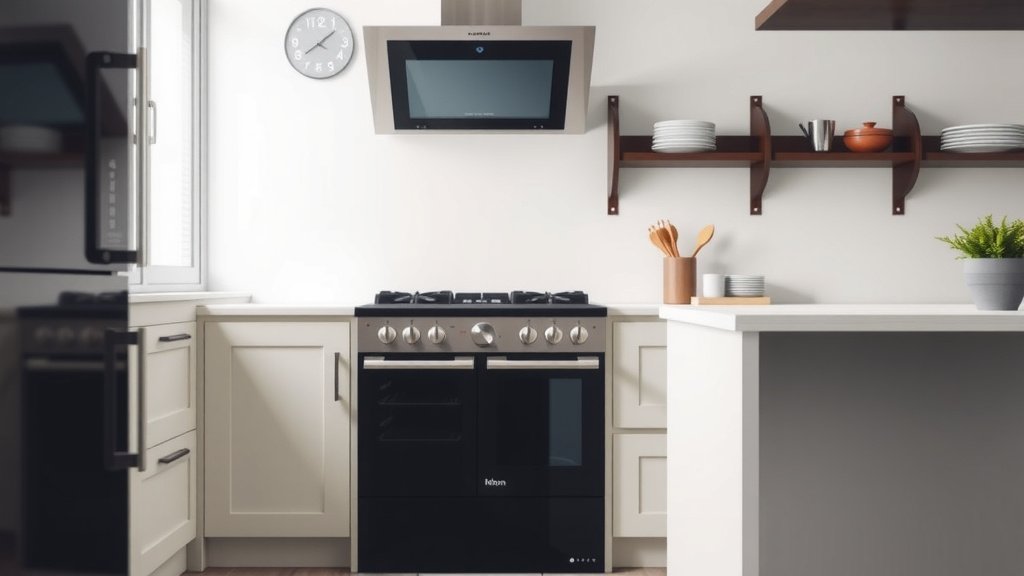
Yes, a dual fuel oven typically needs a separate dedicated gas line to power its gas cooktop, alongside an electrical connection for the electric oven.
While the electric oven plugs into a standard or specialized outlet, the gas burners require a direct and properly installed natural gas or propane supply.
- Dual fuel ovens marry a gas cooktop with an electric oven.
- You absolutely need both a dedicated gas line and an electrical outlet for them.
- Professional installation is crucial for your safety and to meet building codes.
- Proper gas line sizing and adequate ventilation are important considerations.
- Factor in potential installation costs, which might involve extending existing lines.
Does Dual Fuel Oven Need Separate Gas Line?
Absolutely, a dual fuel oven requires a dedicated gas line for its cooktop and a separate electrical connection for the oven itself.
You are essentially installing two appliances in one, each with its own power source requirements.
Understanding Dual Fuel Ovens
Think of a dual fuel oven as the best of both worlds. You get the instant heat and precise control of gas burners on top.
Below, you have the consistent, even heating of an electric oven, which many bakers prefer for roasting and baking (Food Network).
Why Two Power Sources?
It boils down to what each fuel does best. Gas offers quick on-and-off heat for your stovetop cooking.
Electricity in the oven creates a dry, steady heat perfect for everything from cookies to roasts, making it a versatile cooking machine.
The Gas Line Requirement
For the gas cooktop section of your dual fuel range, a dedicated gas line is non-negotiable. This line supplies either natural gas or propane.
It’s important that this gas line is properly sized and installed according to local codes (National Fire Protection Association).
What if You Don’t Have a Gas Line?
If your kitchen lacks a gas line, installing one is a significant part of the process. This involves running a new line from your main gas supply.
We found that this usually requires professional work by a licensed plumber or gas fitter, which adds to the overall cost.
The Electrical Connection Requirement
Beyond the gas line, your dual fuel oven also needs a proper electrical outlet. Electric ovens often need a dedicated 240-volt circuit, not a standard wall outlet.
This higher voltage provides enough power for the oven’s heating elements to work efficiently and safely.
Dedicated Circuit Importance
Using a dedicated circuit prevents overloading your home’s electrical system. Many experts agree it helps avoid tripped breakers and potential fire hazards (Underwriters Laboratories).
A standard 120-volt outlet simply won’t supply enough power for an electric oven.
Installation: A Job for Professionals
Installing a dual fuel oven isn’t a DIY project for most homeowners. Handling gas lines and high-voltage electricity requires expertise.
A certified professional ensures that your oven is installed safely and meets all local building codes.
Here’s why you should call in the pros:
- They know local gas and electrical codes inside out.
- They can properly size and route gas lines without leaks.
- They’ll ensure the correct electrical wiring and breaker are used.
- Professionals have the right tools and safety equipment.
- They can test for leaks and verify safe operation post-installation.
Planning for Your Dual Fuel Oven
Before you even pick out your oven, check your kitchen’s infrastructure. Do you have a gas line nearby? Is there a 240-volt outlet?
If not, you’ll need to budget for these electrical and gas line upgrades (Consumer Reports).
Sizing the Gas Line
The size of your gas line matters. An undersized line won’t deliver enough gas to the burners, impacting performance. A professional will calculate the correct size.
They consider the oven’s BTU rating and the distance from your main gas supply to ensure proper flow.
Cost Considerations for Installation
The cost of installing a dual fuel oven can vary widely. If you already have both a gas line and a 240-volt outlet, installation is simpler and cheaper.
However, if new lines or electrical work are needed, the price can increase significantly. Always get a few quotes.
| Installation Factor | Description | Typical Impact on Cost |
|---|---|---|
| Existing Gas Line | Gas line already present and properly sized. | Minimal (connection only) |
| New Gas Line Install | No existing gas line; needs to be run. | Moderate to High |
| Existing 240V Outlet | Dedicated 240-volt outlet available. | Minimal (connection only) |
| New 240V Outlet Install | Requires new dedicated 240-volt circuit and outlet. | Moderate to High |
| Ventilation Upgrades | If existing vent hood is inadequate. | Variable |
Ensuring Proper Ventilation
Whether you’re using gas or electric, good ventilation is always important in a kitchen. Gas cooktops, in particular, produce combustion byproducts.
Many building codes and safety guidelines suggest a range hood that vents to the outside to remove smoke, grease, and gases (ASHRAE).
Checklist for Your Dual Fuel Oven Project
Ready to bring a dual fuel oven into your kitchen? Here’s a quick checklist to guide you:
- Check for a Gas Line: Confirm if you have a natural gas or propane line.
- Verify 240V Outlet: Make sure a dedicated 240-volt electrical outlet exists.
- Measure Your Space: Ensure the new oven fits your cabinet opening.
- Assess Ventilation: Do you have a proper, adequately sized range hood?
- Call Professionals: Plan to hire licensed gas and electrical technicians.
- Budget for Upgrades: Factor in costs for any necessary line extensions or electrical work.
Comparing Dual Fuel to Other Oven Types
Understanding dual fuel needs helps when comparing it to other options. A purely electric oven only needs the 240-volt outlet.
A full gas range needs only a gas line and a standard 120-volt outlet for its igniter and clock. Dual fuel uniquely needs both major hookups.
Your Kitchen, Your Choice
Ultimately, the decision to go dual fuel is yours. Many home chefs adore the combination for its performance benefits.
Just remember that the initial setup might be a bit more involved, but the cooking experience can be truly rewarding.
Conclusion
So, does a dual fuel oven need a separate gas line? Yes, it absolutely does for its cooktop, alongside a dedicated 240-volt electrical connection for the oven.
This setup provides the best of both cooking worlds but requires careful planning and professional installation to ensure safety and compliance.
While the initial setup can involve more steps and costs, the long-term benefits of precise gas cooking and consistent electric baking are well worth considering.
Always prioritize safety and consult certified technicians for any gas or electrical work in your home.
What is the main benefit of a dual fuel oven?
The main benefit is combining the rapid heating and fine control of a gas cooktop with the even, consistent baking and roasting performance of an electric oven, offering superior versatility for various cooking tasks.
Can I convert a regular gas oven to dual fuel?
No, you cannot convert a regular gas oven into a dual fuel model. Dual fuel ovens are designed from the factory with distinct gas and electric components that require separate power inputs. You would need to purchase a new dual fuel appliance.
Are dual fuel ovens more expensive to run?
The running cost varies. Electricity tends to be more expensive per unit than natural gas in many areas, so the electric oven part might cost more to operate than an equivalent gas oven. However, efficiency and local utility rates play a big role.
What kind of electrical outlet does a dual fuel oven need?
A dual fuel oven typically requires a dedicated 240-volt electrical outlet, similar to what a purely electric oven or clothes dryer would use. A standard 120-volt outlet is not sufficient for the oven’s heating elements.
Is professional installation mandatory for a dual fuel oven?
While not always legally “mandatory” in every region for homeowners, professional installation is strongly recommended and often required by appliance warranties and insurance policies. Working with gas lines and high-voltage electricity carries significant safety risks if not done correctly.
