
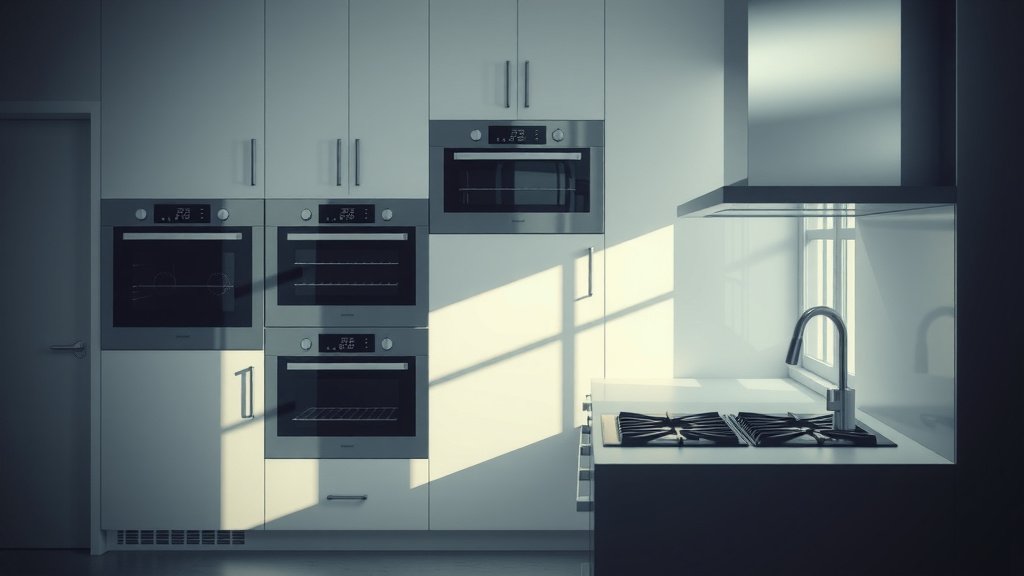
Generally, a convection oven cooks the fastest because its fan circulates hot air, reducing cooking times by up to 25% compared to conventional ovens.
For reheating small portions or specific items like popcorn, a microwave oven offers the quickest cooking solution.
- For overall cooking of meals, convection ovens are your fastest bet due to forced air circulation.
- When you need to reheat leftovers or cook small, specific items in a flash, a microwave is unbeatable for speed.
- Air fryers offer quick results for crispy foods in smaller batches, much like a mini convection oven.
- Conventional ovens are reliable but will always be slower than their convection counterparts.
- The best “fast” oven depends on what you are cooking and how much time you have.
Which Oven Type Cooks The Fastest?
You want to get dinner on the table, right? Or maybe warm up a snack quickly. The truth is, the fastest oven type often depends on what you’re cooking.
But for general baking and roasting, convection ovens typically win the speed race.
The Speed Demons: Convection Ovens
Ever wonder why your food cooks so evenly and quickly at some restaurants? Many use convection ovens. These ovens feature a fan and exhaust system that circulates hot air throughout the cavity.
This constant air movement helps food cook faster and more evenly. Research shows convection can cut cooking times by 15-25% compared to traditional ovens (Energy Star).
This means your roast chicken or batch of cookies will be ready sooner. Plus, you often don’t need to preheat as long, or sometimes at all for certain dishes.
Microwave Ovens: The Instant Solution
When you talk about pure speed, especially for reheating or cooking very specific items, the microwave is king. You can heat up soup or leftover pasta in minutes, sometimes even seconds.
Microwaves use electromagnetic radiation to excite water molecules within your food. This creates heat very quickly. While not suitable for baking a cake, it’s unbeatable for immediate warmth.
Air Fryers: Speedy & Crispy
Think of an air fryer as a compact convection oven. It uses a heating element and a powerful fan to circulate extremely hot air around your food at high speed. This creates a crispy, fried texture with less oil.
Air fryers preheat rapidly and cook smaller portions very quickly. For things like chicken wings, fries, or roasted vegetables, they offer a significantly faster cooking time than a full-sized conventional oven.
Conventional Ovens: The Reliable Steady Cooker
Your standard conventional oven uses heating elements to warm the air inside. There’s no fan to circulate the heat, so cooking relies on radiant heat and natural convection currents.
These ovens are fantastic for many dishes, but they are generally slower. They take longer to preheat and cooking times are longer. If you’re not in a rush, a conventional oven does a fine job, just not a fast one.
Toaster Ovens: Quick for Small Bites
A toaster oven is essentially a mini conventional oven. It’s great for quickly toasting bread, warming up a slice of pizza, or cooking a couple of cookies.
Because of their small size, they preheat faster than a full-sized oven. This makes them a speedy choice for small tasks, saving you from heating up your big oven for a single item.
Comparing Oven Speeds at a Glance
Let’s look at how different oven types stack up in terms of speed and what they are best for.
| Oven Type | Speed Factor | Best For |
|---|---|---|
| Convection Oven | Very Fast (15-25% faster) | Roasting, baking, large meals |
| Microwave Oven | Extremely Fast | Reheating, defrosting, quick cooking of specific items |
| Air Fryer | Fast | Small batches, crispy foods, snacks |
| Toaster Oven | Moderately Fast | Small items, toasting, warming leftovers |
| Conventional Oven | Standard Speed | General baking, slow roasting, large casseroles |
Why Does Oven Speed Matter to You?
In our busy lives, every minute counts. A faster oven means you can enjoy more time with family, get to your other tasks, or just relax. It also means less waiting when hunger strikes!
Many experts say that choosing the right tool for the job makes all the difference (Consumer Reports). For cooking, this often means considering speed.
Factors That Influence Cooking Speed
Even with the “fastest” oven, other things impact how quickly your food cooks.
- Food Density: Thicker, denser foods take longer, no matter the oven.
- Starting Temperature: Room temperature food cooks faster than frozen food.
- Oven Temperature: Higher temperatures generally mean faster cooking, but not always better results.
- Dish Material: Darker pans absorb more heat, often speeding up cooking slightly.
- Preheating: A properly preheated oven starts cooking immediately, unlike a cold one.
Choosing Your Fastest Cooking Companion
Are you looking for an oven that preheats quickly? Or one that cooks a whole meal in less time? Your kitchen setup and cooking habits play a big role.
Many households benefit from having a mix of oven types. A microwave for instant gratification and a convection oven for serious cooking make a great team, we found.
Checklist for a Speedy Cooking Experience
Thinking about how to speed up your meal prep? Consider this simple checklist:
- Do you cook large meals often? A convection oven might be ideal.
- Do you rely on reheating leftovers? A powerful microwave is a must.
- Are you a fan of crispy snacks without deep frying? An air fryer could be your hero.
- Do you need quick toast or mini pizzas? A toaster oven saves the day.
- Do you often cook from frozen? Consider quicker defrosting methods first.
Tips for Faster Cooking, No Matter Your Oven
Even if you don’t have the “fastest” oven, there are still ways to shave off some time. We found these practical solutions:
Preheat Properly: Always let your oven reach the set temperature before putting food in. This makes a big difference in final cook times.
Cut Food Smaller: Smaller pieces of food cook faster. Think about dicing vegetables instead of keeping them in large chunks. This is a simple trick but highly effective for quicker results.
Don’t Crowd the Oven: Air needs to circulate, especially in a convection oven. Overcrowding blocks airflow and slows down cooking (USDA).
Use Oven-Safe Dishes: Make sure your bakeware is appropriate for the oven. Glass and dark metal pans tend to heat up faster than light-colored ones.
Plan Ahead: Thawing frozen items in advance saves a huge amount of oven time. Even just moving something from the freezer to the fridge the night before helps a lot.
Conclusion
When you ask which oven cooks the fastest, the answer often points to convection ovens for general cooking and microwaves for quick reheating. Air fryers offer a speedy option for specific crispy foods. Your choice truly depends on your specific needs and what kind of meals you are whipping up.
Understanding these differences helps you choose the right tool to get your food ready faster. So, next time you’re short on time, you’ll know exactly which oven to turn to for speed and efficiency.
What is the main advantage of a convection oven for speed?
The main advantage of a convection oven for speed is its fan, which circulates hot air evenly. This constant airflow transfers heat more efficiently to your food, resulting in quicker cooking times and often more uniform results.
Can I use an air fryer instead of a conventional oven for everything?
While air fryers are fast and efficient for many foods, they typically have a smaller capacity than conventional ovens. They excel at crispy items and smaller portions but are not ideal for baking large cakes or roasting a whole turkey.
Does preheating always take the same amount of time?
No, preheating times vary. Smaller ovens like toaster ovens preheat much faster than full-sized conventional or convection ovens. Factors like oven size, heating element power, and initial room temperature also play a role.
Are microwave ovens energy-efficient for everyday cooking?
Microwave ovens are very energy-efficient for tasks like reheating leftovers or cooking small items. They only heat the food itself, not the air around it. For these quick jobs, they use significantly less energy than a conventional oven would.
Should I adjust recipes when cooking in a convection oven?
Yes, it is often recommended to adjust recipes when using a convection oven. You might need to lower the temperature by about 25 degrees Fahrenheit or reduce the cooking time by 15-25% to prevent overcooking, as convection cooks faster and more intensely.
