
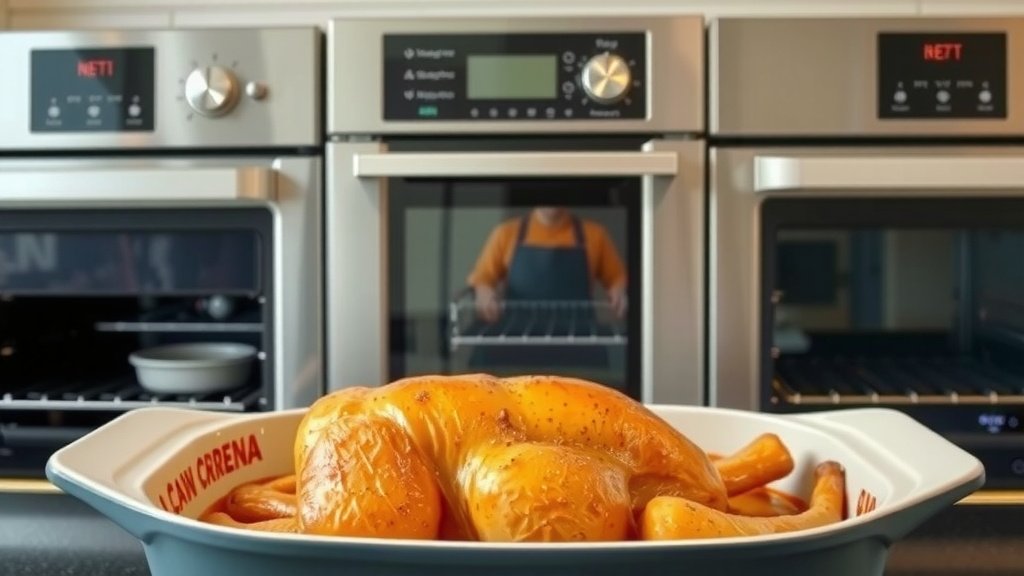
A steam oven generally retains the most food moisture thanks to its consistent, humid cooking environment.
Convection ovens also retain moisture well, especially when you use proper techniques like covering dishes or reducing cooking temperatures.
Here’s a quick look at what we’ll cover to help you keep your food wonderfully juicy:
- Steam ovens are champions for moisture retention.
- Convection ovens can achieve great moisture with smart usage.
- Conventional ovens need a little more help to prevent dryness.
- Slow cookers and Dutch ovens excel at long, moist cooking.
- Simple tips and tricks can boost juiciness in any oven.
Which Oven Type Retains Most Food Moisture?
Steam ovens are the top contender for keeping food juicy and delicious. They introduce moisture directly into the cooking environment.
Understanding Moisture in Cooking
Ever wondered why some dishes dry out and others stay perfectly succulent? It often comes down to moisture loss during cooking.
High, dry heat can pull moisture right out of your food. We want to keep that precious liquid inside for the best taste and texture.
The Science of Juiciness
When food cooks, water molecules naturally try to escape into the air. An oven that limits this escape helps keep your meal tender and flavorful (Food Science Review).
The King of Juiciness: Steam Ovens
If retaining moisture is your main goal, a steam oven is your best friend. These appliances truly enhance your cooking results.
They cook by generating steam, surrounding your food with a moist, hot environment. This means less internal moisture evaporates from your dishes.
How Steam Ovens Work Wonders
Steam ovens use a dedicated water reservoir to create pure steam. This steam then transfers heat efficiently to your food, gently cooking it.
Many experts point out that steam cooking prevents the surface of food from drying out, even at higher cooking temperatures.
Benefits Beyond Moisture
You’ll also find that food cooked with steam often retains more nutrients and vibrant colors. It’s a fantastic way to cook for health and taste.
Convection Ovens: A Strong Contender
Convection ovens also do a good job with moisture, but they use a different approach. They circulate hot air around your food using fans.
This even heat distribution helps cook food faster and can prevent some dryness if you use it correctly.
Tips for Moist Convection Cooking
When using a convection oven, you might want to lower the temperature slightly and reduce cooking time. This small change prevents over-drying.
Using covers or adding a pan of water can also boost moisture. We found these simple tricks make a real difference in the outcome of your meals.
Conventional Ovens: The Traditional Choice
Your standard conventional oven uses radiant heat. This means the heat comes from elements at the top and bottom of the oven.
It’s generally less efficient at retaining moisture compared to steam or convection models. You often need to take extra steps to keep things juicy.
Boosting Moisture in Conventional Ovens
You can still achieve moist results in a conventional oven! Try covering dishes with foil or a tight-fitting lid. A Dutch oven is a particularly great tool here.
Basting and using brines or marinades are also excellent strategies. These add moisture before and during the cooking process.
Other Oven Types and Their Moisture Magic
Slow Cookers and Dutch Ovens
For dishes needing very long cook times, slow cookers and Dutch ovens truly shine. They create a sealed, moist cooking environment.
The low and slow cooking process breaks down tough fibers while trapping all the delicious juices. Think tender stews and pot roasts.
Advantages of Slow Cooking
These methods are fantastic for tenderizing meats and keeping them incredibly moist. They are specifically designed for preventing liquid evaporation.
Which Oven is Right for Your Moist Meals?
Let’s look at a quick comparison to help you decide which oven might suit your moisture-retention needs best. What’s most important to you?
| Oven Type | Moisture Retention | Best For |
|---|---|---|
| Steam Oven | Excellent | Vegetables, fish, chicken, delicate baked goods |
| Convection Oven | Good (with proper technique) | Roasts, poultry, baked goods, casseroles |
| Conventional Oven | Fair (needs extra steps) | Everyday cooking, baking, roasting |
| Slow Cooker / Dutch Oven | Excellent (for long cooks) | Stews, braises, pot roasts, chilis |
Practical Steps to Keep Food Juicy
No matter your oven type, you can always take steps to maximize juiciness. A little effort goes a long way towards perfect results!
Your Moisture Retention Checklist
- Choose appropriate cooking temperatures; avoid excessively high heat.
- Use lids or foil to trap steam and juices during cooking.
- Brine or marinate meats before cooking; this adds internal moisture.
- Don’t overcrowd your oven; allow proper air circulation around your food.
- Let cooked meat rest before slicing; this allows juices to redistribute.
- Consider adding moisture with broth, wine, or water in the cooking pan.
Conclusion
When you want to keep your food wonderfully moist, steam ovens lead the pack. They excel at infusing dishes with crucial moisture, ensuring tender results.
However, convection ovens offer a strong alternative, especially with a few smart techniques. Even conventional ovens can deliver juicy results with the right care and attention.
Ultimately, understanding your oven and applying simple tips will help you create delicious, succulent meals every time. Happy cooking!
Frequently Asked Questions
How can I make chicken more moist in any oven?
Brining chicken before cooking helps a lot by locking in moisture and adding flavor. You can also cover it with foil for most of the cooking time, removing it only to crisp the skin in the last few minutes (Food Safety and Inspection Service).
Does adding water to the bottom of the oven help retain moisture?
Yes, adding a pan of water to the bottom of a conventional or convection oven can introduce steam, which helps keep food from drying out. This technique is especially useful for baking bread or roasting meats.
Is a combi-steam oven better than a regular steam oven for moisture?
A combi-steam oven combines both steam and convection functions, offering great versatility. Many chefs find that combi-steam ovens offer the best of both worlds, providing superior moisture retention with the added benefit of browning and crisping capabilities.
Why does food dry out in a microwave compared to an oven?
Microwaves cook food by exciting water molecules, often unevenly, which can lead to localized superheating and rapid moisture loss. Ovens typically cook more gently and evenly, allowing for better moisture management and less drying.
Can covering food with parchment paper instead of foil help with moisture?
Parchment paper allows for some steam to escape while still protecting the food from direct, harsh heat. Foil creates a tighter seal, trapping more moisture within the dish. Choose based on how much moisture you want to retain and if browning is desired for your recipe.
