
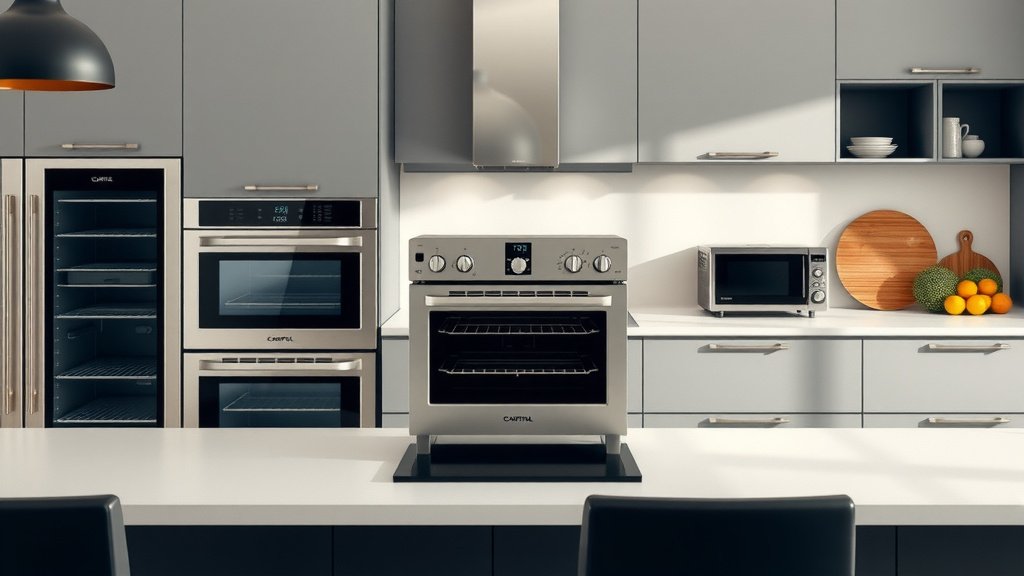
When choosing which oven is safest for your home, electric ovens often present fewer direct risks like gas leaks or open flames compared to gas models, making them a popular choice for many families.
The safest oven ultimately comes down to proper installation, consistent maintenance, and careful use, regardless of its power source.
- The safest oven is one that is properly installed and maintained.
- Electric ovens generally pose fewer combustion risks than gas ovens.
- Always prioritize ovens with modern safety features like auto-shutoff.
- Regular cleaning and good ventilation are key for any oven’s safety.
- User habits, like never leaving cooking unattended, play a big role in oven safety.
Which Oven Is Safest For Home Use?
Choosing the safest oven for your home often brings up many questions. We found that electric ovens generally offer a simpler safety profile because they lack an open flame and the risk of gas leaks.
Many experts agree that modern electric ovens are a top contender for home safety, especially with features like child locks and automatic shut-off functions (Consumer Reports).
Understanding Oven Types and Their Risks
Ovens are not one-size-fits-all. Each type has its own set of risks and safety considerations. Knowing these can help you make an informed decision for your kitchen.
Think of it like choosing a car; each model has different features impacting how safely you drive. Your oven choice is similar.
Electric Ovens: A Closer Look at Safety
Electric ovens heat food using electrical elements. They avoid the combustion process found in gas ovens. This means no direct gas lines or open flames inside the oven cavity.
Many homeowners find this reassuring. Research often points to electric models having a lower risk of carbon monoxide exposure in homes (EPA).
Gas Ovens: What You Need to Know
Gas ovens use natural gas or propane to create heat. They light a burner, which then heats the oven. The primary safety concerns here are gas leaks and carbon monoxide production.
Proper installation and good ventilation are absolutely vital for gas ovens. You need to be sure gas lines are secure and burners ignite correctly every time (NFPA).
Key Safety Features to Look For
Modern ovens come packed with features designed to keep you safe. Paying attention to these can make a big difference. Don’t underestimate the power of smart technology in your kitchen.
Consider these features as your oven’s personal safety guards, always watching out for potential issues.
- Automatic Shut-Off: Many ovens turn off after a set time if left on, preventing overheating.
- Child Locks: Essential for families, these prevent accidental oven operation by little hands.
- Cool-Touch Exterior: Reduces the risk of burns from touching the oven’s outside surfaces.
- Flame Failure Devices (Gas Ovens): These automatically cut off the gas supply if the flame goes out.
- Self-Cleaning Locks: Prevents the door from opening during the high-heat cleaning cycle.
The Role of Installation in Oven Safety
An oven is only as safe as its installation. This step is far more important than many people realize. Professional installation helps prevent future problems, especially with gas ovens.
Always consider hiring a qualified technician for setup. They can ensure proper electrical connections or gas line hookups, preventing leaks or shorts.
Ventilation: Your Oven’s Best Friend
Good ventilation is key, especially with gas ovens. Cooking creates fumes, smoke, and moisture. A working range hood helps clear the air.
For gas ovens, ventilation is even more critical. It helps remove any potential carbon monoxide or unburnt gas from your kitchen (CDC).
The Importance of Regular Oven Maintenance
Think of your oven like a car; it needs regular check-ups. Keeping your oven clean and well-maintained is a simple, yet highly effective safety practice. Food buildup can become a fire hazard.
Many experts say that grease and spilled food are common causes of oven fires. A quick wipe-down after use can prevent these issues (NIH).
Cleaning for Safety: What to Do
Clean up spills immediately once the oven cools. Use appropriate oven cleaners and follow instructions carefully. Avoid harsh abrasives that can damage surfaces.
Make sure to regularly inspect heating elements and door seals. Worn seals can lead to heat loss and potential energy waste, or even safety issues.
Safe Operating Habits: You’re in Control
Your habits play a massive role in oven safety. Even the safest oven can become dangerous if misused. Being mindful while cooking is non-negotiable.
This includes never leaving food cooking unattended and keeping flammable items away. It’s like driving; even with airbags, you still need to pay attention to the road.
Checklist for Safe Oven Use
- Always stay in the kitchen when the oven is on.
- Keep oven mitts, dish towels, and paper products away from hot surfaces.
- Use the correct size and type of cookware for your oven.
- Avoid leaning into a hot oven when checking food.
- Ensure children and pets are kept a safe distance from the oven during operation.
Comparing Oven Types: Safety at a Glance
Here’s a quick look at the typical safety considerations for common oven types. This table can help you weigh your options.
Remember, these are general points, and individual models might vary greatly in their specific safety features.
| Oven Type | Primary Safety Concerns | Common Safety Features | Ventilation Need |
|---|---|---|---|
| Electric Oven | Electrical shorts, burns from hot surfaces | Auto-shutoff, cool-touch exterior, child locks | Standard kitchen ventilation |
| Gas Oven | Gas leaks, carbon monoxide, open flame burns | Flame failure device, child locks, auto-ignition safety | Strong, dedicated range hood |
| Convection Oven | Similar to base type (electric/gas), faster cooking can burn easily | Same as electric/gas, precise temperature control | Standard to strong, depending on base type |
| Microwave Oven | Radiation leakage (if damaged), overheating food, arcing with metal | Door interlocks, auto-shutoff if door open | Not typically required |
Carbon Monoxide Detectors: A Must-Have
If you use a gas oven, a carbon monoxide (CO) detector is an absolute must. CO is odorless and invisible, making it very dangerous. It’s like having a silent alarm for an unseen danger.
Place detectors near sleeping areas and on every level of your home. This simple device can truly save lives (Mayo Clinic).
What About Air Fryer Ovens and Toaster Ovens?
These smaller appliances are increasingly popular. They often combine multiple cooking functions. Their safety concerns largely mirror those of electric ovens but with some unique aspects.
They can get very hot externally, so placement on a heat-resistant surface is essential. Also, grease fires can happen if not cleaned regularly, just like larger ovens.
Conclusion
Choosing the safest oven for your home involves more than just picking a brand. While electric ovens often win on the fewest inherent risks, your diligence and habits are the biggest safety factors.
Focus on professional installation, consistent maintenance, and modern safety features. Combine this with mindful cooking habits, and you create a truly safe kitchen environment for everyone.
What are the biggest fire risks with ovens?
The biggest fire risks with ovens usually come from grease buildup, food left unattended, or flammable items placed too close to hot surfaces. Electrical shorts or gas leaks can also cause fires, though these are less common with properly maintained units.
How often should I have my gas oven inspected?
Many appliance experts recommend having your gas oven inspected by a professional at least once a year. This helps ensure gas lines are secure, igniters work correctly, and there are no small leaks or issues developing that could pose a safety risk.
Can a self-cleaning oven cause a fire?
While rare, self-cleaning ovens can sometimes cause small fires, especially if there’s significant grease or food residue inside. The high heat of the self-cleaning cycle can ignite these deposits. Always wipe out loose debris before starting a self-clean cycle to reduce this risk.
Are microwave ovens safe to use?
Yes, modern microwave ovens are generally safe to use. The primary concern is radiation leakage if the door seal is damaged, but units are designed with interlocks to prevent operation when the door is open. Avoid using metal inside a microwave, as this can cause dangerous arcing.
What should I do if my oven starts smoking during use?
If your oven starts smoking, immediately turn it off and open windows for ventilation. If the smoke is light and due to a minor spill, it may clear. If the smoke is heavy, persistent, or accompanied by flames, evacuate your home and call the fire department.
