
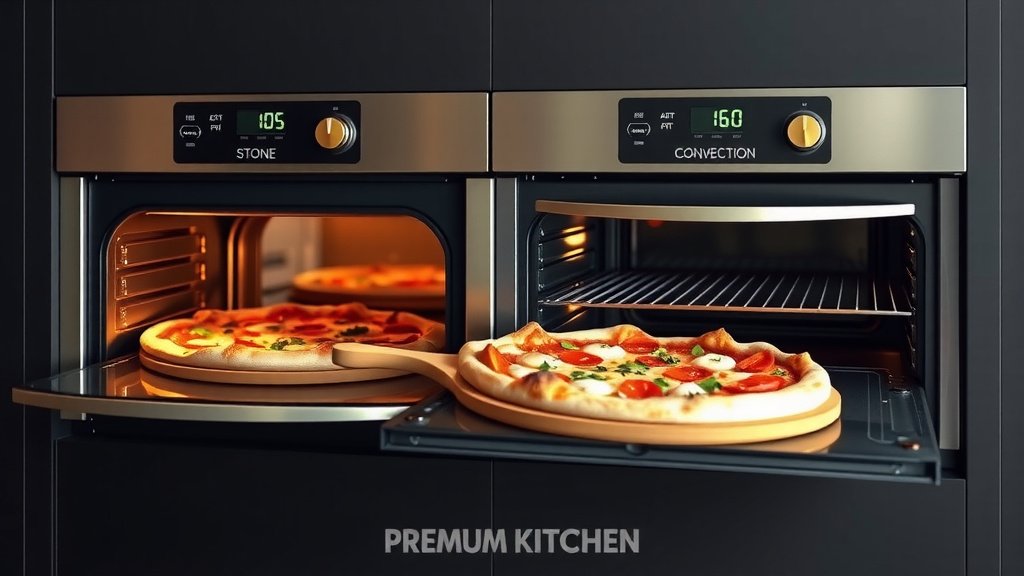
For making pizza at home, a dedicated outdoor pizza oven is generally better, offering superior high heat and crispy crusts that mimic authentic pizzeria results. However, a well-equipped conventional oven with a quality pizza stone or steel can also produce delicious homemade pizza.
The best oven for your homemade pizza depends on your budget, space, and how often you plan to make pizza. High heat is key, so consider options that can reach 500-900°F (260-480°C).
- Dedicated outdoor pizza ovens provide the highest temperatures and fastest cooking times for traditional Neapolitan-style pizza.
- Conventional home ovens can still make great pizza, especially when paired with a pizza stone or steel and preheated thoroughly.
- Convection ovens offer more even heating, which can help with browning, but may dry out toppings if not managed well.
- Indoor countertop pizza makers are a compact solution for consistent, high-heat pizza without needing a backyard.
- Ultimately, the ideal choice balances convenience, cost, and your desired pizza style.
Which Oven Is Better For Making Pizza At Home?
The quest for the perfect homemade pizza often starts with the right oven. We found that the type of oven you choose profoundly impacts your pizza’s crust, cook time, and overall flavor.
The Quest for Perfect Pizza Crust
Imagine that crispy, airy crust, bubbly with char spots. Getting this at home feels like a chef’s secret, doesn’t it? It’s really about heat, and a lot of it.
Many experts say that professional pizza ovens reach incredible temperatures. This intense heat cooks the pizza quickly, giving you a crust that’s both chewy inside and crisp on the outside (Serious Eats).
Understanding Oven Temperatures and Pizza
Why is high heat so important for pizza? Research shows that high temperatures rapidly cook the dough, preventing it from drying out while creating a beautifully blistered crust (Cook’s Illustrated).
When you cook pizza quickly at extreme heat, the moisture in the dough turns to steam, puffing up the crust. This quick burst of heat also caramelizes the sugars in the dough, leading to that delicious flavor and browning.
Conventional Ovens: Your Kitchen Workhorse
Most homes have a conventional oven. Can it make good pizza? Absolutely! You might not get Neapolitan-style in 90 seconds, but you can still achieve a fantastic result.
The challenge with conventional ovens is their maximum temperature, often around 500-550°F (260-288°C). While good, it’s lower than dedicated pizza ovens.
Pros and Cons for Pizza
On the plus side, you already own one. There’s no extra cost for equipment, and it’s familiar. It’s great for casual pizza nights and larger pies.
The downside? Slower cook times can lead to a less crispy crust and sometimes drier toppings. You might also struggle to get that distinctive char on the edges.
Tips for Better Conventional Oven Pizza
- Preheat your oven for at least an hour with a pizza stone or steel inside. This stores a lot of heat.
- Cook your pizza on the lowest rack setting to get more direct heat to the base of the crust.
- Don’t overload your pizza with toppings; keep it simple to allow for proper cooking.
Convection Ovens: A Step Up?
Many modern ovens include a convection setting. This feature uses a fan to circulate hot air throughout the oven cavity. Does this help with pizza?
We found that convection can offer some advantages. It creates a more even cooking environment, which might help brown your crust and cook toppings uniformly.
How Convection Helps Pizza
The circulating hot air can lead to a more consistent bake, reducing hot spots. This means less turning of your pizza during cooking.
Some people find that convection helps to crisp up the toppings and brown the cheese more effectively. It’s like having a little extra boost of heat hitting all sides.
Adjusting Your Bake
When using convection for pizza, you might need to lower the temperature slightly (around 25°F/15°C) or reduce the cooking time. The circulating air cooks things faster.
Keep an eye on your pizza, especially the toppings, as they can sometimes dry out more quickly with convection heat. A little experimentation here goes a long way.
Dedicated Pizza Ovens: The Game Changers
If you’re serious about making pizzeria-quality pizza at home, a dedicated pizza oven is the way to go. These ovens are built for one purpose: making amazing pizza.
They can reach temperatures between 700-900°F (370-480°C) or even higher, cooking a pizza in just 60-120 seconds. This speed is what gives you that perfect crust.
Outdoor Pizza Ovens
These are the closest you’ll get to a traditional brick oven experience. They can be wood-fired, gas-powered, or multi-fuel. Many research studies highlight their ability to create superior crusts (Ooni).
Outdoor ovens require dedicated space and setup, but the results are truly unmatched for that authentic Neapolitan or New York-style pizza.
Indoor Countertop Pizza Makers
Don’t have outdoor space? Indoor countertop pizza ovens are a fantastic alternative. These compact units sit on your kitchen counter and can reach high temperatures.
They are electric and designed to cook a single pizza quickly, often within 5-10 minutes. They are great for apartment dwellers or those who want convenience without sacrificing quality.
Comparing Your Pizza Oven Options
Let’s look at how these different oven types stack up for making pizza at home:
| Oven Type | Max Temp (approx.) | Cook Time (approx.) | Crust Quality | Cost |
|---|---|---|---|---|
| Conventional Oven | 500-550°F (260-288°C) | 10-15 minutes | Good, but less airy | Low (already owned) |
| Convection Oven | 500-550°F (260-288°C) | 8-12 minutes | Good, more even browning | Low (already owned) |
| Indoor Pizza Maker | 700-800°F (370-427°C) | 5-10 minutes | Very Good, crispy base | Moderate ($150-$500) |
| Outdoor Pizza Oven | 750-950°F+ (400-510°C+) | 1-3 minutes | Excellent, authentic char | High ($400-$2000+) |
Essential Pizza Making Accessories
No matter your oven, certain tools can significantly improve your pizza game. These are like your secret weapons for deliciousness.
- A high-quality pizza peel helps you launch and retrieve your pizza safely.
- A sturdy pizza cutter makes slicing easy and clean.
- An infrared thermometer lets you check the exact temperature of your cooking surface.
- Good quality mixing bowls for your dough.
- A reliable kitchen scale for precise ingredient measurements.
Your Pizza Oven Checklist
Before you commit to an oven, ask yourself these questions:
- How often do I plan to make pizza?
- What’s my budget for new equipment?
- Do I have outdoor space for a dedicated oven?
- How important is that authentic, blistered crust to me?
- Am I willing to experiment with dough recipes and techniques?
What About a Pizza Stone or Steel?
Many experts agree that a pizza stone or steel is a must-have, especially for conventional ovens. These tools absorb and retain heat, then transfer it directly to your pizza crust.
A pizza steel generally heats up faster and holds more heat than a stone, leading to an even crispier bottom crust. It mimics the hot surface of a professional pizza oven floor.
The Role of Dough and Ingredients
No matter how great your oven is, the quality of your pizza starts with the dough. A well-made dough, properly fermented, will give you the best results.
Fresh, high-quality ingredients also make a huge difference. Think about using good quality tomatoes for your sauce and fresh mozzarella. These choices elevate your pizza regardless of the oven you use.
Conclusion
When it comes to deciding which oven is better for making pizza at home, the answer isn’t one-size-fits-all. If you crave that authentic, lightning-fast cook and blistered crust, a dedicated outdoor pizza oven is the top choice. For those with less space or a tighter budget, a conventional oven equipped with a pizza stone or steel can still create truly delicious, satisfying homemade pizzas. Consider your personal pizza goals, space, and budget, and you’ll find the perfect oven to start your pizza-making adventure.
What’s the best temperature for homemade pizza?
The ideal temperature for homemade pizza is as hot as your oven can get, typically between 500-550°F (260-288°C) for conventional ovens, and 700-900°F (370-480°C) for dedicated pizza ovens. Higher heat ensures a quick cook and crispy crust.
Can I make good pizza without a pizza stone?
Yes, you can make good pizza without a pizza stone, but it might not be as crispy on the bottom. You can use a heavy baking sheet, preheated in the oven, or even an inverted cast-iron skillet to help conduct heat to the crust.
How long should I preheat my oven for pizza?
You should preheat your oven for at least 45 minutes to an hour when making pizza, especially if you’re using a pizza stone or steel. This allows the stone or steel to absorb and hold enough heat for a proper bake.
Is a gas or wood-fired outdoor pizza oven better?
Many prefer wood-fired outdoor pizza ovens for the authentic smoky flavor they impart and the traditional experience. However, gas-fired ovens offer easier temperature control, faster preheating, and more convenience, making them a great choice for consistency.
Can I use parchment paper when baking pizza on a stone?
While convenient for transfer, it’s generally best to avoid parchment paper directly on a very hot pizza stone or steel. High oven temperatures can scorch parchment paper, and it creates a barrier that prevents the direct heat transfer needed for a super crispy crust.
