
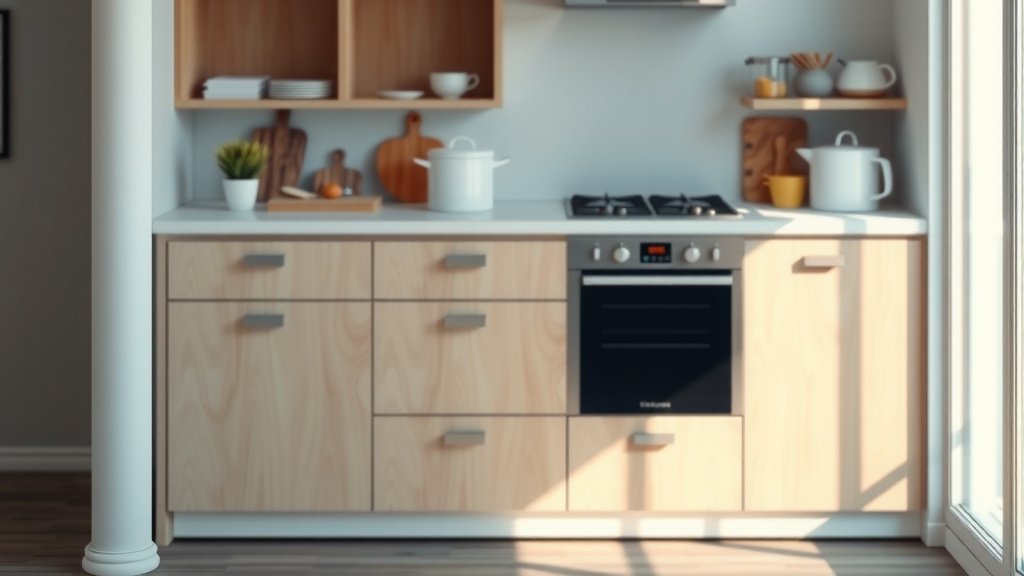
Most home cooks often prefer a conventional oven for its familiar operation and consistent baking results, especially for baking cakes and delicate pastries.
However, many are increasingly choosing a convection oven for faster cooking and even browning, especially for roasted meats and vegetables.
- Home cooks often lean towards conventional ovens for their ease of use and consistent, predictable results.
- Convection ovens are rising in popularity due to faster cooking times and more uniform heat distribution.
- The ideal oven choice ultimately depends on your specific cooking habits and kitchen setup.
- Factors like fuel type (electric vs. gas), capacity, and cleaning features play a big role.
- Modern smart features also offer convenience for today’s busy home chef.
What Oven Do Most Home Cooks Prefer?
You might wonder which oven type truly wins the hearts of everyday home cooks. We found that the preference often splits between conventional and convection ovens, each with distinct advantages.
Your ideal choice really depends on what you cook most and what features matter most to your kitchen routine.
The Classic Choice: Conventional Ovens
A conventional oven is likely what you grew up with. It heats from the top and bottom, circulating warmth naturally without a fan. This creates a slightly hotter top and cooler bottom, which can be useful.
Many home cooks appreciate this predictable heating pattern for certain dishes. It’s a reliable workhorse for traditional recipes.
Why Many Still Use Conventional
Why do so many still stick with the classic? You might find its simplicity appealing. There’s no learning curve, and recipes are usually written with conventional ovens in mind. Here are some reasons:
- They are often more affordable upfront.
- Great for delicate baked goods that need a gentle, stable environment.
- Many feel more comfortable and familiar with their operation.
- No fan means less drying out for certain dishes, like custards.
Potential Drawbacks to Consider
While beloved, conventional ovens do have some downsides. Have you ever noticed uneven browning or hot spots? This can be a common issue, requiring you to rotate dishes mid-cook.
They can also take longer to preheat and cook compared to their fancier cousins. This might not suit your busy schedule.
The Modern Favorite: Convection Ovens
A convection oven introduces a fan to circulate hot air evenly around your food. This constant airflow makes a real difference in cooking performance. It’s like a gentle, hot breeze inside your oven.
This technology is becoming increasingly popular for its efficiency and consistent results. Many home cooks are making the switch for these very reasons.
Convection’s Edge for Busy Cooks
What makes convection ovens so appealing? The even heat distribution means faster cooking and more consistent browning. Imagine perfectly roasted chicken with crispy skin, every time.
Many experts say convection can reduce cooking times by up to 25%, a huge benefit for busy weeknights (Food Network Kitchen). This saves you valuable time and energy in the kitchen.
Getting Used to Convection
Switching to convection might require a slight adjustment. You often need to lower the temperature by about 25 degrees Fahrenheit from a conventional recipe. Is that something you’d be comfortable doing?
Once you master these small changes, you’ll love the crispier textures and quicker meals. It’s a worthwhile learning curve for many.
Electric or Gas: A Core Decision
Beyond conventional or convection, the fuel source is another big choice for home cooks. Do you prefer electric or gas? Both have their own distinct characteristics affecting performance and cost.
Your existing kitchen hookups might already guide this decision, but it’s worth understanding the differences.
| Feature | Electric Oven | Gas Oven |
|---|---|---|
| Heat Consistency | Generally more even and precise. | Often has more moisture, heats up quickly. |
| Baking Quality | Preferred for delicate baking due to dry, consistent heat. | Good for roasting, can add moisture. |
| Installation | Easier to install if electric hookup exists. | Requires a gas line, professional installation likely. |
| Operating Cost | Can be higher depending on local electricity rates. | Often cheaper to operate if natural gas is available. |
| Preheat Time | Usually takes longer to preheat fully. | Heats up faster, especially for broiler. |
Electric Oven Highlights
Electric ovens are known for their consistent and dry heat, which is a dream for bakers. If you love baking elaborate cakes and cookies, you might appreciate the precise temperature control. We found that they often provide a more even bake.
They are also generally easier to clean, with smooth surfaces and hidden heating elements. This makes kitchen upkeep a little simpler for you.
Gas Oven Perks
Gas ovens use natural gas or propane, providing a moist heat that’s wonderful for roasting meats and achieving tender results. Many cooks say the moist heat helps keep food from drying out. They also tend to heat up faster than electric models.
If you enjoy broiling, gas ovens often offer a more powerful and instant flame. This can be great for quick browning or melting cheese.
Finding Your Perfect Oven Match
So, how do you decide which oven is right for you? It really comes down to your personal cooking style, kitchen layout, and budget. Think about what you use your oven for most often.
Are you a frequent baker or more of a roaster? Your answer will help guide your choice significantly.
Matching Oven Type to Cooking Style
If you’re a passionate baker who wants perfectly risen soufflés and even golden crusts, a conventional electric oven or a convection oven might be your best friend. The dry, stable heat is ideal.
For those who love roasting large cuts of meat, baking casseroles, or making stews, a gas oven with convection capabilities could be a fantastic pairing. The moist heat and even air circulation would give excellent results.
Capacity and Size Matters
Consider the size of your household and the typical dishes you prepare. Do you often cook for a crowd, or just for one or two? A larger capacity oven offers flexibility for holiday meals or batch cooking.
Also, check your kitchen space carefully. Some ovens are larger or require specific clearances. You want it to fit comfortably without making your kitchen feel cramped.
Here’s a quick checklist to help you choose:
- How often do you bake vs. roast?
- What is your budget for a new appliance?
- Do you have an existing gas or electric hookup?
- How much oven capacity do you truly need?
- Are smart features or self-cleaning important to you?
- How much space do you have in your kitchen?
Conclusion
Choosing the right oven is a truly personal decision, reflecting your unique cooking habits and kitchen needs. While many home cooks might prefer the straightforward familiarity of a conventional oven, the efficiency and performance of convection ovens are increasingly appealing.
Whether you choose electric or gas, and whether you lean towards conventional or convection, remember to prioritize features that genuinely enhance your cooking experience. The best oven for you will be the one that makes your time in the kitchen enjoyable and your meals delicious, every single time.
What is the main difference between conventional and convection ovens?
The main difference is the heat distribution. A conventional oven heats from static elements, creating varied temperatures. A convection oven uses a fan to circulate hot air evenly, leading to faster and more uniform cooking results.
Are convection ovens always better than conventional ovens?
Not always. While convection ovens offer faster and more even cooking for many dishes, conventional ovens are often preferred for delicate items like custards or soufflés that benefit from a stable, less circulating heat. It truly depends on what you are cooking.
Can I use regular recipes in a convection oven?
Yes, you can, but you’ll likely need to adjust. A common tip is to reduce the recipe’s recommended oven temperature by about 25 degrees Fahrenheit or shorten the cooking time by 10-25%. This helps prevent overcooking due to the more intense heat.
What are the pros and cons of an electric oven?
Electric ovens typically offer very consistent, dry heat, which is excellent for baking and precise temperature control. However, they can take longer to preheat and may have higher operating costs depending on local electricity prices.
Why might a home cook choose a gas oven?
Home cooks might choose a gas oven for its moist heat, which is wonderful for roasting and helping food stay tender. Gas ovens also tend to preheat faster and often have lower operating costs if natural gas is available, making them efficient for daily use.
