
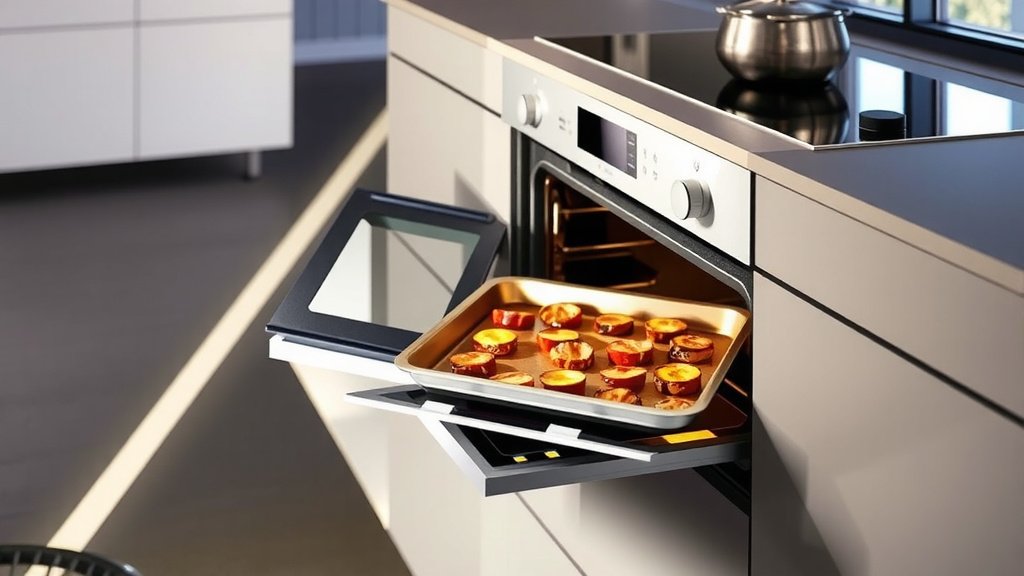
For achieving a beautifully caramelized finish on food, a convection oven or broiler generally works best because they offer intense, direct heat or circulating hot air for efficient browning.
These specialized cooking methods provide the consistent, high temperatures needed to transform sugars and achieve that coveted golden-brown crispness that makes dishes truly delicious.
Here’s the quick scoop on finding your caramelization champion:
- Convection Ovens: Use circulating hot air for fast, even browning across larger surfaces.
- Broilers: Provide intense top-down heat, perfect for quick, close-up caramelization.
- Conventional Ovens: Can caramelize, but often take longer and might not be as even.
- Toaster Ovens: Great for small batches, combining convection and broiler features.
Which Oven Type Works Best For Caramelizing Food?
The convection oven and the broiler are your top contenders for caramelizing food effectively and efficiently. Each offers unique advantages to get that perfect golden-brown color you crave.
Understanding Caramelization: More Than Just Browning
Caramelization is a magical process where sugars transform under heat. It creates those deep, nutty, often slightly bitter, and sweet flavors we love.
It is not just about color; it’s about a flavor transformation that elevates many dishes. Think roasted vegetables, seared meats, or even crème brûlée.
Many experts explain that caramelization truly begins at around 320°F (160°C). Reaching and maintaining this temperature evenly is key (Cook’s Illustrated).
The Convection Oven: Your Even-Browning Friend
If you own a convection oven, you have a powerful tool for caramelization right there. This type of oven circulates hot air using a fan.
What does that mean for you? It means more even and faster cooking. This uniform heat distribution helps sugars caramelize consistently across the entire surface of your food.
How Convection Ovens Caramelize
The circulating hot air effectively removes the boundary layer of cooler, moist air that often surrounds food in a conventional oven. This dry, consistent heat promotes quicker surface browning.
We find that items cooked in convection ovens often develop a beautiful, uniform crust. This is great for roasted root vegetables, tray bakes, or even certain desserts.
Best Uses for Convection Caramelization
Consider using your convection oven for larger batches of items. Think about those sheet pans of Brussels sprouts, sweet potatoes, or cauliflower.
It’s also fantastic for roasting meats where you want a crispy skin, like a chicken or duck. The even heat ensures no sad, pale spots remain.
The Broiler: Quick Intense Heat
Need to caramelize something fast, right on top? The broiler is your go-to. It uses intense direct heat from above, similar to grilling.
This method is excellent for finishing dishes or adding a quick golden crust. Think about the top of a casserole or melting cheese.
Broiling for Speed and Surface Crisp
The broiler’s high, direct heat is like a focused spotlight on your food. It provides a rapid burst of heat that quickly browns sugars on the surface.
Research indicates that broiling is ideal when you need to caramelize just the very top layer. You get that deep brown crust in minutes.
Tips for Broiler Success
Always keep a close eye on your food under the broiler. Things can go from perfectly golden to burnt in seconds. Many chefs recommend staying put!
Place your food on an oven rack that is close to the heating element, usually the top rack. This maximizes the direct heat transfer.
Traditional Conventional Ovens: Can They Keep Up?
Most homes have a conventional oven, which uses radiant heat from top and bottom elements without a fan. Can it caramelize?
Yes, absolutely! It just takes a bit longer, and you might need to stir or flip your food more often to achieve even browning.
The Strengths and Weaknesses
A conventional oven provides a gentler, more forgiving heat. This can be suitable for longer, slower caramelization processes, like roasting whole vegetables.
The main weakness is heat distribution. You might notice some spots caramelizing faster than others, which means manual intervention is key. We often found that rotating your pan halfway through is helpful.
Toaster Ovens and Countertop Models: Small But Mighty?
Don’t underestimate smaller ovens. Many modern toaster ovens now feature convection and broiler settings, making them quite versatile for caramelization.
They are perfect for small batches or when you don’t want to heat up a large oven. Think about caramelizing a few pieces of fruit or a single serving of gratin.
Comparing Oven Types for Caramelization
Let’s look at how these oven types stack up when it comes to getting that perfect caramelization.
| Oven Type | Speed | Evenness | Control | Best Use Case for Caramelization |
|---|---|---|---|---|
| Convection Oven | Fast | Excellent | Good (with fan) | Large batches of roasted veggies, crispy meats |
| Broiler | Very Fast | Surface only | High (watch closely) | Finishing dishes, melting cheese, crème brûlée tops |
| Conventional Oven | Moderate | Good (needs rotation) | Good (steady heat) | Slow roasting, general baking, larger items |
| Toaster Oven (with features) | Fast to Moderate | Good (small batches) | Good | Small portions, quick browning, reheating with crisp |
Beyond the Oven: Key Factors for Perfect Caramelization
The oven is just one part of the equation. A few other things will help you get that glossy, deep brown finish.
Sugar Content Matters
Naturally sugary foods caramelize well. Think onions, carrots, sweet potatoes, and fruits like apples or pears. Adding a touch of sugar can boost the process for less sweet items.
Research suggests that different sugars caramelize at different rates. For instance, fructose caramelizes faster than sucrose (Science of Cooking).
Moisture is Your Enemy (Sometimes)
Excess moisture will steam your food instead of browning it. Pat foods dry before cooking, and don’t overcrowd your pan. Give your ingredients some breathing room.
Allowing steam to escape is vital for browning. That’s why a convection oven’s circulating air is so helpful.
Fat Can Help
A little fat, like oil or butter, can help conduct heat and promote even browning. It also adds to the delicious flavor. Just a light coating is often all you need.
A Quick Caramelization Checklist
Before you start, here’s a short list to help you achieve caramelization glory:
- Choose the right oven for your task.
- Pat your food completely dry.
- Don’t overcrowd the baking sheet.
- Use a thin layer of oil or butter.
- Preheat your oven properly.
- Keep a watchful eye, especially with a broiler.
Safety First When Caramelizing
Working with high heat demands attention. Your safety in the kitchen is always important.
Keeping an Eye on Things
Caramelization can happen fast. Never walk away from food under a broiler. Even in a convection oven, check frequently.
A minute too long can turn perfect into charred. Use your nose and your eyes; they are your best guides.
Preventing Burns
Always use oven mitts when handling hot pans. Oven temperatures for caramelization are often quite high, so surfaces will be scorching.
Be careful when pulling out racks or reaching into a hot oven. It’s better to be slow and cautious than rushed and injured.
Conclusion
When it comes to caramelizing food, the convection oven and broiler are clear winners for speed and evenness. Your conventional oven can certainly do the job too, just with a little more patience and manual attention.
Remember, it’s about understanding the heat and how your oven works. By pairing the right oven type with a few smart techniques, you’ll achieve that irresistible golden-brown perfection every time. So go ahead, experiment, and enjoy those wonderfully caramelized flavors!
What kind of pan is best for caramelizing in the oven?
A dark, heavy-gauge baking sheet or cast-iron pan is often best. Darker pans absorb more heat, promoting better browning. Heavy-gauge materials distribute heat evenly, preventing hot spots.
Can I caramelize onions in a convection oven?
Yes, you can! A convection oven helps achieve even browning on onions without constant stirring. Slice them thin, toss with a little oil, and spread them in a single layer. Just watch them closely as they may brown faster.
How do I prevent my food from burning when caramelizing?
To prevent burning, always preheat your oven to the correct temperature, do not overcrowd your pan, and stay nearby to monitor progress. If using a broiler, place food on a lower rack initially and move it closer if needed, checking every 30 seconds.
Is it possible to caramelize frozen vegetables?
You can caramelize frozen vegetables, but you must first thaw them and pat them very dry. Excess moisture will lead to steaming instead of browning. Roasting them at a higher temperature in a convection oven can help drive off moisture quickly.
Does the size of my oven matter for caramelization?
While larger ovens handle more food, the specific cooking features matter more. A smaller toaster oven with convection or broiler functions can caramelize just as effectively for small batches as a large range. The key is consistent, high heat.
