
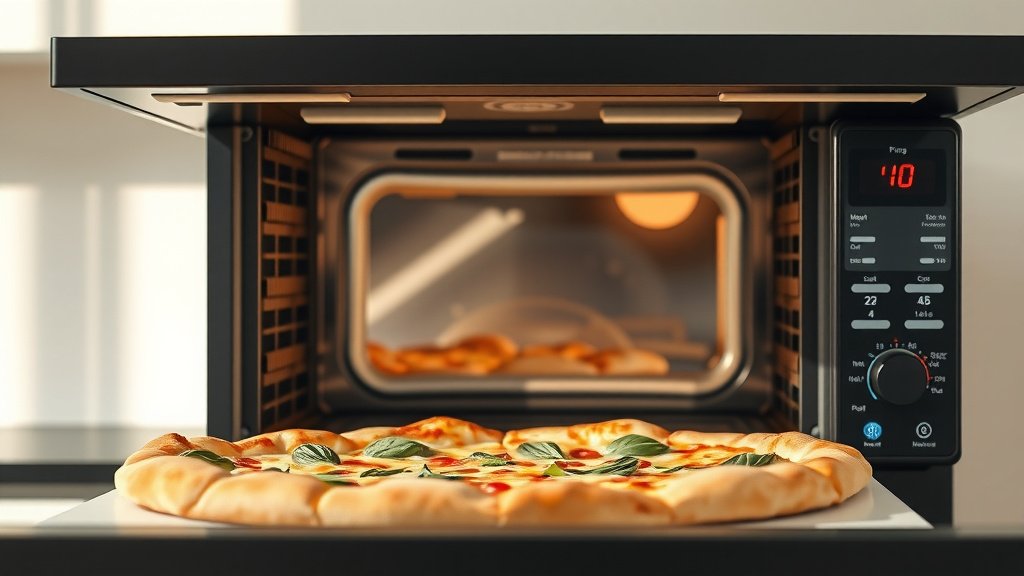
Cooking pizza in a countertop oven is surprisingly simple, allowing you to achieve a crispy crust and perfectly melted toppings right in your kitchen.
You can effectively cook a delicious pizza in a countertop oven by preheating it thoroughly, using the right baking surface, and monitoring it closely for optimal doneness.
- Get ready to bake amazing pizza at home using your countertop oven.
- Preheating your oven to the highest possible temperature is essential for a crispy crust.
- Use a pizza stone or steel for best results, or parchment paper for easier cleanup.
- Keep a close eye on your pizza; cooking times can vary quickly in these ovens.
- Enjoy your homemade pizza, knowing you’ve mastered a quick and easy meal solution.
How To Cook Pizza In A Countertop Oven?
To cook pizza in a countertop oven, you’ll want to start with proper preheating and prepare your pizza for an even bake. This method brings the joy of homemade pizza right to your kitchen, making weeknight meals easy.
Understanding Your Countertop Oven
Countertop ovens are versatile appliances, often with toaster oven or convection capabilities. They heat up faster than full-sized ovens, which makes them great for quick meals like pizza. Many models also offer specialized pizza settings, so check your manual.
Why Countertop Ovens Excel for Pizza
These smaller ovens concentrate heat efficiently, helping to create a crispier crust much faster. Their compact size means less energy waste compared to a large oven. We found that many users appreciate this quick heating for weeknight dinners, saving both time and energy.
Gathering Your Pizza Essentials
Before you even think about putting dough in the oven, let’s talk about what you need. Having the right tools makes the process smoother and more enjoyable. Think of it like a chef prepping their station before a busy dinner service.
- Your Favorite Pizza Dough: Fresh or store-bought, whatever you prefer for convenience.
- Pizza Sauce: Marinara, pesto, or even a white garlic sauce to match your taste.
- Cheese: Mozzarella is classic, but mix it up with provolone, parmesan, or cheddar.
- Toppings: Pepperoni, veggies, mushrooms – the possibilities are endless for customization!
- Pizza Peel or Spatula: For safely moving your pizza in and out of the hot oven.
- Pizza Stone or Steel (Recommended): For that authentic, crispy bottom, mimicking brick ovens.
Prepping Your Pizza Dough
The foundation of any great pizza starts with the dough. Whether you made it yourself or bought it, proper preparation is essential. Many experts agree that letting dough come to room temperature improves its texture and workability.
Stretching Your Dough Like a Pro
Gently stretch your dough to your desired thickness and shape, being careful to avoid tearing it. A little flour on your surface prevents sticking. Aim for an even thickness so it cooks consistently and doesn’t have raw spots.
Building Your Masterpiece
Now comes the fun part: adding your sauce, cheese, and toppings. Don’t overload the pizza; too many toppings can make the crust soggy and prevent even cooking. Think balance and flavor harmony, not just quantity.
Sauce, Cheese, and Topping Tips
Spread a thin layer of sauce, leaving a small border for the crust to puff up. Add cheese evenly, then your favorite toppings. Remember, less is often more for an optimal bake in a countertop oven, letting each flavor shine.
Preheating Your Countertop Oven for Pizza
This step is non-negotiable for a truly great pizza. Many culinary experts say that proper preheating is as important as the ingredients themselves. For optimal food safety and even cooking, ensuring your appliance reaches the correct temperature is key (FDA guidelines).
Finding the Right Temperature
Set your countertop oven to its highest temperature, usually between 450°F and 500°F (232°C to 260°C). If you have a pizza stone or steel, place it inside during preheating. Allow at least 15-20 minutes for it to reach and stabilize its heat, ensuring a hot surface for the crust.
Research often connects insufficient preheating with a chewy or undercooked crust, which can sometimes impact digestibility (NIH).
The Art of Baking Your Pizza
Once your oven is screaming hot, it’s time to introduce your creation to the heat. This moment is when the magic truly happens, transforming simple ingredients into a delicious, bubbly, and crispy meal.
Transferring Your Pizza Safely
Carefully slide your prepared pizza onto the preheated stone or baking sheet using a pizza peel. If you don’t have a peel, you can assemble the pizza on parchment paper and slide the paper directly onto the hot surface. Always use oven mitts to protect your hands.
Optimal Baking Times and Watching It Closely
Most pizzas in a countertop oven cook quickly, often within 8-15 minutes. Cooking times vary based on oven model and crust thickness. Keep a watchful eye; the edges should be golden brown and the cheese bubbly. Many experts recommend rotating the pizza halfway through for even cooking, especially if your oven has hot spots.
Troubleshooting Common Pizza Problems
Sometimes things don’t go exactly as planned, and that’s okay! Let’s look at a few common issues and how to fix them. You’re learning, and every baking attempt is a step towards perfection and a better pie next time.
| Problem | Possible Cause | Solution |
|---|---|---|
| Soggy Crust | Oven not hot enough; too many toppings | Preheat longer; use a pizza stone; reduce toppings amount |
| Burnt Toppings | Too close to heating element; oven too hot | Lower oven rack; reduce temperature slightly if problem persists |
| Uneven Cook | Hot spots in oven; no rotation during baking | Rotate pizza halfway through; try a different rack position |
Cooling and Serving Your Masterpiece
Once your pizza is perfectly cooked, resist the urge to cut into it immediately. A brief cooling period can actually improve the eating experience. This short wait allows the cheese to set and flavors to meld, making for a better slice.
The Benefits of a Short Rest
Let your pizza rest for 2-3 minutes on a cutting board before slicing. This helps prevent toppings from sliding off and makes for cleaner cuts. It’s a small step with big rewards, as many chefs will tell you for any baked good.
Conclusion
Cooking pizza in a countertop oven is a rewarding experience that offers speed and delicious results. By focusing on proper preheating, smart topping choices, and careful monitoring, you can achieve a wonderfully crispy and flavorful pizza every time. You’ll soon find yourself reaching for your countertop oven more often for your pizza nights, enjoying homemade goodness with minimal fuss. Enjoy the process and the fantastic food!
Frequently Asked Questions
Can I use aluminum foil instead of parchment paper for pizza?
You can use aluminum foil, but parchment paper is often preferred because it’s non-stick and helps prevent the crust from drying out too much. If using foil, lightly grease it to prevent sticking to your pizza.
How do I prevent the pizza from sticking to the peel?
To prevent sticking, generously dust your pizza peel with flour, cornmeal, or semolina before placing the dough on it. This creates a barrier, allowing the pizza to slide off easily onto the hot surface.
Is it better to use fresh or frozen pizza dough in a countertop oven?
Either fresh or frozen (thawed) dough works well. Fresh dough often yields a slightly better texture and flavor, but thawed frozen dough is incredibly convenient. Always let any dough come to room temperature before stretching.
My pizza crust is soft, not crispy. What am I doing wrong?
A soft crust usually means the oven wasn’t hot enough or the pizza didn’t cook long enough. Ensure your oven and any pizza stone or steel are fully preheated to the highest temperature. Also, avoid overloading toppings, which can add moisture.
Can I bake multiple pizzas back-to-back in a countertop oven?
Yes, you can, but you might notice a slight drop in oven temperature after the first pizza. Allow the oven to reheat for a few minutes between pizzas to ensure consistent results, especially if using a pizza stone which needs to regain its heat.
