
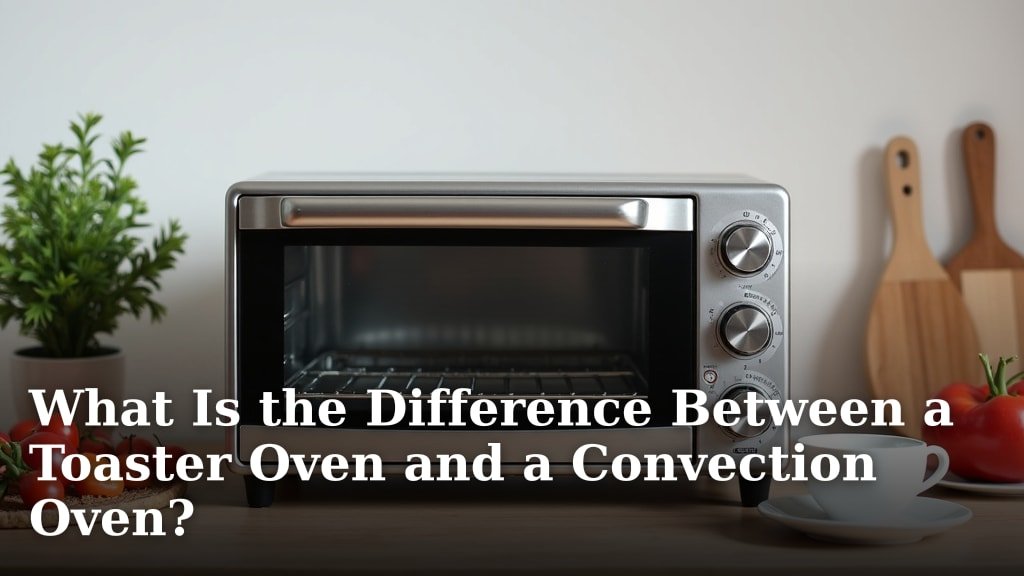
The primary difference between a toaster oven and a convection oven is that a convection oven includes a fan and exhaust system to circulate hot air, while a standard toaster oven heats items without a fan. This fan makes a big difference in cooking results.
You might be wondering if one is better than the other for your kitchen. We found that each oven has its own strengths. Your cooking habits and kitchen space will help you decide which is best for you.
- Toaster ovens: Great for quick, small meals.
- Convection ovens: Offer faster, more even cooking.
- Size: Toaster ovens are usually smaller.
- Cost: Toaster ovens are generally less expensive.
- Versatility: Convection models can do more advanced cooking.
Let’s break down all the details of these two popular kitchen appliances. We’ll help you choose the perfect one for your home.
Understanding the Heating Differences: Toaster Oven vs. Convection Oven
The core difference between these two appliances lies in how they circulate heat. A standard toaster oven uses radiant heat. Think of it like a mini version of your big oven. Elements on the top and bottom glow red and heat the air inside. This static hot air then cooks your food. It’s a simple, effective method for many tasks.
Conversely, a convection oven uses a fan to move hot air. This fan circulates the air continuously around your food. It creates a more even cooking environment. This active circulation is the key to its unique benefits, which we’ll explore in detail.
How a Toaster Oven Heats Your Food
In a toaster oven, heating elements are usually at the top and bottom. When you turn it on, these elements heat up. They radiate heat directly onto your food. The air inside the oven also gets hot, cooking your items from all sides.
This method is excellent for browning toast or melting cheese. It’s also suitable for reheating leftovers. Because there’s no fan, the heat can sometimes be uneven. You might notice one side of your food cooking faster if it’s closer to an element.
Radiant Heat Explained
Radiant heat is a direct transfer of energy. Imagine standing near a campfire. You feel the heat directly from the flames. That’s radiant heat. In a toaster oven, this heat cooks the surface of your food first. Then, the heat slowly moves inward.
This approach is perfect for foods that need a crispy exterior. Items like garlic bread or frozen pizza crusts benefit from this direct browning effect. It’s straightforward and reliable.
How a Convection Oven Heats Your Food
Convection ovens take a different approach. They still have heating elements, just like a regular oven. But they also include a fan and an exhaust system. The fan blows hot air around the cooking chamber. This circulating air surrounds your food from every angle.
This constant movement of air ensures more even temperature distribution. It also helps to cook food faster. Many experts found that convection ovens can reduce cooking times by up to 25% (Energy Star).
The Role of the Fan and Exhaust
The fan in a convection oven is the hero. It distributes the heat uniformly. This means there are fewer “hot spots” or “cold spots.” Your cookies will bake more evenly. Roasts will brown beautifully on all sides.
The exhaust system also plays a role. It helps remove moisture from the oven. This creates a drier environment. A drier environment is excellent for achieving crispier textures. Think about perfectly roasted chicken or crunchy french fries.
Practical Differences in Your Kitchen
Now that we understand the heating mechanisms, let’s look at how these differences affect your everyday cooking. We found that the size and the type of heating determine what each appliance is best suited for. Your cooking style will naturally lean towards one type.
Cooking Performance and Food Texture
With a toaster oven, you get good basic cooking. It’s great for toast, small frozen snacks, or heating up a quick meal. The radiant heat helps with direct browning. You’ll get a nice crisp on top of your re-heated pizza.
A convection oven offers a different level of performance. The circulating hot air means food cooks more evenly. It also cooks faster. This is due to the hot air constantly touching the food. It cooks the outside and pushes heat to the inside more quickly. This speed and evenness can lead to better results for baking and roasting.
Energy Efficiency and Running Costs
Regarding energy use, both appliances are generally more efficient than a full-sized oven for small jobs. This is because they have smaller cavities to heat. You’re not heating up a huge space just for a couple of muffins.
Convection ovens often use less energy to achieve the same result. The fan helps distribute heat efficiently. This means the oven doesn’t have to work as hard, or as long, to reach and maintain temperature. We found that their efficiency can save you a bit on utility bills over time for daily use.
Comparing Features and Functionality
While both are countertop appliances, they offer different sets of features. Knowing these can help you decide which one fits your lifestyle better. It’s not just about cooking; it’s about convenience and versatility.
Size and Capacity Considerations
Toaster ovens are typically smaller. They are designed for limited counter space. You can often fit a few slices of toast or a small frozen dinner. Their compact size makes them easy to store and clean. They are a good choice for single individuals or small households.
Convection ovens, especially the standalone countertop models, tend to be larger. They often have enough capacity for a whole chicken or a 9×13 inch baking pan. This extra space makes them suitable for preparing meals for families. They can also handle larger batches of baked goods.
Versatility and Specialized Functions
A basic toaster oven is, well, basic. It toasts, bakes, and reheats. Some might have a broiler setting. They are straightforward and reliable for these simple tasks. It’s like having a smaller, simpler version of your main oven.
Convection ovens often come with more advanced features. You might find settings for roasting, dehydrating, or even air frying. Many modern convection countertop ovens can do almost everything a full-sized convection oven can do. Their versatility makes them a multi-functional kitchen workhorse.
| Feature | Toaster Oven | Convection Oven |
|---|---|---|
| Heat Distribution | Radiant heat, static air | Fan-forced circulating hot air |
| Cooking Speed | Standard | Faster (up to 25% quicker) |
| Evenness of Cook | Can have hot/cold spots | Very even, consistent results |
| Food Texture | Good for browning, crisping | Crispier, juicier, better browning |
| Typical Size | Smaller, compact | Often larger, higher capacity |
| Versatility | Basic cooking (toast, reheat, bake) | Bake, roast, dehydrate, air fry (often) |
| Energy Use | Efficient for small tasks | Generally more energy-efficient due to fan |
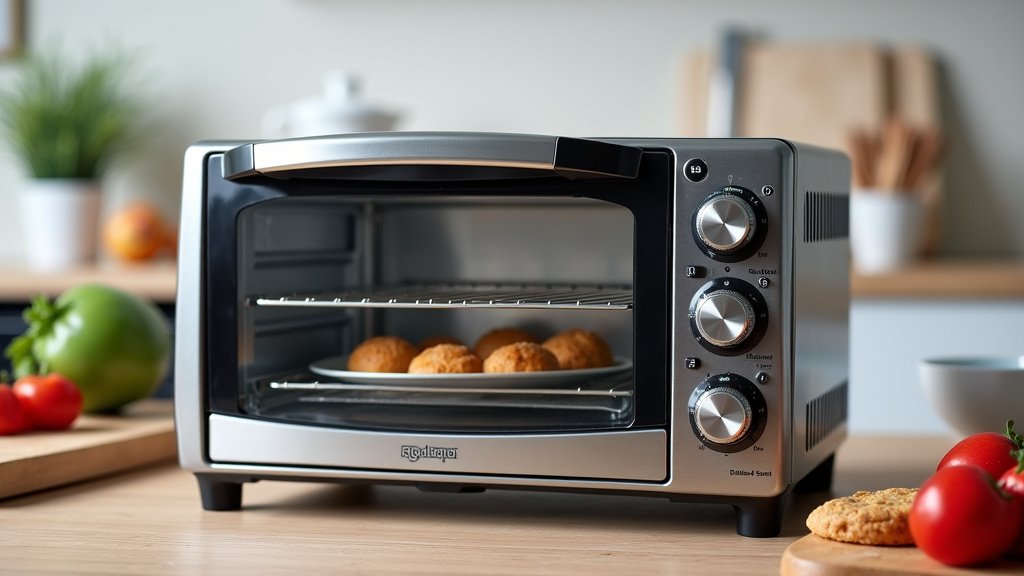
Which One Is Right For You? Making the Choice
Choosing between a toaster oven and a convection oven comes down to your personal cooking habits and kitchen needs. There isn’t a universally “better” option. It’s about finding the best fit for your lifestyle. We’ll help you weigh the pros and cons.
When a Toaster Oven Shines
A toaster oven is ideal if you often prepare quick, small meals. Do you frequently make toast, bagels, or heat up frozen waffles? Do you live alone or have a small household? Then a toaster oven could be your perfect match. It’s also a great secondary appliance. Many people pair a toaster oven with a full-sized oven.
Consider a toaster oven if:
- You have limited counter space.
- You primarily need to toast, reheat, or bake small items.
- You’re looking for a more budget-friendly option.
- You want something incredibly simple to operate.
- You don’t need a lot of advanced cooking settings.
- You’re often just cooking for one or two people.
When a Convection Oven Is Your Best Bet
If you love to bake, roast, or cook often, a convection oven offers significant advantages. Its ability to cook food more evenly and quickly can be a game-changer. Especially if you’re making larger dishes or more elaborate meals. It’s like having a powerful second oven on your countertop.
Opt for a convection oven if:
- You frequently bake cookies, cakes, or roasts.
- You desire faster cooking times and energy savings.
- You want consistently even cooking results.
- You’re feeding a family or often cook for guests.
- You need features like air frying or dehydrating.
- You have the counter space to accommodate a larger appliance.
Thinking About Your Kitchen Habits
Before you buy, take a moment to reflect on your daily cooking routine. What do you cook most often? How many people do you cook for? How much space do you have? These are the real questions that will guide your decision. We encourage you to envision actually using the appliance. Which one makes your life easier?
Here’s a quick checklist to guide your decision:
- Do I prioritize speed and evenness in cooking?
- How much counter space do I have available?
- What type of foods do I cook most often (toast vs. roasts)?
- Is budget a primary concern for this purchase?
- Do I need specialized functions like air fryer mode?
- How many people do I typically cook for?
Conclusion
Choosing between a toaster oven and a convection oven boils down to your specific kitchen needs. A toaster oven offers quick, simple heating for small items and is budget-friendly. A convection oven provides faster, more even cooking results and greater versatility, especially for baking and roasting. We found that the fan truly makes all the difference in cooking capabilities and energy efficiency. Consider your typical meal prep, available counter space, and desired cooking functions.
By assessing these factors, you can confidently select the appliance that will make your time in the kitchen more enjoyable and efficient. Which one will you bring home to power your daily cooking tasks?
Frequently Asked Questions
Can I use regular aluminum foil in a toaster oven or convection oven?
Yes, you can typically use regular aluminum foil in both. However, always ensure it doesn’t touch the heating elements directly, especially in a toaster oven, to prevent fire hazards. In convection ovens, avoid blocking the fan vents with foil to maintain proper air circulation.
Are convection toaster ovens the same as convection ovens?
A convection toaster oven is essentially a toaster oven that also includes a fan to circulate hot air, combining features of both. While they offer some of the benefits of convection cooking, they are usually smaller and less powerful than dedicated countertop convection ovens, which often have more advanced features and capacity.
Do I need to preheat a toaster oven or convection oven?
It’s generally recommended to preheat both for best results, especially when baking or roasting. Preheating ensures the oven reaches the correct temperature throughout its cavity. Convection ovens may preheat faster due to the fan circulating air, but following recipe instructions for preheating times is usually a good idea.
What are the best foods to cook in a toaster oven versus a convection oven?
Toaster ovens excel at small, quick tasks like toast, bagels, frozen waffles, and reheating pizza slices. Convection ovens are better for tasks requiring even cooking and browning, like roasting vegetables, baking cookies, cooking a whole chicken, or preparing casseroles, thanks to their circulating hot air.
How do I clean a toaster oven or convection oven?
For both, turn the appliance off and unplug it before cleaning. You can wipe down the interior with a damp cloth and mild dish soap. Remove and wash the crumb tray and racks regularly. For stuck-on food, a paste of baking soda and water can help. Avoid harsh chemicals or abrasive scrubbers.
