

For an authentic Neapolitan pizza, the best pizza oven temperature is around 850-950°F (450-510°C). This extremely high heat is crucial for achieving that characteristic puffy, leopard-spotted crust and a quick cook time.
Achieving this temperature is key to recreating the traditional Neapolitan experience right in your backyard. Many experts agree that anything less just won’t give you the desired texture and flavor. We found that consistency at these high temperatures makes all the difference for a perfect Neapolitan pizza.
- Target Temperature: 850-950°F (450-510°C) is ideal.
- Why it matters: Ensures quick cooking and characteristic crust.
- Results: Puffy, airy crust with beautiful charring.
- Equipment: Requires a specialized pizza oven.
- The Payoff: True Neapolitan taste at home.
Ready to bake some amazing pizza? Let’s dive deeper into how you can achieve and maintain this ideal pizza oven temperature for your next Neapolitan masterpiece.
Ideal Oven Temperatures for Neapolitan Pizza
For truly authentic Neapolitan pizza, your oven needs to be incredibly hot. We’re talking temperatures that would make a regular kitchen oven blush. The sweet spot for a perfect Neapolitan crust is typically between 850-950°F (450-510°C).
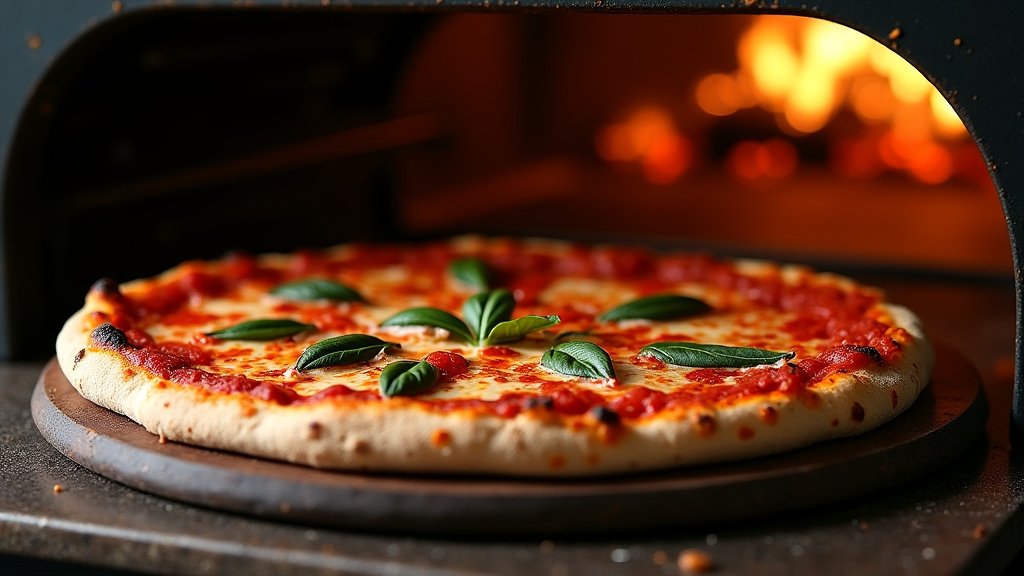
Why so hot? This extreme heat cooks the pizza very quickly, usually in 60 to 90 seconds. This rapid cooking creates a unique crust texture – light, airy, and slightly charred with those beautiful “leopard spots” that are a hallmark of Neapolitan pizza.
The Science Behind High-Temperature Pizza
It’s not just about getting it hot; it’s about what happens to the dough. When your pizza hits such high temperatures, the moisture in the dough instantly turns to steam. This steam then puffs up the crust, creating those characteristic air pockets (G. Di Martino et al., 2013).
The intense heat also caramelizes the sugars on the crust’s surface. This process gives you that delightful charring, or “leopard spotting,” and a complex flavor profile that’s impossible to achieve at lower temperatures.
What Happens If Your Oven Isn’t Hot Enough?
You might be tempted to just crank your home oven to its max. But if you try to make Neapolitan pizza at lower temperatures, say 500-600°F (260-315°C), you’ll run into some issues.
First, your pizza will cook much slower. This means the crust will likely become dry and cracker-like instead of soft and chewy. The cheese and toppings will also cook too much, potentially burning before the crust gets properly done.
You’ll also miss out on that iconic puffy, blistered crust. The rapid rise of the dough just won’t happen. The pizza might still taste good, but it won’t have the authentic Neapolitan texture you’re aiming for.
Achieving and Maintaining Your Pizza Oven’s Temperature
Getting your oven to 900°F is one thing; keeping it there is another. Many factors play into maintaining that consistent high heat, which is essential for baking multiple pizzas without losing quality.
We found that preheating your oven thoroughly is non-negotiable. Don’t rush it. Give your oven and your pizza stone or baking surface ample time to heat up completely. This often means waiting 30-60 minutes after it reaches the target temperature.
Types of Ovens and Their Temperature Capabilities
Not all pizza ovens are created equal when it comes to extreme heat. Let’s look at the common types you might use for Neapolitan pizza:
Wood-Fired Ovens
These are the traditional choice and often considered the gold standard. They can reach well over 900°F (480°C), sometimes even 1000°F (540°C), with ease. The radiant heat from the flames and the heat absorbed by the oven dome create a perfect baking environment. However, they require careful management of the fire and learning how to gauge temperature by eye.
Gas-Fired Ovens
Many modern outdoor pizza ovens are gas-fired. They offer the convenience of instant heat and precise temperature control. High-quality gas ovens can reach 850-950°F (450-510°C) and maintain it consistently. We found these to be a great option for home users who want authentic results without the hassle of wood.
Electric Pizza Ovens
Some indoor and outdoor electric pizza ovens can reach Neapolitan temperatures. These are often compact and designed specifically for pizza. They can be a good choice for those with limited space or who prefer not to use gas or wood. Check the specifications carefully, as not all electric ovens can hit the 900°F mark.
Home Kitchen Ovens (with modifications)
While challenging, you can get decent results in a high-quality home oven set to its maximum temperature (usually 550°F or 290°C). You’ll need a pizza stone or steel. Preheat it for at least an hour. You might also use the broiler for the last minute to get some top charring. It won’t be a true Neapolitan cook, but it’s the best you can do with standard equipment.
Essential Tools for Temperature Management
You can’t just guess the temperature; you need to measure it accurately. This is where a good thermometer comes in. Relying on an oven’s built-in gauge might not be enough, especially with some outdoor ovens.
Infrared Thermometers
An infrared thermometer (or laser thermometer) is your best friend for Neapolitan pizza making. This tool allows you to point a laser at your pizza stone or cooking surface and get an instant, accurate reading of its temperature. We found that this is crucial because the air temperature might be different from the surface temperature where your pizza cooks.
When you’re aiming for 900°F, you need to ensure the stone itself is at that temperature. Often, the dome of the oven might read differently. The infrared thermometer takes the guesswork out of it, letting you know exactly when your cooking surface is ready for launch.
Pyrometers and Built-in Gauges
Some high-end pizza ovens come with built-in pyrometers or very accurate dial thermometers. While these can be helpful, always cross-reference them with an infrared thermometer initially. This helps you understand how accurate your oven’s gauge is and builds your trust in its readings over time.
Preheating Strategies for Optimal Results
Don’t underestimate the power of a proper preheat. This isn’t just about reaching a certain temperature; it’s about soaking the entire oven structure and the cooking surface with heat.
Many experts agree that a preheat of at least 45 minutes to an hour is necessary, even after your oven’s thermometer reads the target temperature. For wood-fired ovens, this often means building a significant fire and allowing the flames to “wash” over the dome for an extended period.
Checking for Readiness
How do you know when your oven is truly ready? Besides your trusty infrared thermometer, there are visual cues. In a wood-fired oven, the soot on the dome should have burned off, leaving a clean, white surface. This indicates the dome is fully saturated with heat and ready to reflect it onto your pizza.
For gas and electric ovens, consistent temperature readings from your infrared thermometer across the entire cooking surface are a good indicator. You want to make sure there are no significant “cold spots” that could lead to uneven cooking.
A Quick Checklist for Perfect Neapolitan Pizza Temperature
Ready to get started? Here’s a simple checklist to guide you to that ideal Neapolitan pizza temperature:
- Use a dedicated pizza oven: Aim for a wood-fired, gas, or specialized electric model.
- Target 850-950°F (450-510°C): This is the sweet spot for the stone.
- Invest in an infrared thermometer: Essential for accurate surface temperature readings.
- Preheat thoroughly: Allow 45-60 minutes even after reaching the target temperature.
- Maintain heat between pizzas: Let the oven recover for a few minutes if the temperature drops.
- Watch for visual cues: Look for a clean dome in wood-fired ovens.
| Oven Type | Typical Max Temp | Neapolitan Capability | Key Consideration |
|---|---|---|---|
| Wood-Fired | 1000°F+ (540°C+) | Excellent | Requires skill for fire management |
| Gas-Fired Outdoor | 850-950°F (450-510°C) | Excellent | Convenient, precise control |
| Electric Outdoor/Countertop | 750-900°F (400-480°C) | Good to Excellent | Check specs carefully for temp range |
| Home Kitchen (Modded) | 550°F (290°C) | Limited (Crust different) | Needs pizza stone/steel and broiler |
Understanding and controlling your oven’s temperature is perhaps the biggest step toward making truly authentic Neapolitan pizza at home. It takes a little practice, but the delicious results are well worth the effort!
Conclusion
You now understand that the ideal temperature for authentic Neapolitan pizza is 850-950°F (450-510°C). This extreme heat is what creates that signature puffy, leopard-spotted crust and cooks your pizza in under two minutes. We’ve shown you why this temperature matters and the right tools, like an infrared thermometer, to achieve it. Preheating is also super important for consistent results. With this knowledge, you’re ready to master the art of Neapolitan pizza making right in your own backyard.
Frequently Asked Questions
Can I make Neapolitan pizza in a regular indoor oven?
While you can make good pizza in a regular oven, achieving true Neapolitan results is difficult. Home ovens typically max out around 550°F (290°C), which is not hot enough for the characteristic quick cook and puffy crust. You’ll get a decent pizza, but it won’t be authentic Neapolitan.
How long does it take for a pizza oven to reach 900°F?
The time it takes varies by oven type. Gas-fired ovens might reach temperature in 15-30 minutes, while wood-fired ovens can take 45-90 minutes or even longer to fully saturate the dome with heat. Always allow extra time for thorough preheating, even after the thermometer shows the target temperature.
Why are “leopard spots” on the crust important for Neapolitan pizza?
The leopard spots, or charring, are a visual sign of a perfectly cooked Neapolitan pizza. They indicate the crust has been exposed to extremely high heat, causing sugars to caramelize rapidly. This contributes to the complex flavor and slightly crispy texture of the crust, alongside a soft interior.
What kind of wood is best for a wood-fired Neapolitan pizza oven?
Hardwoods like oak, maple, ash, or fruitwoods (apple, cherry) are best for wood-fired ovens. They burn hot and clean, imparting a subtle smoky flavor without being overpowering. Avoid softwoods, as they burn too quickly and can produce excessive smoke and creosote.
Should I keep the flame on when cooking pizza in a gas oven?
Yes, for Neapolitan pizza in a gas oven, you generally want to keep the flame on. This ensures a consistent high temperature and helps cook the top of the pizza quickly. The flame also provides radiant heat for those desirable leopard spots on your crust.
