
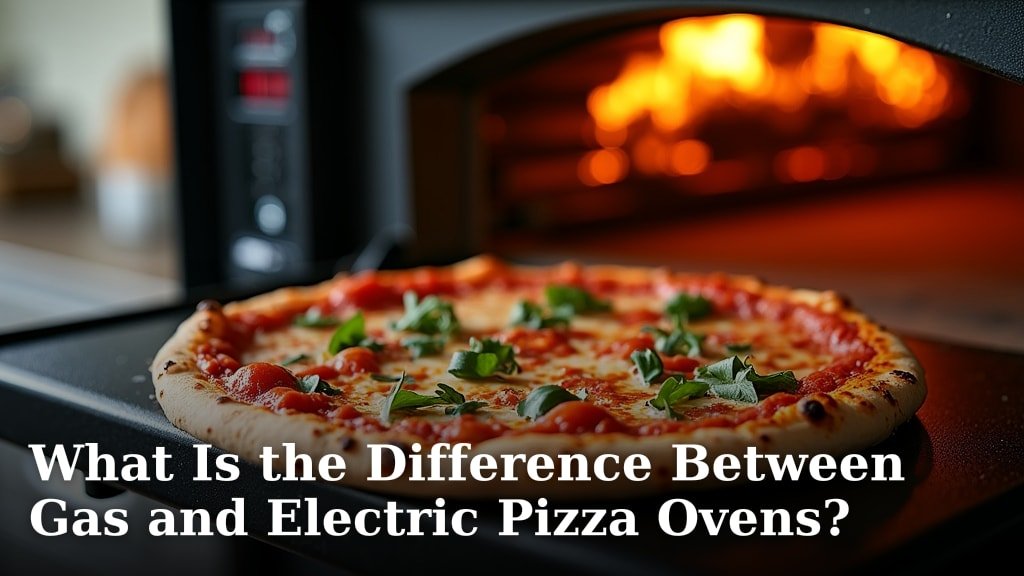
The main difference between gas and electric pizza ovens lies in their heat source and cooking characteristics. Gas ovens often reach higher temperatures faster, offering a more traditional Neapolitan-style crust, while electric ovens provide consistent, even heat, making them easier to use indoors and for various baking tasks.
Choosing between a gas and electric pizza oven depends on your cooking preferences and setup. Do you prioritize speed and intense heat for that authentic char, or do you value convenience and consistent results in a more controlled environment? We found that each type offers distinct advantages, impacting your pizza-making experience significantly.
- Gas ovens use a flame for quick, intense heat.
- Electric ovens use heating elements for steady, even cooking.
- Gas models often cook faster and achieve higher temperatures.
- Electric models are generally easier to control and use indoors.
- Your ideal choice depends on your cooking style and space.
Let’s dive into the details and help you understand which pizza oven is the perfect fit for your home.
Understanding the Core Differences Between Gas and Electric Pizza Ovens
At its heart, the choice between gas and electric comes down to how each oven generates and distributes heat, which then impacts the flavor, crust, and overall cooking experience. We found that these fundamental differences guide nearly every aspect of their use.
The Power Source and Heat Generation Explained
Gas pizza ovens, as their name suggests, use either propane or natural gas. They often feature an open flame, which can reach extremely high temperatures very quickly. This intense heat is perfect for a rapid cook.
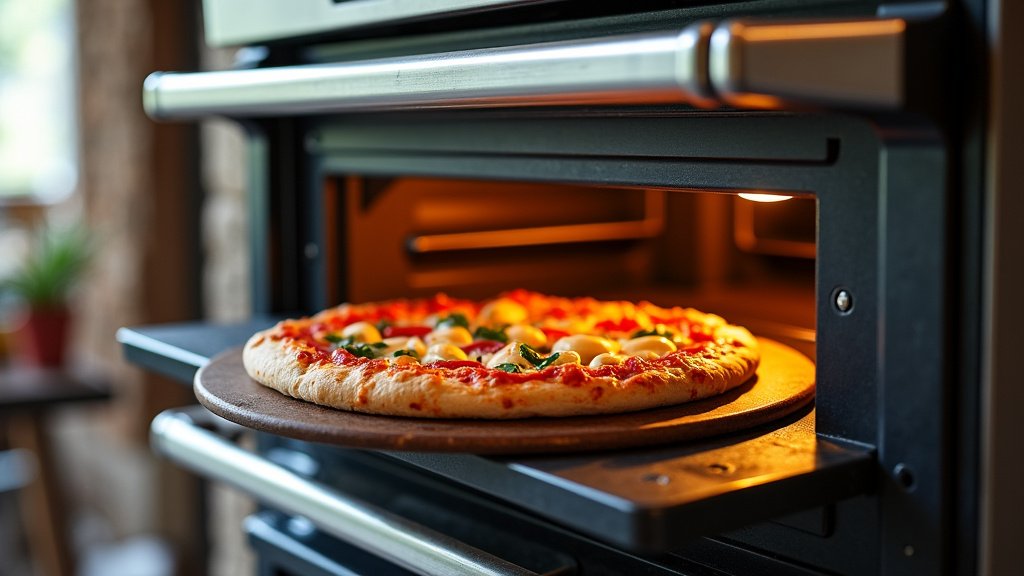
Electric pizza ovens, on the other hand, rely on heating elements. These elements warm up gradually, providing a more consistent and controlled temperature throughout the cooking chamber. Think of it like a traditional kitchen oven, but optimized for pizza.
Temperature Range and Speed: A Tale of Two Ovens
When it comes to raw power, gas ovens typically win. Many models can reach temperatures upwards of 900°F (480°C) in minutes. This extreme heat is what gives Neapolitan-style pizzas their signature blistered, airy crust in just 60-90 seconds.
Electric ovens usually operate within a range of 500-800°F (260-425°C). While this is still hot enough for delicious pizza, it generally means longer cooking times, often 2-6 minutes per pizza. This slower cook time can create a crispier, more evenly baked crust.
The Impact on Crust Style
The intense heat of a gas oven promotes the Maillard reaction and rapid leopard spotting on the crust. It helps create a pizza with a soft, chewy interior and a slightly charred, crispy exterior. This is the hallmark of an authentic Neapolitan pizza, a style known for its minimal toppings and simple flavors (Associazione Verace Pizza Napoletana).
Electric ovens, with their stable heat, are excellent for New York-style or Detroit-style pizzas. They allow for a more gradual bake, ensuring the cheese melts perfectly and the toppings cook through without burning. You get a consistently browned and crisp base.
Flavor Profile: Charred vs. Evenly Baked
Many pizza enthusiasts argue that the open flame in a gas oven imparts a unique, slightly smoky flavor to the crust. This subtle char adds a layer of complexity that some find essential for true pizza perfection.
Electric ovens offer a cleaner, more neutral flavor profile. The focus is purely on the ingredients and the even baking of the dough. If you prefer your pizza without any hint of smoke, an electric oven provides a pure canvas for your toppings.
Convenience and Ease of Use Factors
Electric ovens generally stand out for their convenience. You plug them in, set the temperature, and wait for them to preheat. There’s no dealing with gas tanks or finding outdoor space.
Gas ovens, especially portable propane models, require a gas tank. While setting it up is straightforward, you need to monitor gas levels and ensure you have proper ventilation. Some fixed gas ovens need professional installation.
Indoor vs. Outdoor Use
This is a big differentiator. Electric ovens are almost universally safe for indoor use, as they produce no open flame or combustion byproducts. They are perfect for apartments or homes with limited outdoor space.
Gas ovens, especially those with an open flame, are typically designed for outdoor use only due to ventilation requirements and carbon monoxide risks. Safety guidelines strongly recommend using them in a well-ventilated area (Consumer Product Safety Commission).
Cleaning and Maintenance
Cleaning an electric oven is often simpler. You usually just wipe down the interior and the baking stone. There’s no soot or ash to contend with.
Gas ovens, particularly those with a visible flame, can accumulate some soot. You may need to clean the stone more often, and periodically check the gas lines for safety. We found that this maintenance is not overly burdensome but requires a bit more attention.
Portability and Setup Considerations
Many electric pizza ovens are countertop models, making them very portable within your kitchen. You can move them for storage or even take them to a friend’s house easily. Their compact size is a major plus for small spaces.
Some gas ovens are also portable, especially smaller propane-powered units designed for camping or tailgating. However, the need for a gas tank can make them less convenient to move around compared to their electric counterparts. Larger built-in gas ovens are, of course, permanently situated.
Cost of Operation: Gas vs. Electricity
The operational cost varies based on local utility rates. Generally, propane can be more expensive per use than electricity, especially if you’re frequently changing tanks. However, natural gas is often a more economical fuel source.
Electricity costs are typically straightforward, calculated based on your usage and local rates. For casual home use, the difference in operating cost might be negligible, but for high-volume cooking, it’s worth considering.
Decision-Making Checklist: Which Oven is Right for You?
To help you decide, consider these key questions:
- Do you prioritize an authentic Neapolitan-style pizza with a charred crust?
- Is indoor use a must-have for your cooking setup?
- How quickly do you need your pizzas to cook?
- Are you comfortable managing gas tanks and outdoor setup?
- Do you prefer a consistent, evenly baked pizza, or one with smoky notes?
- What’s your budget for the oven itself and its long-term operation?
Summary of Key Differences: Gas vs. Electric Pizza Ovens
Here’s a quick overview of the main distinctions to help you visualize the comparison:
| Feature | Gas Pizza Oven | Electric Pizza Oven |
|---|---|---|
| Heat Source | Propane or Natural Gas | Electric Heating Elements |
| Max Temperature | Up to 950°F (510°C) | Up to 800°F (425°C) |
| Cook Time Per Pizza | 60-90 seconds (Neapolitan) | 2-6 minutes (various styles) |
| Crust Style | Blistered, airy, slight char | Consistent, crisp, even bake |
| Flavor | Often smoky/charred notes | Clean, neutral flavor |
| Use Environment | Outdoor (most models) | Indoor (most models) |
| Portability | Varies (some portable, some fixed) | Generally highly portable |
| Preheat Time | Very fast (15-20 min) | Moderate (20-30 min) |
Conclusion
Deciding between a gas and electric pizza oven truly comes down to your personal pizza-making philosophy and living situation. We’ve explored how gas offers speed and that authentic Neapolitan char, ideal for outdoor enthusiasts, while electric provides consistent, user-friendly indoor baking for a wider range of styles.
Consider your priorities: whether it’s the blistering heat and smoky flavor of gas, or the convenience and even bake of electric. By reviewing your space, desired pizza style, and how much hands-on effort you prefer, you can confidently choose the oven that will bring you the most pizza joy.
Frequently Asked Questions
Can I use a gas pizza oven indoors if I have good ventilation?
No, it’s generally not recommended to use most gas pizza ovens indoors, even with ventilation. They produce carbon monoxide and require significant open-air flow. Always follow the manufacturer’s safety guidelines, which typically specify outdoor use only.
Do electric pizza ovens cook as fast as gas ovens?
Typically, electric pizza ovens do not cook as fast as gas ovens. Gas ovens often reach much higher temperatures (900°F+) for pizzas that cook in 60-90 seconds. Electric models usually operate at lower temperatures, leading to longer cook times, often 2-6 minutes.
Which type of oven is better for beginners?
Electric pizza ovens are often considered more beginner-friendly. They offer easier temperature control, consistent heat distribution, and simpler operation (just plug and play). This allows you to focus more on your dough and toppings without managing a flame.
Is one type of pizza oven more expensive to buy initially?
The initial cost can vary widely for both gas and electric models, depending on brand, size, and features. We found that you can find entry-level options for both. High-end, larger capacity models in either category will naturally cost more.
Can I make other foods besides pizza in these ovens?
Yes, many electric pizza ovens are versatile enough for other baked goods like flatbreads, cookies, or even roasting small vegetables. Gas ovens, especially those with larger chambers, can also be used for other cooking, but their extremely high heat might require more careful monitoring for non-pizza items.
