
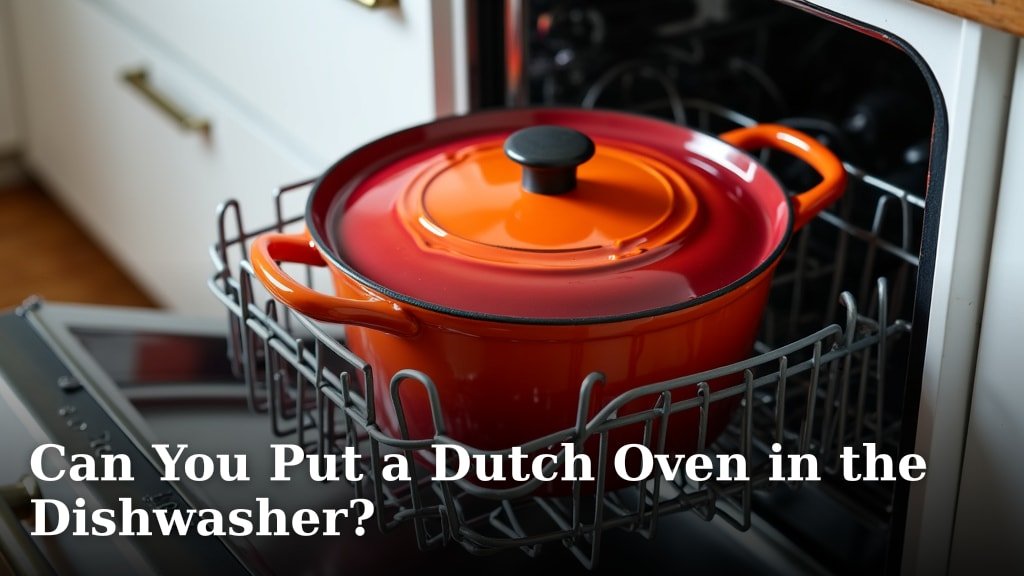
No, you generally should not put a Dutch oven in the dishwasher, especially if it’s made from traditional cast iron or has an enamel coating. The harsh detergents and high heat can damage the finish and seasoning, leading to rust or dullness.
We found that most manufacturers advise against it to preserve your cookware’s longevity. While it might seem convenient, the dishwasher environment is too aggressive for these cherished kitchen tools. You really want to protect that lovely enamel and the important non-stick seasoning.
- Dishwashers can ruin enamel.
- High heat strips cast iron seasoning.
- Detergents cause pitting and rust.
- Hand washing extends life.
- Always check manufacturer guidelines.
So, what’s the best way to keep your Dutch oven sparkling clean without risking damage? Let’s explore the proper cleaning methods and care tips to ensure your pot lasts for generations.
Can You Wash Your Dutch Oven in a Dishwasher?
No, you generally should not put your Dutch oven in the dishwasher. This applies to traditional cast iron and enamel-coated models alike. Dishwashers can cause irreparable harm to your beloved cookware.
You might be wondering why something designed to be so durable can’t handle a simple machine wash. The answer lies in the materials and the harsh dishwasher environment.
Understanding Why Dishwashers and Dutch Ovens Don’t Mix
It’s natural to want to save time on cleanup. But when it comes to Dutch ovens, the convenience of a dishwasher comes with a high cost. We found that most manufacturers strongly advise against it for very good reasons.
The combination of aggressive detergents, high water temperatures, and powerful water jets creates a perfect storm for damaging your pot.
The Problem for Enamel Dutch Ovens
Your beautiful enamel Dutch oven features a delicate glass-like coating. While incredibly durable for cooking, this enamel can be quite sensitive to the dishwasher’s harsh conditions.
- Dulling and Discoloration: The strong chemicals in dishwasher detergents can slowly erode the enamel’s shiny surface. Over time, you’ll notice it loses its luster, looking dull and faded (Le Creuset care guides confirm this).
- Chipping and Cracking: High heat from the drying cycle can cause the enamel to expand and contract too rapidly. This stress can lead to tiny hairline cracks you might not see at first. These cracks then become weak points, making the enamel more prone to chipping during everyday use.
- Water Spots and Stains: Even if the enamel doesn’t chip, you might find unsightly water spots or mineral deposits etched onto the surface. These are incredibly difficult to remove once they set in.
The Problem for Bare Cast Iron Dutch Ovens
If you own a bare cast iron Dutch oven (without an enamel coating), the dangers are even more immediate and severe.
- Seasoning Destruction: Bare cast iron relies on a thin, protective layer of polymerized oil called “seasoning.” This seasoning provides a natural non-stick surface and prevents rust. Dishwasher detergents are specifically designed to strip away grease and oil. They will utterly destroy your carefully built-up seasoning in one wash.
- Rust Formation: Once the seasoning is gone, your bare cast iron becomes highly vulnerable to rust. The moist, humid environment of a dishwasher is the perfect breeding ground for oxidation. You’ll likely pull out a rusty pot, which is no fun to deal with.
- Pitting and Deterioration: The chemicals can also cause pitting on the iron’s surface. This creates an uneven texture that makes future seasoning difficult and cooking less effective.
Manufacturer Recommendations: What the Experts Say
When in doubt, always check the care instructions that came with your Dutch oven. We found that virtually all major manufacturers — including Le Creuset, Staub, Lodge, Cuisinart, and KitchenAid — explicitly advise against dishwashing their Dutch ovens.
These companies have invested heavily in understanding their products. They provide these guidelines to help you get the longest life and best performance from your cookware. Ignoring them is often a fast track to voiding your warranty and damaging your pot.
The Right Way to Clean Your Dutch Oven
So, if the dishwasher is out, what’s the best approach? Hand washing is the only safe and recommended method for cleaning your Dutch oven.
Don’t worry, it’s usually much easier than you think. You don’t need fancy tools or harsh chemicals. The key is gentle care and prompt cleaning.
Step-by-Step Hand Washing for Enamel Dutch Ovens
Cleaning your enamel Dutch oven correctly will keep it looking new and performing beautifully for decades.
- Let it Cool: Always allow your Dutch oven to cool down completely before washing. Submerging a hot pot in cold water can cause thermal shock, leading to enamel cracking.
- Scrape Gently: Use a wooden or silicone spatula to scrape away any large food bits. Avoid metal utensils as they can scratch the enamel.
- Warm Soapy Water: Fill the pot with warm water and a few drops of mild dish soap. Let it soak for 15-20 minutes if there’s stuck-on food.
- Gentle Scrub: Use a non-abrasive sponge or dishcloth to gently scrub the interior and exterior. For stubborn spots, a nylon brush is usually safe.
- Rinse Thoroughly: Rinse all soap residue under warm running water.
- Dry Immediately: This is a crucial step! Use a clean, dry towel to thoroughly dry the entire Dutch oven, inside and out. Leftover moisture can still cause water spots or rust on exposed rim areas.
Step-by-Step Hand Washing for Bare Cast Iron Dutch Ovens
Caring for bare cast iron is slightly different because you’re protecting that precious seasoning.
- Cool Completely: Just like enamel, let your cast iron cool first.
- Scrape Food: Use a wooden or silicone scraper to remove food.
- Hot Water Rinse: Rinse the pot under hot water. For most messes, hot water and a stiff brush (not metal) are all you need. Avoid soap if possible, as it can degrade seasoning. If you must use soap, use a very small amount of mild dish soap sparingly.
- Scrub Gently: Use a non-abrasive brush or sponge. For tough stuck-on food, you can use a cast iron scraper or even coarse salt as an abrasive with a damp cloth.
- Rinse & Dry IMMEDIATELY: This is the most critical step for bare cast iron. Dry it completely with a towel. Then, place it on low heat on the stovetop for a few minutes to evaporate any remaining moisture.
- Light Oiling (Seasoning): Once completely dry and slightly warm, apply a very thin layer of neutral cooking oil (like grapeseed, canola, or flaxseed) to the entire surface, inside and out, with a paper towel. Wipe off any excess so it’s not sticky. This replenishes your seasoning.
Dealing with Stubborn Food and Stains
Sometimes you’ll have food that’s really stuck or stains that just won’t budge. Don’t reach for the dishwasher!
- Baking Soda Paste: For enamel, make a paste with baking soda and a little water. Apply it to the stain, let it sit for 15-20 minutes, then gently scrub with a non-abrasive sponge.
- Boiling Water: For either type, fill the pot with water, bring it to a boil, and simmer for 10-15 minutes. This often loosens stuck food, making it easier to scrape away.
- Plastic Scrapers: Invest in a good quality plastic pan scraper. These are designed to remove tough residue without scratching delicate surfaces.
Comparing Dishwasher vs. Hand Washing
To help you visualize the differences, here’s a quick comparison:
| Feature | Dishwasher | Hand Washing |
|---|---|---|
| Enamel Safety | ❌ Harmful (dulling, chipping) | ✅ Safe (preserves finish) |
| Seasoning (Cast Iron) | ❌ Destroys seasoning | ✅ Preserves/builds seasoning |
| Rust Prevention | ❌ Promotes rust | ✅ Prevents rust (if dried properly) |
| Cleaning Power | Strong, but too aggressive | Gentle, effective, controlled |
| Longevity of Pot | Significantly reduces life | Significantly extends life |
A Checklist for Dutch Oven Care Success
To keep your Dutch oven in top shape for years to come, keep this simple checklist in mind:
- Allow your Dutch oven to cool completely before washing.
- Never put it in the dishwasher, whether it’s enamel or bare cast iron.
- Always use mild dish soap and non-abrasive tools like sponges or nylon brushes.
- For bare cast iron, minimize soap use and re-oil after each wash.
- Dry your Dutch oven immediately and thoroughly to prevent water spots and rust.
- Store it in a dry place, perhaps with a paper towel between the lid and pot for air circulation.
Following these simple guidelines will ensure your Dutch oven remains a reliable and beautiful piece of cookware in your kitchen.
Conclusion
While the allure of dishwasher convenience is strong, it’s clear that your Dutch oven truly thrives with a little extra care. You’ve learned that hand washing is the golden rule for preserving its beauty and functionality, whether it’s enameled or bare cast iron. Protecting that delicate enamel and precious seasoning means your pot will perform better and last longer.
By following our simple hand-washing steps and always drying thoroughly, you’re not just cleaning a pot; you’re investing in a kitchen heirloom. So, next time you finish cooking a delicious meal, give your Dutch oven the gentle hand wash it deserves. You’ll thank yourself for years to come.
Frequently Asked Questions
Can a Dutch oven go in the dishwasher if the manufacturer says it’s dishwasher safe?
Even if a manufacturer claims “dishwasher safe,” we found that this often means the pot will survive, but its finish and longevity may still be compromised. For the best care, hand washing is always recommended to maintain your Dutch oven’s appearance and performance over time.
What’s the biggest risk for an enamel Dutch oven in the dishwasher?
The biggest risk for an enamel Dutch oven in the dishwasher is the dulling and potential chipping of its beautiful, glass-like coating. Harsh detergents erode the surface, and high heat can cause thermal shock, leading to unseen cracks that eventually chip.
How can I tell if my cast iron Dutch oven is bare or enameled?
Bare cast iron typically has a dark, matte, slightly textured surface, often black or dark gray. Enameled cast iron will have a smooth, glossy finish, usually in a variety of colors, and sometimes a creamy interior.
What if I accidentally put my Dutch oven in the dishwasher once?
If you accidentally dishwashed it once, don’t panic. For enamel, check for dullness or chips. For bare cast iron, you’ll likely need to re-season it immediately after drying thoroughly to prevent rust. One wash usually isn’t catastrophic, but continued dishwashing will cause damage.
Can I use steel wool or abrasive scrubbers on my Dutch oven?
No, you should never use steel wool or other harsh abrasive scrubbers on either enamel or bare cast iron Dutch ovens. These can scratch the enamel, removing its shine, or strip away the seasoning on bare cast iron, leaving it vulnerable to rust.
