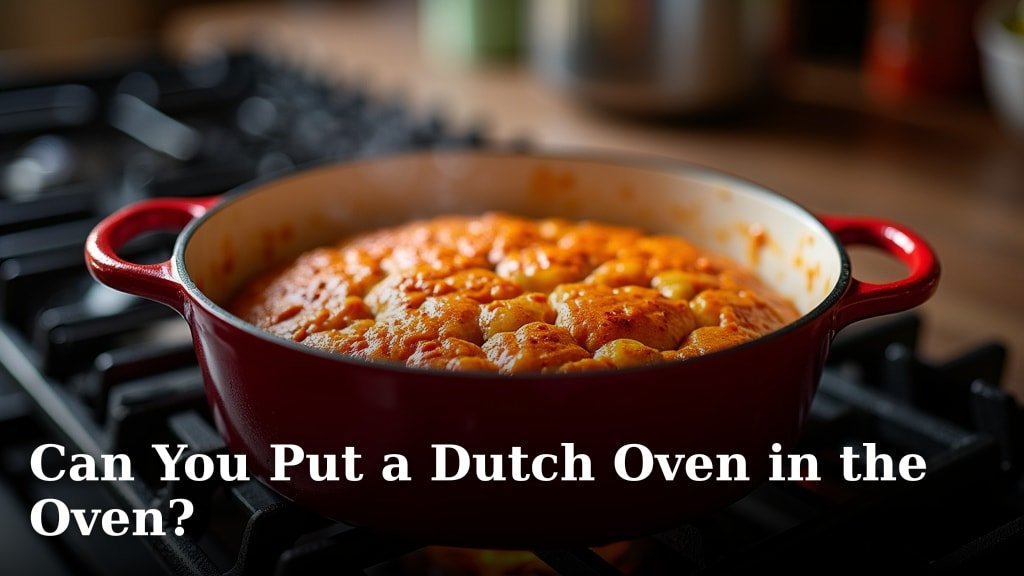
Yes, you can absolutely put a Dutch oven in the oven. These versatile pots are designed for oven use. Their heavy construction and tight-fitting lids make them perfect for many recipes.
We found that most Dutch ovens are oven-safe up to high temperatures. This allows you to cook everything from roasts to bread. Knowing your pot’s limits helps you cook safely and effectively.
- Most Dutch ovens are oven-safe.
- Check your pot’s specific temperature limits.
- Cast iron and enamel are built for high heat.
- Use your Dutch oven for baking, roasting, and braising.
Ready to get cooking? We’ll walk you through everything you need to know about using your Dutch oven in the oven, ensuring perfect results every time.
Using Your Dutch Oven in the Oven: The Full Story
Yes, your Dutch oven is a true oven workhorse! These pots are specially made to handle the heat of your oven. You can bake, roast, braise, and stew with confidence.
The key is understanding your specific pot. Different materials and handles have different temperature limits. Let’s explore what makes them so good for oven cooking.
Why Dutch Ovens Excel in the Oven
Dutch ovens aren’t just pretty cookware; they’re designed for serious oven duty. Their construction lends itself perfectly to even heating and moisture retention. This means better results for your meals.
Heat Distribution and Retention
The heavy material of a Dutch oven is its superpower. Whether it’s bare cast iron or enameled, the thick walls absorb heat slowly. Then, they release it gently and evenly around your food.
This even heat prevents hot spots that can burn food. It also keeps temperatures stable, which is great for slow cooking. Imagine perfectly tender roasts every time!
Moisture Retention for Juicy Dishes
Ever notice how heavy a Dutch oven lid is? That’s not just for show. The tight-fitting lid creates a seal. This traps steam and moisture inside the pot.
Why is this good? It means your food stays incredibly juicy. Braised meats become fall-off-the-bone tender. Bread gets that amazing, crackly crust. It’s like a mini, self-basting oven within your oven.
Understanding Dutch Oven Materials and Oven-Safe Temperatures
Not all Dutch ovens are created equal, especially when it comes to oven temperatures. Knowing what your pot is made of helps you use it safely and effectively. We found that material is the biggest factor in temperature limits.
Enameled Cast Iron Dutch Ovens
These are perhaps the most popular type. They feature a cast iron core with a glassy enamel coating. This coating makes them easier to clean and prevents rust.
We found most enameled cast iron Dutch ovens are oven-safe up to 450°F to 500°F (232°C to 260°C). Always check your specific brand’s manual. High heat can sometimes cause enamel to discolor or crack over time, though this is rare with quality brands.
Bare Cast Iron Dutch Ovens
These are the rugged, no-frills versions. They require seasoning, but they’re incredibly durable. Many outdoor enthusiasts prefer them.
Bare cast iron Dutch ovens are generally oven-safe to much higher temperatures, often up to 700°F (370°C) or even more. The main limit here is usually the oven itself, not the pot. Just be sure the lid knob, if any, is also metal or very heat-resistant.
Ceramic and Stoneware Dutch Ovens
While less common, some Dutch ovens are made from ceramic or stoneware. These are often beautiful and can go from oven to table.
Their oven-safe temperatures vary widely. Some might only go up to 350°F (175°C), while others can handle 500°F (260°C). It is critical to check the manufacturer’s guidelines for these materials. Thermal shock can be a concern, so avoid extreme temperature changes.
The Crucial Role of Dutch Oven Lids and Knobs
Your Dutch oven’s body might be tough, but don’t forget about the lid! The knob on top is often the weakest link regarding oven temperature. We’ve seen many people overlook this detail.
Types of Lid Knobs and Their Limits
Lid knobs come in different materials. This greatly impacts their heat tolerance.
- Phenolic (Plastic) Knobs: These are common, especially on more affordable models. They usually have a lower temperature limit, often around 350°F to 400°F (175°C to 205°C). Exceeding this can cause them to melt or become brittle.
- Stainless Steel Knobs: These are much more heat-resistant, often matching the pot’s maximum temperature. They can usually go up to 500°F (260°C) or higher.
- Cast Iron Knobs: If your Dutch oven has a cast iron knob, you’re in luck! These can handle very high temperatures, similar to the pot itself.
When to Remove or Replace Your Knob
If your recipe calls for very high heat (like baking bread at 450°F or higher), and you have a phenolic knob, you have options:
- Remove it: Many knobs are screwed on. You can simply unscrew it before placing the pot in the oven. Just be careful when removing the lid later – it will be very hot!
- Replace it: Some brands sell metal replacement knobs. This is a great upgrade if you frequently cook at high temperatures.
- Use a different lid: If you have another oven-safe lid that fits, you could use that for high-temp cooking.
Always prioritize safety. A melted knob is a real mess and can ruin your cooking experience.
Tips for Oven Roasting and Baking with Your Dutch Oven
Now that you know your pot’s limits, let’s talk about getting the best results. Using a Dutch oven in the oven is straightforward, but a few pointers can make a big difference.
Here’s a quick checklist for oven success:
- Always preheat your Dutch oven if the recipe calls for it (especially for bread).
- Use oven mitts – the entire pot will be extremely hot.
- Place it on a sturdy oven rack in the center for even cooking.
- Avoid extreme temperature changes to prevent thermal shock (e.g., don’t put a hot pot directly into cold water).
- Check the manufacturer’s care instructions for cleaning after use.
Preheating and Temperature Control
For many recipes, especially bread, preheating your empty Dutch oven with the lid on is key. This gets the pot screaming hot, creating an amazing crust. We often find that a preheated pot makes a big difference.
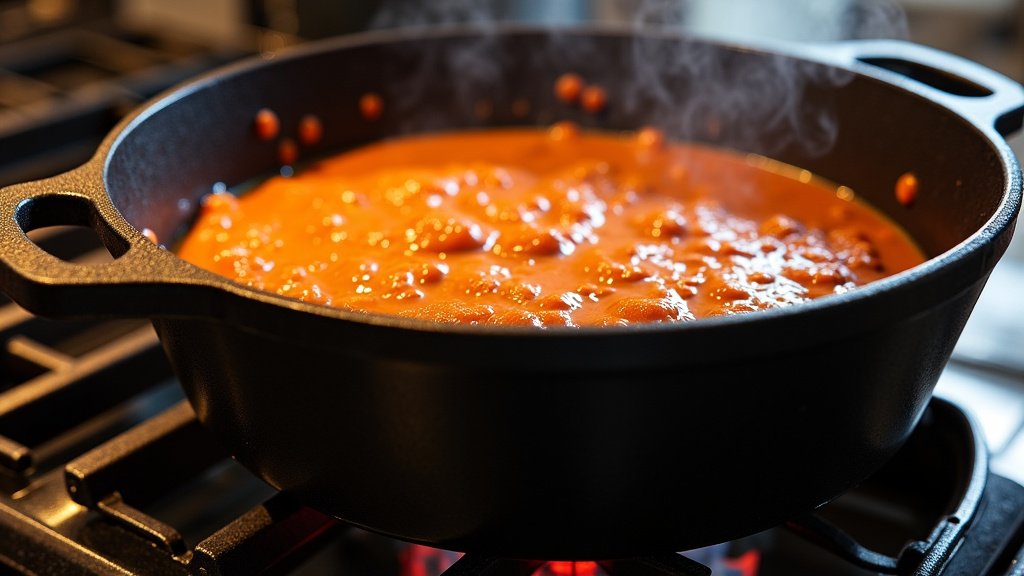
When roasting meats, you might start the roast on the stovetop to sear it, then transfer the whole pot to the oven. The Dutch oven will maintain a stable temperature, gently cooking your food.
Safety First: Handling Hot Dutch Ovens
A hot Dutch oven is no joke. Cast iron holds heat for a long time. Always use dry, thick oven mitts or heat-resistant gloves when handling it. Be careful when lifting the lid, as a burst of hot steam can escape.
Place your hot Dutch oven on a trivet or heat-safe surface. Never put it directly on a countertop that could be damaged by extreme heat. A little caution goes a long way here.
Comparing Dutch Oven Oven-Safe Temperatures by Material
To give you a clearer picture, we’ve put together a simple table. This helps summarize the general temperature ranges you can expect for different Dutch oven materials. Remember, these are general guidelines; always consult your specific product manual.
| Material Type | Typical Oven-Safe Temperature Range | Common Lid Knob Limit | Notes |
|---|---|---|---|
| Enameled Cast Iron | 450°F – 500°F (232°C – 260°C) | 350°F – 500°F (Phenolic vs. Metal) | Great for most baking/roasting. Check knob limit. |
| Bare Cast Iron | 700°F+ (370°C+) | Matches pot or oven limit (if metal) | Very high heat tolerant. Seasoning needed. |
| Ceramic / Stoneware | 350°F – 500°F (175°C – 260°C) | Varies greatly | Check brand for exact limits. Avoid thermal shock. |
As you can see, most Dutch ovens are incredibly versatile. They are built for oven use. The main takeaway is to know your pot and its components. Happy cooking!
Conclusion
So, can you put a Dutch oven in the oven? Absolutely! We’ve found that these kitchen powerhouses are designed for it. You now understand the critical factors: your Dutch oven’s material and, crucially, its lid knob. Always check those manufacturer guidelines. By knowing your pot’s limits, you can confidently roast, bake, and braise. This ensures delicious results every time. Go ahead, put that Dutch oven to work and elevate your cooking!
Frequently Asked Questions
Can a Dutch oven go in the oven with the lid on?
Yes, you can cook with the lid on. The tight-fitting lid helps trap moisture. This is ideal for braising meats or baking no-knead bread. Just make sure your lid knob is oven-safe at the temperature you’re using.
At what temperature do Dutch oven knobs melt?
Phenolic (plastic) Dutch oven knobs typically melt or degrade around 350°F to 400°F (175°C to 205°C). We recommend checking your specific brand’s instructions. Metal knobs, like stainless steel or cast iron, can withstand much higher temperatures.
Do I need to preheat a Dutch oven before putting it in the oven?
It depends on your recipe. For baking bread, preheating an empty Dutch oven is often essential. This creates a super-hot cooking environment for a crispy crust. For other dishes, like roasts, preheating isn’t always necessary unless specified.
Can a Dutch oven go from stove to oven?
Yes, most Dutch ovens are designed to go from stovetop to oven seamlessly. This makes them incredibly versatile for searing meats, then finishing them slowly in the oven. Always use oven mitts when transferring. Avoid extreme temperature changes, like going from very hot to very cold quickly, to prevent thermal shock.
How do I know if my Dutch oven is oven-safe?
The best way to tell is by checking the manufacturer’s instructions or the product manual. We found that most Dutch ovens are oven-safe. However, specific temperature limits vary by material (enameled cast iron, bare cast iron, ceramic) and the material of the lid knob.