
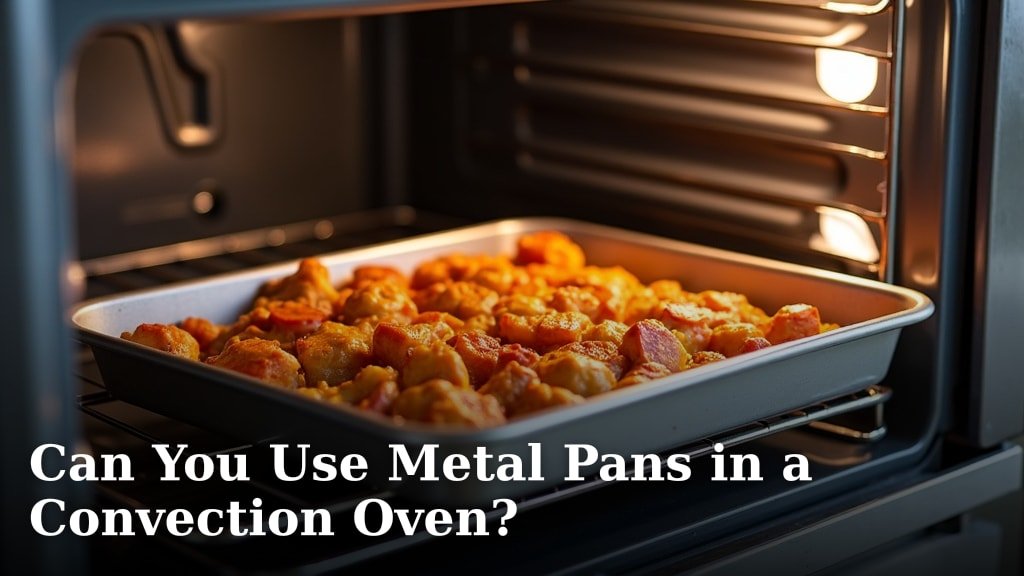
Yes, you can absolutely use metal pans in a convection oven! In fact, metal pans are often the best choice for convection cooking because they conduct heat so well. This helps you get that lovely browning and crisping you’re looking for.
Convection ovens work by circulating hot air, which cooks food more evenly and often faster than a traditional oven. Using the right cookware, like metal baking sheets or casserole dishes, helps you take full advantage of this efficient cooking method. Just be mindful of a few things to get the best results.
- Metal pans are generally safe for convection ovens.
- They help food cook and brown more evenly.
- Adjusting cooking time and temperature is often necessary.
- Dark metal pans absorb more heat, browning food faster.
- Avoid covering pans too tightly to allow air circulation.
Let’s dive into the details and find out exactly how to get the most out of your metal pans in a convection oven. We’ll cover everything you need to know for perfect results every time.
Why Metal Pans are Your Convection Oven’s Best Friend
You might be wondering why metal pans are so often recommended for convection cooking. It all comes down to how they interact with heat and the unique way a convection oven works.
Convection ovens use fans to circulate hot air around your food. This creates a very even cooking environment and can speed up the cooking process. Metal is an excellent conductor of heat, which means it quickly absorbs and distributes that circulating hot air to your food.
The Science Behind the Sizzle
Think of it like this: when hot air hits a metal pan, the pan heats up fast. This heat then transfers directly to the food inside, promoting quick and even cooking and browning. It’s a team effort between the oven and your cookware.
Plastic or glass, on the other hand, don’t conduct heat as efficiently. They can create a barrier between the circulating hot air and your food, potentially slowing down the cooking or leading to less uniform results.
Speedy Cooking and Superior Browning
One of the biggest advantages of metal pans in a convection oven is how they help you achieve that perfect browning and crispiness. Whether you’re roasting vegetables or baking cookies, metal helps food develop a beautiful, golden-brown crust.
We’ve found that for things like roasted chicken or crispy fries, metal baking sheets really shine. They make sure the bottom of your food gets just as much attention as the top (USDA).
Choosing the Right Metal Pan for Your Convection Oven
Not all metal pans are created equal, especially when it comes to convection cooking. While most are safe, certain types will give you better results than others.
The material, color, and even the shape of your pan can influence how your food cooks. Let’s look at what to consider when you’re picking out your cookware.
Material Matters: Aluminum vs. Stainless Steel
When you’re shopping for metal pans, you’ll mostly see aluminum and stainless steel options. Both work well in a convection oven, but they have subtle differences.
- Aluminum: Excellent heat conductor. Heats up quickly and cools down fast. Often lighter and more affordable. Great for baking and general roasting.
- Stainless Steel: Durable and non-reactive. Good heat retention, but may not heat as evenly as aluminum. Excellent for casseroles and dishes that need to hold heat.
For most everyday convection cooking, either material will serve you well. Many home cooks prefer aluminum for its quick heating properties.
The Impact of Pan Color
Did you know the color of your metal pan can affect your cooking? It’s true! This is especially important in a convection oven where heat is so efficiently distributed.
- Darker Pans: Absorb more heat. They can lead to faster browning and crisping. Be careful, as this means your food might cook faster, too, potentially leading to over-browning if you don’t adjust your time.
- Lighter Pans: Reflect more heat. They tend to cook food more gently and are less likely to over-brown. These are often a good choice for delicate baked goods.
When you’re using dark pans, we often find it’s a good idea to slightly reduce your oven temperature or cooking time to prevent overcooking the outside before the inside is done.
Comparing Pan Types
Here’s a quick look at how different metal pan types often perform in a convection oven:
| Pan Type | Best For | Convection Oven Performance |
|---|---|---|
| Aluminum Baking Sheets (Light-colored) | Cookies, delicate pastries, sheet pan dinners | Even baking, good browning without overdoing it |
| Dark Metal Roasting Pans | Roasts, root vegetables | Excellent browning and crisping, may require temperature adjustment |
| Stainless Steel Casserole Dishes | Casseroles, gratins, dishes needing sustained heat | Even cooking, good heat retention, durable |
| Cast Iron Skillets | Searing, cornbread, dishes needing high, direct heat | Exceptional browning, holds heat very well, can be heavy |
No matter the type, always ensure your pan is oven-safe for the temperatures you’ll be using. Most metal pans are designed to handle high oven temperatures.
Tips for Using Metal Pans in a Convection Oven
Using metal pans in a convection oven is generally straightforward, but a few simple adjustments can make a big difference in your results. It’s all about playing to the strengths of your oven and your cookware.
Temperature and Time Adjustments
Because convection ovens circulate hot air, they often cook food faster and at slightly lower temperatures than conventional ovens. When using metal pans, this effect can be even more pronounced.
A common rule of thumb is to reduce the cooking temperature by about 25°F (about 15°C) or reduce the cooking time by 25% (Epicurious). You might even do both! For instance, if a recipe calls for 350°F for 30 minutes in a conventional oven, try 325°F for 22-25 minutes in a convection oven.
Always keep an eye on your food, especially the first few times you try a new recipe in your convection oven. Every oven is a little different.
Allowing for Airflow
The magic of a convection oven is that circulating hot air. If you cram your oven with too many pans or cover them too tightly, you block that airflow. This defeats the purpose of convection cooking!
Always leave some space between your pans and the oven walls. If you’re using multiple pans, try to arrange them so that air can flow freely around all sides. If you’re using foil, try to tent it rather than sealing it tightly.
We’ve found that using low-sided baking sheets is great for maximizing airflow around items like cookies or roasted vegetables. It lets the hot air really get to work.
The Benefits of Preheating
Just like a conventional oven, preheating your convection oven is important. It ensures the oven cavity and your metal pan reach the desired temperature before you introduce your food.
Metal pans heat up quickly, so they’ll be ready to go once your oven beeps. This initial blast of even heat helps food cook properly from the moment it enters the oven.
Common Mistakes to Avoid
Even with the best intentions, it’s easy to make a small error that can impact your convection cooking. Being aware of these common pitfalls will help you get better results.
Remember, it’s a learning process. Don’t be afraid to experiment a little.
Overcrowding the Oven
We touched on this, but it bears repeating: don’t overcrowd your oven. It’s probably the most common mistake home cooks make with convection. Blocking that airflow means your food won’t cook evenly or get that signature convection crispiness.
If you have a lot of food to cook, it’s often better to do it in batches rather than trying to fit everything in at once. Patience truly is a virtue in this case.
Forgetting to Adjust Recipes
It’s tempting to follow a recipe exactly as written. However, if that recipe was developed for a conventional oven, you’ll need to make those temperature and time adjustments we discussed. Otherwise, you risk overcooked or dried-out food.
Always remind yourself: “This is a convection oven!” before you start cooking. A small adjustment can save your meal.
Checklist for Convection Oven Success with Metal Pans
Here’s a quick reminder of what to keep in mind for great results:
- Choose the right pan color for your recipe (dark for browning, light for gentle baking).
- Reduce oven temperature by 25°F from conventional recipes.
- Shorten cooking time by about 25% and check early.
- Ensure ample airflow around pans in the oven.
- Use a single rack for best results, if possible, to avoid blocking flow.
- Preheat thoroughly for even cooking from the start.
Conclusion
So, there you have it! Using metal pans in your convection oven is not only safe but often the best way to achieve fantastic cooking results. By understanding how metal interacts with the circulating hot air, you can harness its power for speedy cooking and superior browning.
Remember to make those small but mighty adjustments to temperature and time, and always prioritize airflow. You’ve got the knowledge now to make your convection oven and metal pans a dream team.
Go ahead, experiment with your favorite recipes and enjoy perfectly cooked food every time!
Frequently Asked Questions
Can I use aluminum foil in a convection oven?
Yes, you can use aluminum foil in a convection oven. It’s great for covering dishes to prevent over-browning or for lining pans for easy cleanup. Just make sure you don’t seal it too tightly; leave some space for air to circulate.
Will my food cook faster in a convection oven with metal pans?
Absolutely, food generally cooks faster in a convection oven, especially when paired with efficient metal pans. The circulating hot air and excellent heat conduction mean you’ll often need to reduce cooking times by about 25% compared to a conventional oven.
Are there any metal pans I should avoid in a convection oven?
Most common metal pans like aluminum, stainless steel, and cast iron are perfectly safe. However, avoid any metal pans with plastic handles or non-oven-safe components that could melt or degrade at high temperatures. Always check the manufacturer’s recommendations for oven safety.
Does the size of my metal pan matter for convection cooking?
Yes, the size of your pan can make a difference. Using a pan that’s too large for the amount of food can lead to drying out, while one that’s too small might overcrowd the food. More importantly, ensure there’s enough space around the pan for air to circulate freely.
How do I prevent my food from burning on the bottom in a convection oven with metal pans?
If you’re noticing burning on the bottom, especially with dark metal pans, try reducing your oven temperature by 25°F or slightly shortening the cooking time. You can also try using a lighter-colored metal pan or placing your pan on a slightly higher rack in the oven.
