
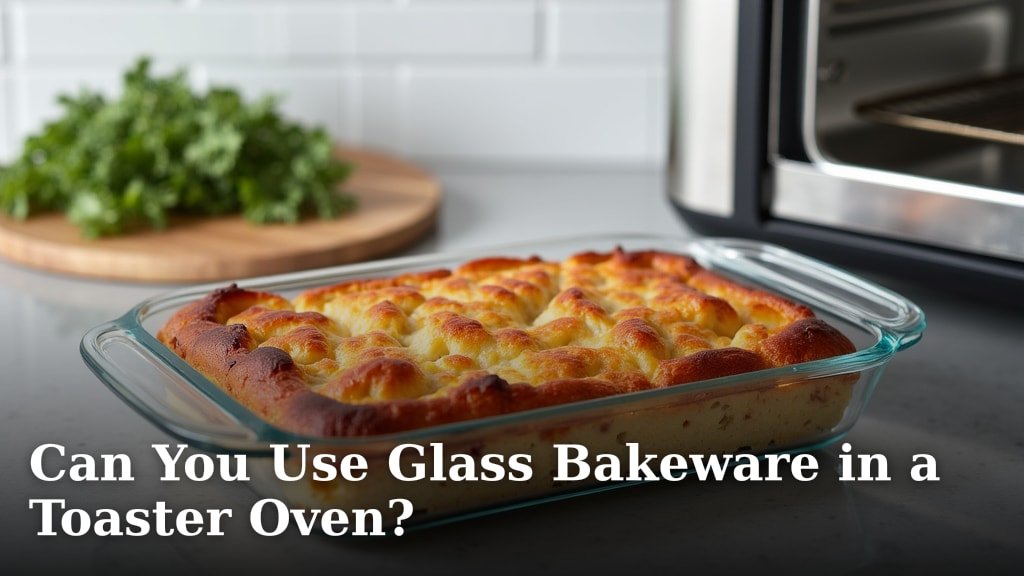
Yes, you can absolutely use glass bakeware in a toaster oven, but there are some important things to consider first. The key is knowing what type of glass you have and understanding your toaster oven’s capabilities.
Many folks worry about glass breaking under high heat. While that’s a valid concern, most modern glass bakeware is designed for oven use. You’ll want to check for specific markings to ensure it’s safe for your small appliance.
- Verify your glass bakeware is “oven safe.”
- Avoid extreme temperature changes.
- Never use glass on the broiler setting.
- Ensure the bakeware fits with clearance.
So, let’s dive into the details. We’ll walk through exactly how to safely use your glass dishes in a toaster oven, helping you avoid any mishaps.
Using Glass Bakeware in Your Toaster Oven: The Essentials
So, you’re ready to use your trusty glass dish in your compact toaster oven? Great! It’s entirely possible and safe when you know the right steps.
The main goal is to prevent thermal shock, which is when glass rapidly changes temperature and can cause it to break. We want to avoid that at all costs.
Understanding Oven-Safe Glass
Not all glass is created equal, especially when it comes to heat. You need to identify what kind of glass bakeware you own.
Tempered glass is the best for baking. It’s been heat-treated to make it much stronger and more resistant to temperature changes than regular glass. Most modern bakeware falls into this category.
Look for markings like “oven safe,” “Pyrex,” “CorningWare,” or a temperature rating on the bottom of your dish. If it doesn’t say “oven safe,” it’s best to assume it’s not suitable for baking (USDA).
What about ceramic or stoneware? While not glass, these materials are often used for baking and are generally safe for toaster ovens. They also need to be marked “oven safe.”
The Dangers of Non-Tempered Glass
Using regular, non-tempered glass, like a drinking glass or a fancy decorative bowl, in a hot oven is a big no-no. These items aren’t designed to withstand high, sustained temperatures or rapid heat shifts.
The stress can cause them to crack, shatter, or even explode. This isn’t just inconvenient; it can be dangerous, creating sharp shards and a big mess.
Checking the Fit and Clearance
Before you even think about preheating, make sure your glass bakeware actually fits inside your toaster oven. This sounds obvious, but it’s a critical step many people overlook.
There needs to be enough space around the dish. You want at least half an inch of clearance on all sides: top, bottom, and especially the sides.
Why is this important? Proper airflow is key for even cooking. Without it, your food might cook unevenly, and the glass itself could experience hotspots, increasing the risk of thermal shock.
Imagine trying to cook a cake that’s touching the top heating element – not good! The food can burn, and the glass can overheat in that specific spot.
Preheating: A Gentle Start is Best
This is where thermal shock comes into play. You don’t want to place a cold glass dish into a super-hot toaster oven.
Always preheat your toaster oven before putting the glass bakeware inside. This allows the oven’s temperature to stabilize.
Then, let your glass dish come to room temperature if it’s been in the fridge or freezer. Never take a dish directly from the freezer and put it into a hot oven.
Many experts, including those in culinary safety, emphasize this gradual temperature change to maintain the integrity of glass bakeware (Good Housekeeping Institute).
Setting the Right Temperature: Don’t Overdo It
Toaster ovens can get very hot, very quickly. While glass bakeware is oven-safe, there are limits.
It’s generally recommended to keep your toaster oven temperature below 400°F (200°C) when using glass bakeware. Some sources even suggest staying below 350°F (175°C) for extra caution.
While tempered glass can handle higher temperatures, the confined space and often intense direct heat of a toaster oven can be more strenuous than a larger conventional oven.
Also, avoid placing glass bakeware directly on a hot oven rack. If your toaster oven has a broiler setting, do not use glass bakeware under it. The intense, direct heat from the broiler can cause glass to shatter.
Cooling Down Safely
Just like heating up, cooling down needs to be gradual too. Once your food is cooked, resist the urge to place the hot glass dish on a cold surface.
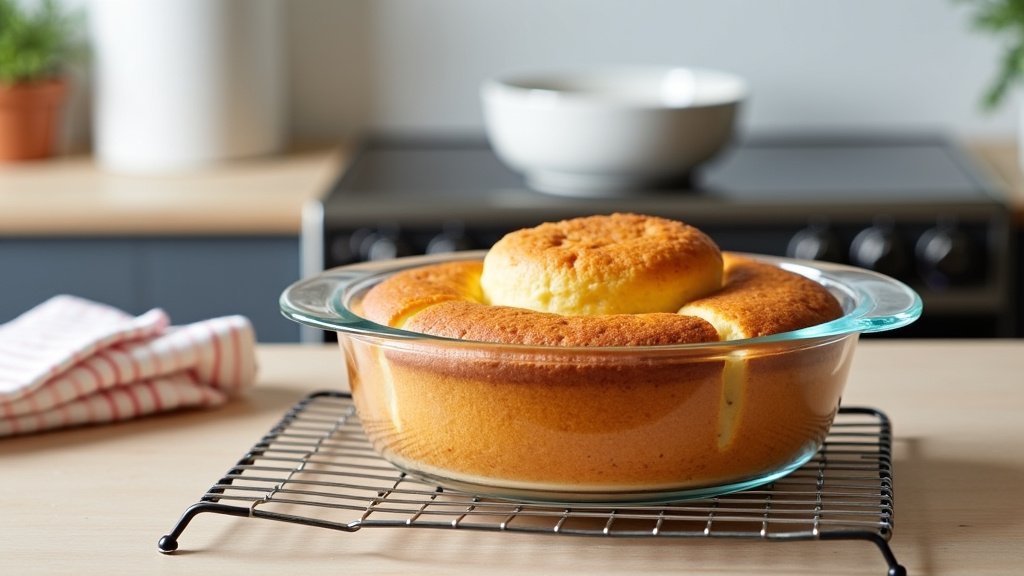
Don’t put it directly on a granite countertop, a cold metal sink, or in cold water. Use a wire cooling rack, a trivet, or a heat-resistant cutting board.
This allows the glass to cool down slowly and evenly. A sudden drop in temperature can still lead to thermal shock, even after it’s out of the oven.
We want to protect your bakeware for many more delicious meals!
Troubleshooting Common Concerns
Sometimes things don’t go as planned, right? Let’s look at a few common questions.
What if my glass dish cracks?
If your glass dish cracks, stops using it immediately. Even small cracks can expand with heat, leading to breakage. It’s safer to discard it and replace it with a new, intact dish.
Is Pyrex always safe?
Original Pyrex, made from borosilicate glass, was incredibly resistant to thermal shock. Modern Pyrex sold in the US since the 1950s is typically made from tempered soda-lime glass. While still “oven safe,” it’s not quite as resistant to extreme temperature changes as the older borosilicate versions (Consumer Reports).
Always check for the “oven safe” label, regardless of the brand name. When in doubt, err on the side of caution.
A Quick Checklist for Toaster Oven Glass Baking
Here’s a handy checklist to keep your baking experience smooth and safe:
- Is your glass bakeware clearly marked “oven safe”? If not, choose another dish.
- Does the dish fit with at least ½ inch clearance on all sides?
- Is the toaster oven preheated before placing the dish inside?
- Is the glass bakeware at room temperature before going into the oven?
- Are you avoiding temperatures above 400°F (200°C) and never using the broiler?
- Do you have a cooling rack or trivet ready for when it comes out of the oven?
Comparing Bakeware Materials for Toaster Ovens
While glass is a great option, it’s helpful to see how it stacks up against other materials you might use in your toaster oven. Each has its pros and cons.
| Bakeware Material | Pros for Toaster Oven | Cons for Toaster Oven | Best Uses |
|---|---|---|---|
| Glass (Tempered) | Heats evenly, easy to clean, non-reactive, allows visual monitoring of food. | Risk of thermal shock if misused, can shatter if dropped, heavy. | Casseroles, lasagna, baked goods, reheating leftovers. |
| Metal (Aluminum/Steel) | Heats quickly, lightweight, durable, conducts heat well for browning. | Can scratch easily, reactive with acidic foods (aluminum), some hot spots. | Cookies, roasting vegetables, pizzas, small sheet pan meals. |
| Ceramic/Stoneware | Excellent heat retention, non-reactive, often attractive for serving. | Can be heavy, takes longer to heat up, also susceptible to thermal shock. | Gratins, individual pot pies, slow-baked dishes. |
| Silicone | Non-stick, flexible, easy to clean, generally safe at high temperatures. | Can feel flimsy, sometimes produces less browning, absorbs odors over time. | Muffins, cupcakes, small bread loaves, delicate baked items. |
As you can see, each material has its place. For general baking and reheating where you want to see what’s happening, tempered glass is a fantastic choice, provided you follow the safety guidelines we’ve discussed.
Conclusion
So, can you use glass bakeware in your toaster oven? Absolutely, when you know how to do it safely! You’ve learned the critical steps: confirming your glass is oven-safe, ensuring proper fit and airflow, preheating gently, and cooling carefully. By following these guidelines, you protect your bakeware and, more importantly, yourself. Treat your glass dishes with respect, and they’ll serve you well in your toaster oven for countless delicious meals. Now, go forth and bake with confidence!
Frequently Asked Questions
Can I put a glass baking dish straight from the fridge into a preheated toaster oven?
No, it’s best to avoid this. Placing a cold glass dish directly into a hot oven can cause thermal shock. Always allow your glass bakeware to come to room temperature first to prevent it from cracking or shattering.
What if my toaster oven doesn’t have a temperature setting, only “light,” “medium,” and “dark”?
If your toaster oven lacks precise temperature control, it’s safer to avoid using glass bakeware. The unpredictable temperature fluctuations increase the risk of thermal shock. Stick to metal bakeware in such cases, as it’s more forgiving with inconsistent heat.
Is it safe to cover glass bakeware with aluminum foil in a toaster oven?
Yes, covering glass bakeware with aluminum foil in a toaster oven is generally safe. The foil helps to prevent the top of your food from over-browning. Just make sure the foil doesn’t touch the heating elements directly.
Can I use vintage Pyrex in my toaster oven?
Vintage Pyrex (borosilicate glass) is generally more resistant to thermal shock than modern soda-lime glass versions. However, always inspect it for any cracks or chips before use. Even with its durability, extreme temperature changes should still be avoided.
My toaster oven manual says not to use glass. Should I ignore it?
No, you should always follow your toaster oven’s manufacturer guidelines. If the manual explicitly states not to use glass bakeware, there might be specific design elements or heating mechanisms that make it unsafe. Prioritize the manufacturer’s recommendations for your safety.
