
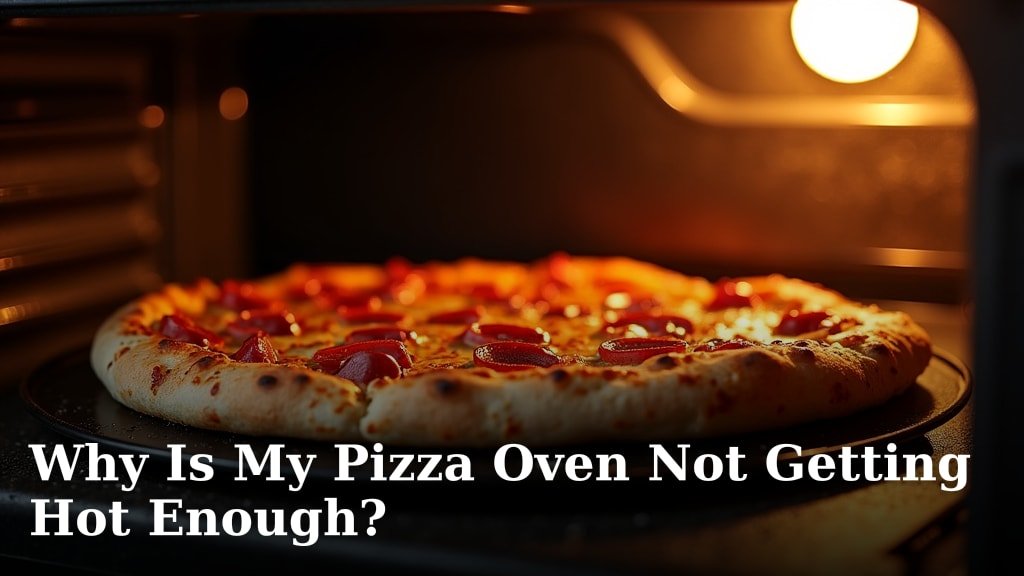
Your pizza oven is not getting hot enough primarily because of improper preheating, a lack of fuel or inconsistent fuel supply, or issues with its design like a poorly insulated door. These common problems prevent your oven from reaching the high temperatures needed for perfect pizza.
You’ve preheated, you’ve checked the fuel, but your delicious pizza still isn’t cooking right, leaving you with a soggy crust. We understand how frustrating this can be when you’re ready to enjoy homemade pizza. We found that most issues stem from basic operational oversights or simple maintenance needs.
- Preheating your oven long enough is key.
- Check your fuel source and supply.
- Your oven’s door needs to seal well.
- Proper insulation helps keep heat inside.
- Don’t overload your oven with too much pizza.
Let’s walk through exactly why your pizza oven might be struggling to reach those scorching temperatures and how you can fix it. You’ll be making crispy, restaurant-quality pizzas in no time.
Common Reasons Your Pizza Oven Isn’t Heating Up
Is your pizza oven leaving you with a lukewarm crust instead of a perfectly charred base? We understand that feeling. We found that most issues boil down to a few common culprits. Let’s break down why your oven isn’t reaching its potential and how you can get it back on track.
Preheating: Are You Giving It Enough Time?
This is often the biggest reason for a cool oven. Think of your pizza oven like a marathon runner. It needs a good warm-up. Many people underestimate how long it truly takes for a pizza oven to get up to temperature. You need more than just hot air; the oven’s internal structure and cooking surface need to absorb and retain heat.
The Importance of Soaking Heat
You might see the thermometer reading high, but that doesn’t mean the oven is ready. The heat needs to “soak” into the pizza stone or cooking surface. This soaking period ensures a consistent, intense heat that crisps your pizza base quickly. Without it, your pizza will cook slowly and likely turn out soggy. We’ve observed that some ovens need up to an hour or more to properly preheat (Consumer Reports).
- Always check your oven’s manual for specific preheating times.
- Allow extra time on colder days or if your oven is new.
- Use an infrared thermometer to measure the stone’s surface temperature, not just the ambient air. Aim for 750-900°F (400-480°C).
Fuel Supply: Is It Sufficient and Consistent?
The type and amount of fuel you’re using play a critical role in your oven’s performance. Whether you use wood, propane, or natural gas, an interrupted or inadequate supply can prevent your oven from reaching peak temperatures. It’s like trying to run a car on an empty tank.
Wood-Fired Ovens: Wood Quality and Quantity
For wood-fired ovens, the quality and type of wood are paramount. You need seasoned hardwood, not fresh or soft wood. Fresh wood has high moisture content, which creates more smoke and less heat. Softwoods like pine burn quickly and don’t produce sustained high temperatures.
- Use kiln-dried hardwood like oak, maple, or cherry. These burn hotter and longer.
- Ensure your wood pieces are small enough to burn efficiently and not smother the flame.
- Continuously feed the fire to maintain a consistent heat source. Don’t let it die down too much between additions.
Gas Ovens: Pressure and Regulator Issues
If you have a gas-powered oven, low gas pressure or a faulty regulator can be the problem. A regulator controls the flow of gas to your burners. If it’s not working correctly, your oven won’t get enough fuel to heat up properly. We found that low gas in the tank is a surprisingly common issue. If you are considering a new appliance, our guide to the best gas pizza oven can help you choose a model that heats efficiently.
Here’s a quick checklist for gas ovens:
- Is your propane tank nearly empty?
- Is the tank valve fully open?
- Are there any kinks in the gas hose?
- Could the regulator be frozen or malfunctioning? Sometimes disconnecting and reconnecting it can reset it.
Oven Design: Insulation and Airflow Matters
Your oven’s design significantly impacts its ability to retain heat. Even with perfect preheating and fuel, a poorly insulated or improperly vented oven will struggle to reach high temperatures. Think of it like trying to heat your home with all the windows open.
Poor Door Seal or Insulation
A leaky oven door is a major heat thief. If heat is escaping, your oven will continuously fight to maintain temperature. This is particularly true for outdoor ovens, which battle external temperatures as well.
- Check your oven door for any visible gaps or damage to the seal.
- Ensure the door closes tightly. You might need to adjust hinges or replace a worn-out gasket.
- For portable ovens, verify all panels are correctly assembled and sealed.
Inadequate Airflow or Venting
Pizza ovens need a balanced airflow. Too little airflow starves the fire (for wood ovens) or prevents proper combustion (for gas ovens). Too much airflow can pull heat out too quickly. The chimney or vent plays a crucial role in managing this balance.
Many experts emphasize the importance of understanding your oven’s specific ventilation system (North American Pizza and Culinary Academy). A blocked or improperly sized chimney can prevent your oven from getting hot enough.
- Ensure your chimney or vent is clear of obstructions like soot, ash, or debris.
- Adjust dampers or vents according to your oven’s instructions to find the optimal airflow.
External Factors: Weather and Environment
It’s easy to overlook how the weather can affect your outdoor pizza oven. On a cold, windy day, your oven will work much harder to reach and maintain temperature. It’s competing with Mother Nature!
- Cold Temperatures: The colder it is outside, the longer your oven will take to preheat. It will also lose heat more quickly.
- Wind: Wind can draw heat away from the oven and even disrupt the flame, especially in wood-fired models. Consider placing your oven in a sheltered spot or using a windbreak.
- Rain/Humidity: While not as direct a heat killer, high humidity can affect wood burning efficiency and make it harder to get a crisp crust.
Cooking Overload: Too Many Pizzas, Too Fast
We’ve all been there: eager guests, hungry stomachs, and a desire to churn out pizzas quickly. However, placing multiple pizzas into the oven too rapidly can cause a significant temperature drop. Each pizza is a cool mass that absorbs heat from the oven.
It’s important to allow the oven to recover its heat between pizzas. Otherwise, you’re constantly fighting an uphill battle, and your subsequent pizzas will suffer from undercooking. One good practice is to make one pizza at a time and let the stone reheat for 5-10 minutes.
Maintenance: Cleaning and Care
Like any appliance, your pizza oven needs regular maintenance to perform its best. Neglecting cleaning can lead to inefficiencies that impact its heating ability.
Ash buildup in a wood-fired oven can block airflow and insulate the cooking surface from the fire’s heat. For gas ovens, blocked burner ports can prevent proper flame distribution. We’ve found that a simple cleaning routine goes a long way (Food & Wine Magazine).
Pizza Oven Hotness Checklist
Here’s a quick checklist to troubleshoot your oven not getting hot enough:
- Did you preheat long enough? Is the cooking stone itself hot?
- Is your fuel supply adequate and consistent (e.g., full gas tank, dry hardwood)?
- Is the oven door sealed tightly, with no visible gaps?
- Is your ventilation system clear and properly adjusted?
- Are you checking the stone’s temperature with an infrared thermometer?
- Is the oven sheltered from strong winds or extremely cold weather?
Conclusion
Don’t let a finicky oven stand between you and a perfect pizza night. We’ve walked through the most common culprits, from insufficient preheating and fuel issues to insulation problems and even external weather factors. Remember, achieving those blistering temperatures requires patience and attention to detail. By systematically checking these areas, you can diagnose and fix most heating problems.
Your goal is a consistently hot oven for consistently delicious results. So, take another look at your setup, apply these tips, and get ready to enjoy some truly amazing homemade pizzas!
Frequently Asked Questions
How long should I preheat my pizza oven for?
Most pizza ovens need at least 30-60 minutes to preheat properly. This allows the internal components, especially the cooking stone, to absorb enough heat. Always refer to your oven’s manual for the most accurate timing recommendations.
Can using the wrong type of wood affect my pizza oven’s temperature?
Absolutely. For wood-fired ovens, using unseasoned or soft wood can drastically reduce your oven’s heat. These woods contain too much moisture or burn too quickly, producing more smoke and less sustained heat. Stick to kiln-dried hardwood for best results.
Why does my gas pizza oven seem to lose heat quickly?
Rapid heat loss in a gas oven often points to a few issues. Check for a loose door seal or poor insulation. Low gas pressure or a faulty regulator could also be preventing a consistent flame. Make sure your gas tank isn’t running low!
Is it normal for my pizza oven to struggle on cold or windy days?
Yes, external weather conditions significantly impact outdoor pizza ovens. Cold temperatures and strong winds can draw heat away, making your oven work much harder. Try to position your oven in a sheltered spot or use a windbreak to help maintain temperature.
How can I accurately measure my pizza oven’s temperature?
The best way to measure your oven’s true cooking temperature is with an infrared thermometer. Point it directly at the cooking stone or surface. This gives you a more accurate reading than internal air thermometers, ensuring your stone is hot enough for a crispy crust.
