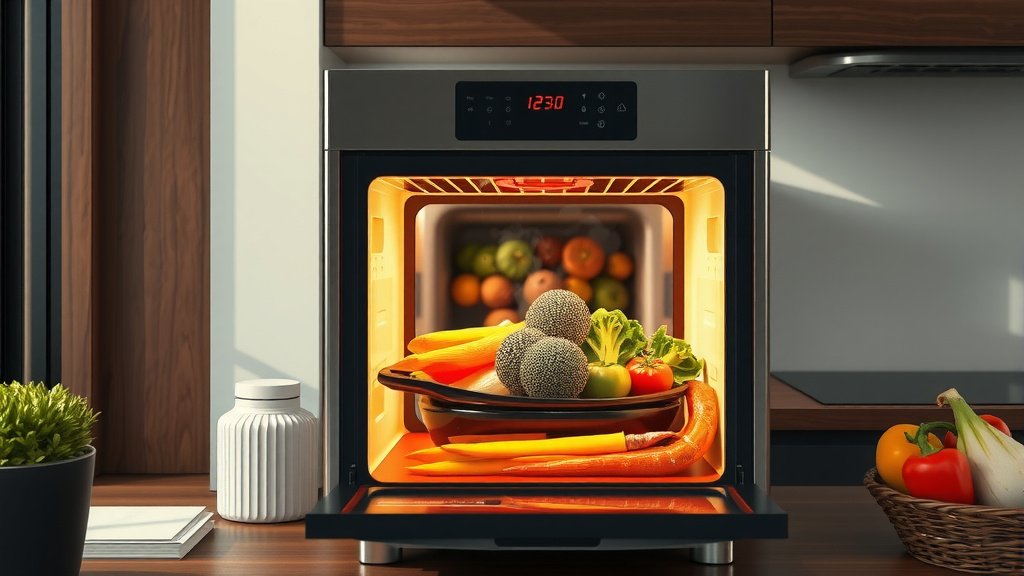
Yes, steam ovens are highly effective at retaining nutrients in food, often outperforming other cooking methods like boiling.
The gentle, moist heat helps to preserve delicate vitamins and minerals that can be lost through direct contact with water or high, dry heat.
TL;DR: Here’s the quick scoop on steam ovens and nutrients:
- Steam ovens **significantly reduce nutrient loss**, especially water-soluble vitamins.
- They cook food gently, avoiding the harsh conditions that break down vitamins.
- Vegetables, fish, and poultry **retain more flavor and texture** too.
- You get **healthier meals** with minimal effort.
- It’s a **smart choice** for maximizing your food’s goodness.
Does Steam Oven Retain Nutrients In Food?
Absolutely! Using a steam oven is one of the best ways to keep the good stuff in your food.
Many studies, including those referenced by organizations like the USDA, show that steaming preserves a wide range of vitamins and minerals better than many other cooking techniques.
Why Nutrients Matter in Your Meals
Think about it: you spend time and money buying fresh, healthy ingredients. You want your body to get all the benefits, right?
Nutrients are the tiny superheroes in your food. They power your body, keep you healthy, and help you feel great.
Losing them during cooking is like pouring part of your healthy investment down the drain.
Understanding Nutrient Loss During Cooking
Cooking changes food, which is usually a good thing for taste and digestion. But some cooking methods are a bit rough on nutrients.
Water-soluble vitamins, like Vitamin C and the B vitamins, are especially vulnerable. They can easily leach out into cooking water or break down with excessive heat (Harvard Health).
Minerals are generally more stable, but prolonged exposure to heat or water can still impact them.
The Science Behind Steam Cooking
So, what makes steaming so special? It all comes down to the way it uses heat.
Instead of submerging food in water or blasting it with dry air, steam ovens envelop your food in a cloud of hot, moist vapor.
This gentle environment helps food cook thoroughly without harsh exposure that damages nutrients.
How Steam Works Its Magic
Imagine your food wrapped in a warm, nutrient-preserving hug. That’s essentially what steam does!
The lower temperatures and the moist air mean less oxidation and less leaching of vitamins into water, unlike boiling (Mayo Clinic).
It’s like a spa treatment for your veggies, keeping them vibrant and full of goodness.
Water-Soluble Vitamins: The Big Winners with Steam
If you’re worried about losing Vitamin C or your B vitamins, a steam oven is your friend.
We found that these delicate vitamins, so easily lost when boiling, are far better preserved in steam (NIH research often highlights this).
You’ll notice the difference in taste and color, which often hints at better nutrient retention.
Minerals and Steam: A Good Match
Minerals, like potassium, magnesium, and calcium, are tougher than vitamins. They don’t mind heat as much.
However, they can still escape if boiled in large amounts of water. With steaming, they tend to stay put in your food, where they belong.
Comparing Steam to Other Cooking Methods
Let’s put steaming head-to-head with some other common ways you prepare your meals. You might be surprised by the results.
It’s not just about taste; it’s about nutritional punch too.
Boiling vs. Steaming: A Clear Difference
Boiling is perhaps the worst offender for nutrient loss. When you boil vegetables, those precious water-soluble vitamins dissolve right into the cooking water.
Unless you’re drinking that cooking water, those nutrients are gone. Steaming avoids this completely, keeping everything locked inside your food.
Roasting and Baking: What’s the Catch?
Roasting and baking use high, dry heat. While they can create delicious caramelized flavors, that intense heat can still degrade some heat-sensitive vitamins.
There’s no water to leach nutrients, but the prolonged dry heat can take its toll on certain compounds.
Microwaving: A Surprising Contender?
Many experts say microwaving, if done correctly with minimal water, can actually be quite good for nutrient retention.
It cooks quickly, reducing the time heat is applied. However, steam ovens often offer more consistent and gentle heat distribution.
What Foods Benefit Most from Steam Ovens?
Almost anything tastes great and stays healthy in a steam oven, but some foods truly shine.
You’ll find your meals become more vibrant and flavorful with this cooking method.
Vegetables Shine Bright
This is where steam ovens truly excel. Broccoli, carrots, green beans, asparagus—they all come out perfectly tender-crisp, with their vibrant colors and natural sweetness preserved.
You’ll notice the difference in how they taste and look, knowing you’re getting more of their vitamins too.
Fish and Poultry Stay Juicy and Healthy
Cooking fish or chicken in a steam oven keeps them incredibly moist and tender. There’s no drying out, and they retain their natural juices and nutrients.
It’s a fantastic way to prepare lean proteins for a healthy diet.
A Quick Comparison of Cooking Methods
Here’s a snapshot to help you visualize the impact of different cooking styles on nutrient retention.
| Cooking Method | Nutrient Retention (General) | Impact on Water-Soluble Vitamins | Overall Verdict |
|---|---|---|---|
| Boiling | Low | Significant loss | Poor for nutrient retention |
| Steaming | High | Excellent preservation | **Best** for nutrient retention |
| Roasting/Baking | Medium | Moderate loss | Good, but can degrade some vitamins |
| Microwaving | Medium-High | Good, if minimal water is used | Very good, especially for speed |
Getting the Most Out of Your Steam Oven
To really maximize those nutrient benefits, here are a few simple tips for your steam oven cooking:
- **Don’t overcook:** Cook until just tender-crisp. Overcooking can still degrade nutrients.
- **Cut evenly:** This ensures uniform cooking, so everything finishes at the same time.
- **Use fresh ingredients:** The fresher your food, the more nutrients it has to begin with.
- **Don’t overcrowd:** Allow steam to circulate freely around all your food items.
- **Season lightly:** Let the natural flavors, enhanced by steaming, shine through.
Potential Downsides or Misconceptions
While steam ovens are fantastic, it’s not a magic bullet that makes unhealthy food healthy. And there are some things to keep in mind.
They aren’t ideal for achieving a crispy crust, for example, unless you have a combi-steam oven with dry heat functions.
Is Overcooking Still a Risk?
Yes, even with steam, overcooking can reduce nutrient content and make food mushy. Always aim for that perfect texture.
Your steam oven’s timer and temperature settings are your best friends here. You’ll quickly learn the ideal times for your favorite dishes.
Conclusion
In the grand scheme of healthy cooking, steam ovens definitely stand out. They offer a powerful way to **retain the vital nutrients** in your food, especially those delicate water-soluble vitamins that often vanish with other methods.
By cooking with moist, gentle heat, you’re not just preserving vitamins and minerals; you’re also locking in natural flavors and textures, making your healthy meals even more delicious.
So, if you’re looking to get the absolute most nutritional bang for your buck from your ingredients, the answer is clear: a steam oven is an **excellent investment** in your health and your palate. It truly helps you eat better and feel better every day.
How does steam cooking compare to boiling for vitamins?
Steam cooking is significantly better than boiling for retaining water-soluble vitamins like Vitamin C and B vitamins. Boiling causes these vitamins to leach out into the cooking water, whereas steaming keeps them locked inside the food.
Does steaming affect the taste of food?
Many people find that steaming enhances the natural flavors of food. Because nutrients and juices are retained, vegetables taste brighter, and fish remains delicate and moist, often requiring less added seasoning.
Can I steam all types of food in a steam oven?
Steam ovens are versatile and can cook almost anything, from vegetables and fish to rice, pasta, and even desserts. However, they are not ideal for foods that require browning or a crispy texture unless it’s a combi-steam oven with additional dry heat functions.
Is a steam oven better for weight loss?
While a steam oven doesn’t directly cause weight loss, it supports a healthy diet by cooking food without added fats, preserving nutrients, and enhancing natural flavors. This encourages you to eat more wholesome, nutrient-dense foods, which can be beneficial for weight management.
Are there any nutrients that aren’t well-preserved by steaming?
Generally, steaming is one of the best methods for nutrient retention. However, no cooking method is perfect. Some very minor nutrient changes might occur, but overall, it’s far superior for nutrient preservation than most other common cooking techniques.