Is an Enameled Dutch Oven Worth the Extra Money?

Is an Enameled Dutch Oven Worth the Extra Money?

Are Enameled Dutch Ovens Worth the Premium Price?

Yes, for most home cooks, an enameled Dutch oven is absolutely worth the extra money. It offers superior convenience and versatility for everyday cooking, especially if you don’t want the maintenance of raw cast iron. However, a bare cast iron pot is a fantastic, budget-friendly choice for those who don’t mind the upkeep. Let’s break down which one is the better investment for your kitchen.

Enameled Cast Iron vs. Bare Cast Iron: The Core Difference

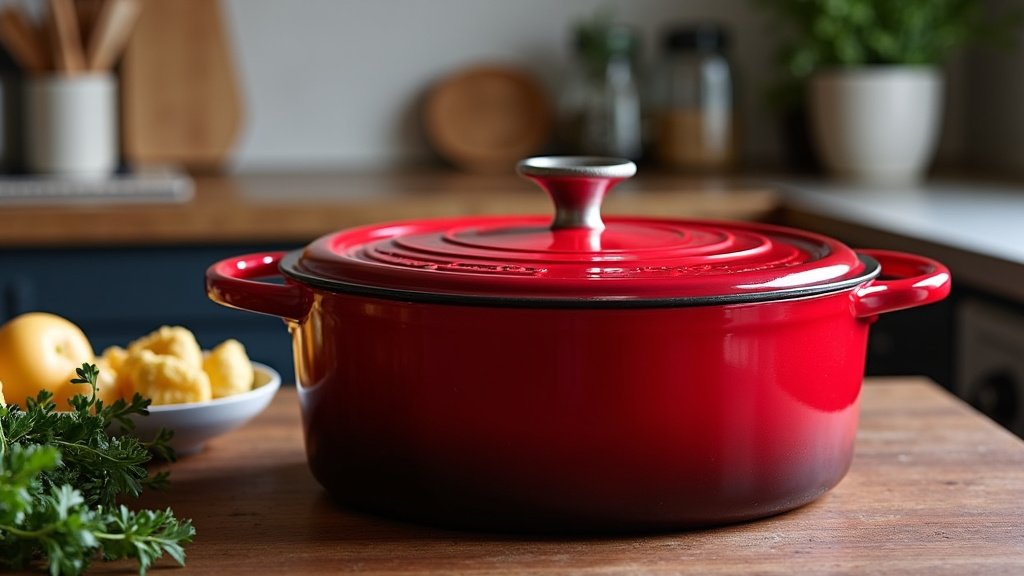
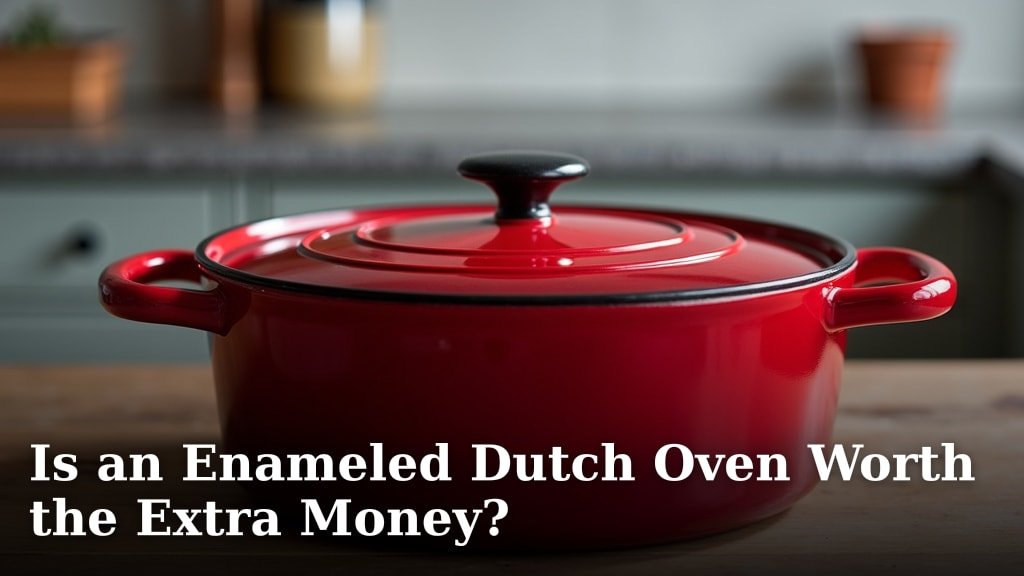
The key distinction is the coating. Enameled Dutch ovens have a baked-on, non-reactive porcelain enamel finish. This is fundamentally different from the seasoned patina that develops on a bare cast iron pot over time. The enamel creates a glass-like surface that changes how you cook and clean.

What Exactly Is Enameled Cast Iron?

It starts as a standard cast iron pot. Then, it’s sprayed with multiple layers of powdered glass (enamel) and fired at an extremely high temperature. This fuses a protective, colorful coating to the iron. The result is a pot that doesn’t require seasoning and offers a smooth cooking surface.

The Science Behind the Shine

The enamel is a form of vitreous glass. According to materials science principles, it creates an inert barrier. This means it won’t react with acidic ingredients like tomatoes or wine. You can safely simmer a marinara for hours without worrying about a metallic taste leaching into your food (USDA Food Safety). That’s a major advantage for many recipes.

What Is Bare Cast Iron?

This is just pure iron, shaped into a pot. Its performance relies entirely on seasoning—the layer of polymerized oil that builds up with use and proper care. A well-seasoned pot develops a natural, naturally non-stick surface. However, this surface is delicate. It can be damaged by soap, acidic foods, or improper drying.

The Top Benefits of Going with an Enameled Pot

Why do people pay more for the coated version? The reasons boil down to convenience and adaptability. Many home cooks find these features completely change their daily routine.

  • Zero Seasoning Required: It’s ready to use out of the box. No initial oiling and baking in the oven.
  • Easy Cleanup: The smooth surface wipes clean. Most stuck-on food comes off with warm, soapy water and a sponge. There’s no fear of ruining a seasoning layer.
  • Non-Reactive Surface: You can confidently cook acidic dishes—chili with tomatoes, beef stew with wine, fruit compotes—without altering the flavor or color of your food.
  • Aesthetically Pleasing: It goes from stovetop to oven to table beautifully. The vibrant colors make for an attractive serving piece.

The Potential Drawbacks You Should Consider

It’s not all perfect. The enamel comes with a few trade-offs that are important to understand before you buy.

  • The High Price Tag: This is the most obvious con. A quality enameled pot can cost two to three times as much as a comparable bare cast iron Dutch oven.
  • Vulnerability to Chipping: The enamel is durable glass, but it can chip. This can happen from a hard knock, thermal shock (dropping it in a sink while hot), or metal utensil abuse. A chip is usually cosmetic at the rim, but it can compromise the pot.
  • Slightly Heavier Weight: The enamel coating adds a small amount of weight. While not dramatic, you will notice the pot is very hefty.
  • Potential for Staining: Light-colored interiors, while beautiful, can develop stains from certain foods like turmeric or tomato sauce over time. This is cosmetic but can be frustrating.

Performance: How They Actually Cook

Both types are exceptional at heat retention and even cooking, which is the core job of a Dutch oven. The real differences emerge during specific cooking tasks.

C

Which One is Better for Bread Baking?

Both are fantastic for creating steam to bake crusty bread. However, the enamel surface is easier to clean after any spilled flour or dough. The bare iron version may require a quick re-seasoning if the high heat of baking strips some of its oil layer. For the dedicated bread baker, many experts, including those at Serious Eats, note that both options work wonderfully.

Care and Maintenance: The Real-World Difference

This is where the daily experience diverges most. Your lifestyle and tolerance for maintenance will heavily influence your choice.

Caring for Your Enameled Pot

For the most part, you treat it like any nice piece of cookware. Avoid drastic temperature changes. Use wooden or silicone utensils to prevent scratches. For stuck food, simmer some water in it for a few minutes, then use a non-abrasive scrubber. Mild soap is perfectly fine.

Caring for Your Bare Cast Iron Pot

This requires a more hands-on ritual. After washing, you must dry it completely, often on a warm stove. Then, you need to apply a thin layer of oil and heat it until it smokes lightly to maintain the seasoning. It’s a commitment that some find therapeutic and others find tedious.

Are Enameled Dutch Ovens Worth the Premium Price?
https://www.youtube.com/watch?v=mzMiGnaG2vY

What Do Professional Tests and Reviews Say?

Professional reviews from sources like America’s Test Kitchen and Cook’s Illustrated consistently rank high-end enameled models (like Le Creuset and Staub) at the top for their cooking performance and ease of use. However, they also often recommend budget bare cast iron options (like Lodge) as a best-value pick. The consensus is that performance differences are minimal for most tasks; the choice is about features and upkeep.

Building Your Checklist: Which One Should YOU Buy?

To make the final call, ask yourself these questions. Be honest about your cooking habits and preferences.

  • Do you regularly cook acidic dishes like tomato-based stews or wine reductions?
  • How do you feel about dedicating time to seasoning and careful maintenance?
  • Is your budget a primary concern? Are you willing to pay for convenience?
  • Do you plan to use it as an attractive serving dish at the table?
  • Are you prone to accidents in the kitchen with heavy pots?
  • Do you own other enameled cookware you need to match?

The Final Verdict: It’s About Your Kitchen, Not Just the Pot

The “worth it” factor is deeply personal. An enameled Dutch oven is a premium tool for the cook who values convenience, hates scrubbing, and loves making braises and stews. A bare cast iron Dutch oven is a robust, affordable champion for the purist who enjoys the ritual of seasoning and wants the ultimate searing surface. Both will serve you faithfully for decades. The best choice is the one that fits your hands and your cooking style.

Conclusion

So, is an enameled Dutch oven worth the extra money? For most people, the answer is a clear yes. It offers unmatched convenience, a non-reactive surface for acidic dishes, and easy cleanup that bare cast iron can’t match. However, if you love the searing power of pure iron and don’t mind the maintenance ritual, a bare pot is a brilliant, budget-friendly choice. The decision isn’t about which is objectively better, but which fits your life. Your next step is simple: think about the meals you cook most often. Let that guide your choice, and you’ll pick a pot that truly works for you.

Frequently Asked Questions

Can I use an enameled Dutch oven on an induction cooktop?

Yes, you can. Most enameled Dutch ovens have a ferromagnetic iron core that works with induction cooktops. Always check the manufacturer’s label to confirm compatibility, but it’s generally safe.

Does the enamel affect the taste of my food?

No, the enamel is a non-reactive porcelain that creates an inert barrier. Your food will taste pure, without any metallic leaching, even with acidic ingredients like tomatoes or wine.

How long can I expect an enameled Dutch oven to last?

With proper care, an enameled Dutch oven can last for decades. The enamel is very durable, though it may show minor staining or wear over many years of use.

Is there a way to fix a chip in the enamel?

A small chip on the rim is often just cosmetic and doesn’t affect cooking. If the chip is large or exposes the iron, it’s safer to replace the pot, as it can affect the seal and performance.

Are enameled Dutch ovens safe for high-heat cooking like searing?

Yes, they are safe for high heat. While some cooks feel bare iron sears slightly better, an enameled pot handles high heat very well. Just avoid sudden temperature changes to prevent thermal shock.

Feature Enameled Dutch Oven Bare Cast Iron Dutch Oven
Heat Retention Excellent Excellent
Best For Braises, stews, soups, pasta sauces, baking bread. High-heat searing, frying, cornbread, skillet cookies.
Reactivity Non-reactive with acidic foods. Reactive; may impart metallic taste with acidic dishes.
Searing Ability Very good, but some cooks feel bare iron achieves a slightly better crust. Superior for developing a deep, even sear on meats.
Care Intensity Low. Hand-wash with mild soap. High. Requires seasoning, hand-wash only (often no soap), thorough drying.
Long-Term Aesthetics Can chip or stain but maintains color.