

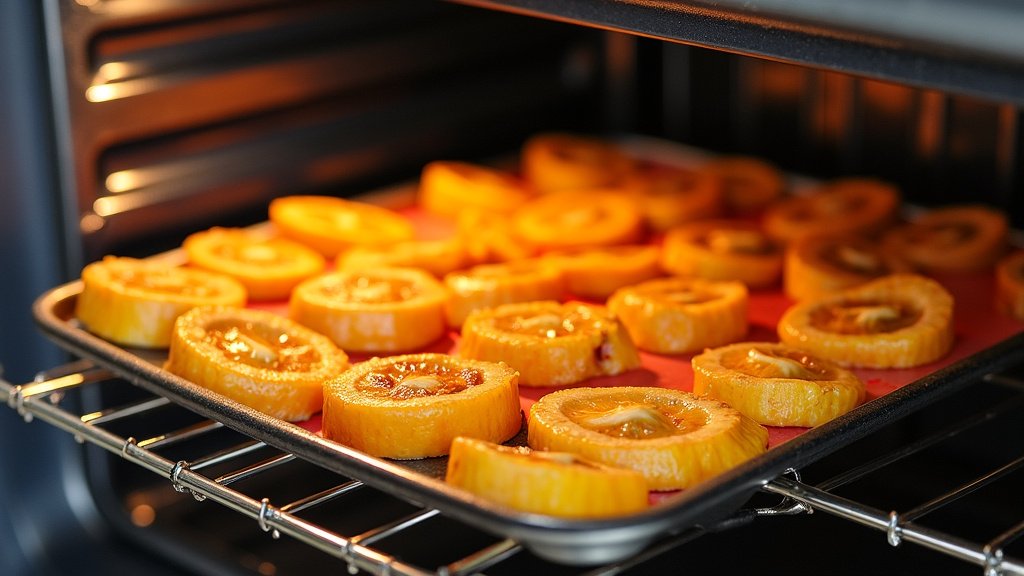
Yes, you can absolutely dehydrate fruit in a convection oven! It’s a fantastic way to preserve your harvest and enjoy delicious dried fruit year-round. With the right temperature and airflow, your convection oven can mimic a food dehydrator quite effectively. You’ll be making your own healthy snacks in no time.
Using a convection oven for dehydrating fruit is all about consistent, low heat. Many home cooks have found success by using the oven’s fan feature to circulate air, which is key for drying. This method is a great way to reduce food waste and avoid added sugars often found in store-bought dried fruits. It’s a simple process that yields satisfying results.
- Preheat your oven to a low temperature.
- Prepare your fruit by slicing it evenly.
- Arrange fruit on baking sheets with wire racks.
- Dry fruit in the oven, turning occasionally.
- Store dried fruit in airtight containers.
Ready to turn your fresh fruit into tasty, chewy snacks? Let’s walk through exactly how to dehydrate fruit in your convection oven, step by step.
Drying Fruit Successfully in Your Convection Oven
So, you’ve got a bounty of beautiful fruit and you’re wondering if your convection oven can help you preserve it. The great news is, yes! Your convection oven can be a fantastic tool for making delicious dried fruit right in your own kitchen. It works by circulating air, which is exactly what you need for effective drying.
Understanding the Convection Oven’s Advantage
A convection oven has a fan that moves air around inside. This is a big deal for dehydrating. It helps to The fan in your convection oven is essential for circulating air and drying food evenly.dry your fruit evenly and a lot faster than a conventional oven. Think of it like a gentle, constant breeze helping to whisk away moisture.
Why Air Circulation Matters
When you’re drying fruit, you’re essentially removing water content. If the air just sits there, moist air pockets can form around the fruit. This slows down drying and can even lead to mold. The fan in your convection oven prevents this. It keeps the air moving, ensuring a consistent drying environment from top to bottom.
Choosing the Right Fruit and Preparing It
Not all fruits are created equal when it comes to dehydrating. Softer fruits like berries and peaches work wonderfully. Tougher-skinned fruits, like grapes, might need a little pre-treatment. Always start with ripe, fresh fruit. Avoid any that are bruised or overripe, as these won’t store as well.
Washing and Slicing Tips
First things first: wash your fruit thoroughly. Even if you plan to peel it, a good wash is important. For consistent drying, uniform slicing is key. Aim for pieces about 1/4 inch thick. If you’re drying berries, you can leave them whole. For apples and pears, you might want to remove the core. Uniformity means everything dries at the same rate.
Pre-Treatments for Better Results
Some fruits, especially apples and pears, can brown when exposed to air. To prevent this, you can give them a quick dip in an acidic solution. A common method is a solution of lemon juice and water. Mix about 2 tablespoons of lemon juice with 2 cups of water. Dip the fruit slices for a few minutes, then drain well.
Setting Up Your Oven for Drying
Now comes the exciting part: getting your oven ready! The temperature is crucial here. You want it low enough to dry without cooking the fruit. Many sources suggest a temperature between 135°F and 160°F (57°C to 71°C) for dehydrating fruit (CDC).
Getting the Temperature Just Right
Most ovens don’t have a setting this low. If yours does, fantastic! If not, you can often achieve this by setting your oven to its lowest setting (usually around 170°F or 77°C) and propping the door open slightly. This allows some heat to escape, keeping the temperature down. You’ll need to You’ll need to monitor the temperature with an oven thermometer to be sure.monitor the temperature with an oven thermometer to be sure. Leaving the door ajar also helps with moisture escape.
Arranging Fruit on Baking Sheets
Forget parchment paper for this. You need air to circulate all around the fruit. The best setup is to use wire racks placed on baking sheets. This allows air to flow underneath the fruit, drying it from all sides. Arrange your fruit slices in a single layer, making sure they aren’t touching. Overlapping pieces will stick together and won’t dry properly.
The Drying Process: Patience is a Virtue
This is where the magic happens, but it takes time. Dehydrating fruit in a convection oven isn’t an instant process. It can take anywhere from 4 to 12 hours, depending on the type of fruit, its thickness, and your oven’s efficiency.
Checking and Turning Your Fruit
You’ll want to check on your fruit periodically. Every couple of hours, gently turn the fruit slices over. This ensures even drying. You’ll also want to rotate your baking sheets. This compensates for any slight variations in heat distribution within your oven. Think of it as giving your fruit a spa day – turning, flipping, and ensuring it’s comfortable everywhere.
How to Tell When It’s Done
Your fruit is ready when it’s leathery and chewy, but not brittle. It should feel pliable. There should be no moisture visible when you press it. Small, sticky spots are okay, but you shouldn’t be able to squeeze out any liquid. It’s a bit like making jerky for fruit – you want that satisfying chew!
Storing Your Delicious Dehydrated Fruit
Once your fruit is perfectly dried, let it cool completely before storing. This is important to prevent condensation. You can then place it in airtight containers. Glass jars, vacuum-sealed bags, or sturdy zip-top bags work well. Store them in a cool, dark place.
Tips for Long-Term Storage
Properly dried and stored fruit can last for several months, sometimes up to a year. If you notice any signs of mold or off-smells, it’s time to toss it. For maximum freshness, consider using a food-safe desiccant packet in your storage containers, especially if you live in a humid climate. We found that moisture is the biggest enemy of long-term storage.
A Quick Checklist for Success:
- Select ripe, fresh fruit.
- Slice fruit uniformly, about 1/4 inch thick.
- Use wire racks on baking sheets for air circulation.
- Dry at a low temperature (135-160°F or 57-71°C).
- Turn fruit and rotate sheets every couple of hours.
- Store cooled fruit in airtight containers.
Conclusion
You’ve learned how to transform your fresh fruit into delicious, shelf-stable snacks using your convection oven. By maintaining a low temperature, ensuring good air circulation, and giving your fruit a little attention as it dries, you can achieve fantastic results. It’s a rewarding way to reduce waste and create healthy treats your family will love. Now, gather your favorite fruits and get drying – your pantry will thank you!
Frequently Asked Questions
Can I use parchment paper when dehydrating fruit in my convection oven?
We don’t recommend using parchment paper. The key to dehydrating is air circulation all around the fruit. Parchment paper can block airflow from the bottom, leading to uneven drying and potentially sticking. Wire racks are your best bet.
How do I know if my fruit is dry enough?
Your fruit is ready when it feels leathery and pliable. It should be dry to the touch, with no sticky moisture that you can squeeze out. It shouldn’t be brittle, but it also shouldn’t feel wet. Think of a well-dried raisin or apricot – that’s the texture you’re aiming for.
What’s the best way to store homemade dehydrated fruit to keep it fresh?
Always let your fruit cool completely before storing. Then, place it in airtight containers like glass jars or sturdy zip-top bags. Store these in a cool, dark place to protect them from light and humidity, which are the biggest enemies of long-term freshness.
My fruit is browning even after using lemon juice. What else can I do?
If browning is a persistent issue, you can try a slightly stronger acidic solution, or ensure your slices are fully submerged for the recommended time. Sometimes, it’s also about how quickly the fruit is exposed to air before drying begins. Work efficiently after slicing, and ensure good airflow during the drying process itself.
Can I dehydrate store-bought fruit, or does it have to be fresh from the garden?
You can absolutely dehydrate store-bought fruit! The most important thing is to choose fruit that is ripe and in good condition. Avoid anything bruised or overripe, as this can affect the drying quality and storage life. Wash it thoroughly just as you would fresh fruit.
