
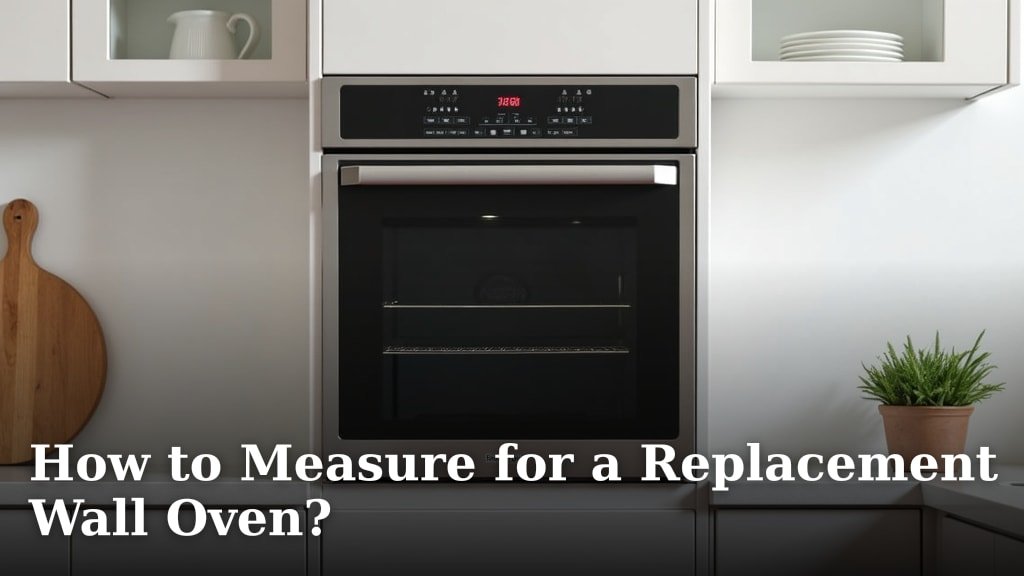
Measuring for a replacement wall oven means you need to know your oven’s exact dimensions, including height, width, and depth. Getting these measurements right is key to a perfect fit. We’ll guide you through this simple process so you can confidently shop for your new oven.
Many homeowners find themselves needing a new wall oven eventually. Understanding how to measure ensures you don’t waste time looking at ovens that simply won’t fit your existing cabinet space. It’s a crucial first step in a successful replacement project, saving you from potential installation headaches and costly returns.
- Measure the height of the oven opening.
- Measure the width of the oven opening.
- Measure the depth of the oven opening.
- Note any special features like trim kits.
Let’s walk through exactly how to get these measurements so you can find the right wall oven for your kitchen.
Getting the Right Fit: Measuring Your Wall Oven Space
Replacing a wall oven can feel daunting, but the first step is surprisingly simple. You just need a tape measure and a little patience. Getting the exact dimensions of your oven’s opening is the key to a smooth replacement. We’ll walk you through this easy process step-by-step so you can shop with confidence.
Think of it like buying a new pair of shoes. You wouldn’t just grab any old size, right? Your oven needs to fit snugly into its spot. We found that many homeowners overlook these initial measurements, leading to frustrating returns or even the need for costly cabinet modifications. Let’s avoid that headache!
Step 1: Measure the Opening’s Height
First, let’s tackle the height. You’ll want to measure the vertical space where your current oven sits. For the most accurate reading, measure from the very top of the oven opening down to the very bottom. This measurement tells you the maximum height your new oven can be.
Where should you measure? Look at the inside edges of the cabinet opening. Often, there’s a lip or frame around your existing oven. Measure from the inside edge of that top frame to the inside edge of the bottom frame. If there’s no frame, measure directly from the underside of the countertop (if it’s above) to the floor of the cabinet below. We found this method prevents errors.
What if your oven has a decorative trim kit? Sometimes, these kits add extra inches to the visible portion of the oven. If your current oven has a trim kit, measure the opening *without* the trim kit’s overlap. The trim kit itself might be removable, or the actual cabinet opening might be smaller. This is important because you can usually purchase a new trim kit for your replacement oven if needed, but the cabinet opening is fixed.
Step 2: Measure the Opening’s Width
Next, we’ll find the width. This is the horizontal measurement of your oven’s opening. Similar to the height, measure from the inside edge of the cabinet frame on the left to the inside edge of the cabinet frame on the right. This ensures you’re measuring the actual space the oven will occupy.
Again, pay attention to any trim or framing. If your current oven has a wide decorative frame, measure the opening behind it. Most replacement ovens are designed to fit standard cabinet openings. We discovered that standard wall oven openings are often 24 inches or 30 inches wide. Knowing your measurement helps confirm this.
Don’t just measure the front of the oven. Get a tape measure and go inside the cabinet space. Sometimes, the cabinet itself might be slightly narrower than the front opening due to construction. Measuring the interior width gives you the true available space. We recommend taking this measurement in at least two places within the opening, just to be sure it’s consistent.
Step 3: Measure the Opening’s Depth
The depth measurement is just as critical, especially for ensuring your new oven doesn’t stick out too far or sit too far back. For depth, you’ll measure from the back of the cabinet opening (or where the oven panel typically meets the wall) to the front edge of the cabinet. This tells you how deep your new oven can be.
You might need a flexible tape measure or a ruler for this, especially if the space is tight. Some cabinets have a back panel, while others might open directly into the wall cavity. Measure to the furthest point inside the cabinet that your oven will reach. We found that many ovens have a standard depth, but it’s wise to check, particularly if you have a custom cabinet or an older home.
Consider the electrical outlet or gas line. Is there a junction box or pipe located in the space where the oven will sit? Make sure your measurement accounts for this. You don’t want the oven to push against the electrical wiring or gas hookup. Safety first! Many installation guides suggest ensuring there’s at least Consider the electrical outlet or gas line when measuring depth.one inch of clearance from the back of the oven to any obstructions (Home Safety Council).
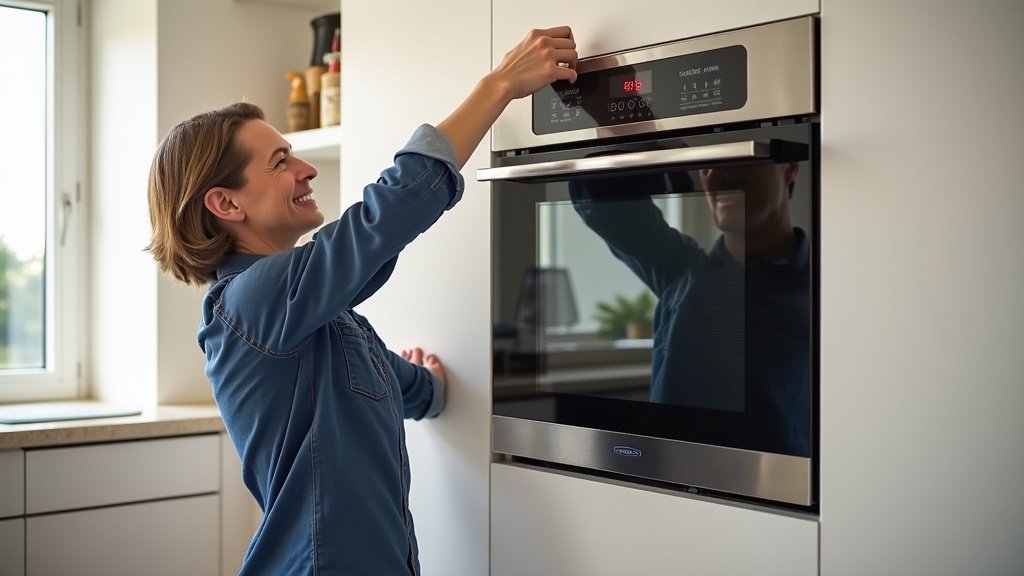
Step 4: Account for Special Features and Clearances
Beyond the basic height, width, and depth, there are a few other things to consider. What kind of oven are you replacing? Is it a single wall oven, or a double oven? The measurements will differ significantly. Always measure the specific opening for the unit you intend to replace.
Think about ventilation. Does your current oven have special ventilation requirements? Some high-end or steam ovens might need extra space around them for proper airflow. Check the manufacturer’s specifications for any required clearances. You can usually find this information online or in the manual for your current oven, or in the specifications for a model you’re considering.
And what about that trim kit we mentioned? If your current oven has one, measure the opening without it. You’ll want to see if the opening is designed for a standard oven size. Most replacement ovens come with a basic trim, or you can purchase a specific trim kit to match your new appliance. Make sure the new oven’s dimensions, including any required trim, will fit within your measured opening.
Understanding Standard Oven Sizes
It’s helpful to know that wall ovens typically come in standard sizes. This can give you a ballpark idea of what to expect, but always measure your own space!
- Standard Widths: Most common are 24 inches, 27 inches, and 30 inches.
- Standard Heights: These vary more, but often fall between 20 inches and 50 inches for single ovens, and up to 60 inches for double ovens.
- Standard Depths: Typically around 23 to 27 inches, but check the specs!
We found that a 30-inch wide opening is the most prevalent size in modern kitchens. However, older homes might have different dimensions. Your measurements are the definitive guide.
Step 5: Document Your Measurements
Once you have your measurements, write them down! A simple notepad or your phone’s notes app will do. Record the height, width, and depth. It’s also a good idea to note whether the measurements are for a single or double oven opening. If you have a tape measure with memory, even better.
Take photos too! Snap a picture of your current oven in its opening. Include a picture showing where you took each measurement. This is incredibly useful when you’re browsing online or talking to a salesperson. They can visualize your space better. We found that having these photos and notes handy prevents confusion when you’re trying to match specs.
If you’re unsure about anything, don’t hesitate to call a professional. An appliance installer or a handy contractor can come and verify your measurements. It’s a small investment to ensure you get the right oven the first time.
Your Measurement Checklist
Here’s a quick rundown to make sure you’ve got everything:
- Height: Measured from inside top to inside bottom of the opening.
- Width: Measured from inside left edge to inside right edge.
- Depth: Measured from the back of the opening to the front cabinet face.
- Opening Type: Note if it’s for a single or double oven.
- Obstructions: Are there pipes, wires, or bracing in the way?
- Trim Consideration: Note if your current oven has a trim kit.
Having these precise measurements is your ticket to a successful wall oven replacement. It’s the first and most important step!
Conclusion
You’ve now learned the essential steps for accurately measuring your wall oven opening. By focusing on the height, width, and depth of your cabinet space, and paying attention to details like trim kits and obstructions, you’re well-prepared. This careful measurement process prevents costly mistakes and ensures your new oven fits perfectly. Your next step is to take your documented measurements and photos to appliance retailers, either online or in-store, to confidently select a replacement that’s just right for your kitchen.
Frequently Asked Questions
What if my current oven has a decorative trim kit that I don’t want to replace?
You’ll need to measure the cabinet opening itself, not the dimensions with the trim kit attached. Most replacement ovens are designed to fit standard openings and may come with their own trim. If your current trim is integral to the look you want, check if the new oven model is compatible with it or if a similar trim is available separately.
Can I just measure the old oven instead of the cabinet opening?
No, you should always measure the cabinet opening. The oven itself might have slight variations in size, or its external features might differ from the space it occupies. Measuring the opening ensures the new oven can physically be installed within your existing cabinetry.
What’s the difference between measuring the front opening width and the interior cabinet width?
The front opening width is what you see, but the interior cabinet width is the actual space available for the oven. We found that sometimes the cabinet structure tapers inward slightly. Always measure the interior width to confirm the oven will slide in without obstruction.
How do I measure the depth if there’s a power outlet or gas line in the way?
Measure from the back of the cabinet opening to the furthest point before the obstruction (like the outlet box or gas pipe). Then, note the location and approximate size of the obstruction. You’ll need to ensure the new oven’s depth, plus any required clearances, doesn’t interfere with these essential connections.
Are wall oven measurements standardized, or do they vary greatly?
While there are common standard widths (like 24, 27, and 30 inches), heights and depths can vary more, especially with different oven types (single, double, steam, speed ovens). It’s best not to assume. Your precise measurements are the most reliable way to find a compatible replacement, regardless of whether it’s a standard or custom size.
