
Your oven light not working often means a blown bulb or a faulty socket. These are the most common culprits. While it can be frustrating, it’s usually a straightforward fix you can handle yourself.
A non-functioning oven light can make it hard to check on your baked goods. We found that many people worry about this. Fortunately, identifying the problem and replacing the bulb is typically a simple DIY task. It doesn’t require advanced technical skills.
- Bulb is burnt out.
- Socket connection is loose.
- Wiring issue.
- Problem with the switch.
Let’s walk through the common reasons why your oven light might not be working and how to get it shining again.
Troubleshooting Your Oven Light Issues
It’s a common kitchen frustration: you open your oven door, eager to check on your masterpiece, only to find the little light stubbornly refusing to shine. Don’t panic! Your oven light not working is usually a simple problem. Many homeowners discover it’s an easy fix they can handle themselves.
We’ve found that the most frequent reasons for a dark oven are a burnt-out bulb or a loose connection. These are often the first things to check. Let’s walk through some common culprits and how to get that lightbulb glowing again.
The Burned-Out Bulb: The Most Likely Suspect
Just like any lightbulb in your home, the one inside your oven has a lifespan. Over time, the filament can break, rendering it useless. This is by far the most common reason your oven light won’t turn on.
Identifying a Burnt-Out Bulb
How can you tell if the bulb itself is the issue? Sometimes, it’s obvious. If the bulb looks blackened or has visible damage, it’s likely time for a replacement. Other times, it might look perfectly fine but still be dead.
Visual Inspection Tips
To check the bulb, you’ll usually need to access it from inside the oven. Make sure your oven is completely cool and unplugged or the breaker is turned off for safety. Most oven bulbs are housed behind a glass or metal cover. You might need a screwdriver to remove it. Once exposed, give the bulb a good look.
Replacing the Oven Light Bulb: A Step-by-Step Guide
Replacing an oven bulb is a straightforward process. It’s very similar to changing a regular household lightbulb, though you’ll need a specific type designed for oven use.
Safety First!
Before you begin, always remember safety. Unplug your oven Unplug your oven or turn off the circuit breaker that powers it, a critical safety measure also discussed when learning how to replace an electric oven heating element. or turn off the circuit breaker that powers it. This prevents any risk of electric shock.
Locating the Right Bulb
Oven bulbs are specially made to withstand high temperatures. You can’t just grab any bulb from the hardware store. They are typically high-heat incandescent bulbs. You can find them at appliance parts stores, home improvement centers, or online. Check your oven manual or the old bulb for the exact wattage and type.
The Replacement Process
- Ensure the oven is cool and power is off.
- Locate the bulb cover inside the oven cavity.
- Remove the cover. This might involve unscrewing it or gently prying it off.
- Carefully unscrew the old bulb.
- Screw in the new, oven-safe bulb until snug.
- Replace the bulb cover.
- Restore power to the oven.
- Test the light.
If the new bulb doesn’t light up, the problem might be elsewhere. But for many, this simple swap solves the mystery.
When the Bulb Isn’t the Culprit: Exploring Other Possibilities
So, you’ve replaced the bulb, and still, no light. Don’t get discouraged! There are a few other common issues that could be preventing your oven light from working.
The Oven Light Socket and Connections
The socket where the bulb screws in can sometimes be the issue. Over time, corrosion or a loose connection can prevent electricity from reaching the bulb.
Checking for Loose Connections
With the power still off, gently wiggle the bulb in its socket. Does it feel loose? Sometimes, a simple tightening of the bulb itself is all that’s needed. If the socket itself looks damaged or corroded, it might need to be replaced.
Corrosion and Cleaning
Mineral deposits or moisture can sometimes cause corrosion in the socket. If you see any greenish or whitish residue, it’s likely corrosion. You can try cleaning it carefully with a soft cloth or a cotton swab dipped in a little rubbing alcohol. Be sure it’s completely dry before restoring power.
Wiring Issues Within the Oven
Less commonly, the problem could lie with the wiring that powers the light. Wires can become loose, damaged, or short-circuited over time, especially due to the heat and vibrations within an oven.
When to Call a Professional
If you’ve checked the bulb and the socket and are still experiencing problems, it’s time to consider that the issue might be with the internal wiring. Diagnosing and repairing wiring problems can be complex and potentially dangerous if you’re not experienced. We found that many appliance repair technicians recommend calling a professional if you suspect a wiring issue. They have the tools and expertise to safely diagnose and fix these problems.
The Oven Light Switch Itself
Every oven light has a switch that turns it on and off, usually activated when you open the oven door. If this switch is faulty, it won’t send the signal to turn on the light, even if the bulb and socket are perfectly fine.
How the Switch Works
These switches are often small, push-button mechanisms located near the oven door frame. When the door is opened, a small lever or plunger is released, completing the circuit for the light. If this switch is stuck, broken, or misaligned, the light won’t come on.
Testing the Switch
Testing the switch usually requires some basic electrical testing tools and knowledge. You’d typically disconnect the wires from the switch and test for continuity when the switch is activated (door open) and deactivated (door closed). Again, if you’re not comfortable with electrical testing, it’s best to leave this to a qualified technician.
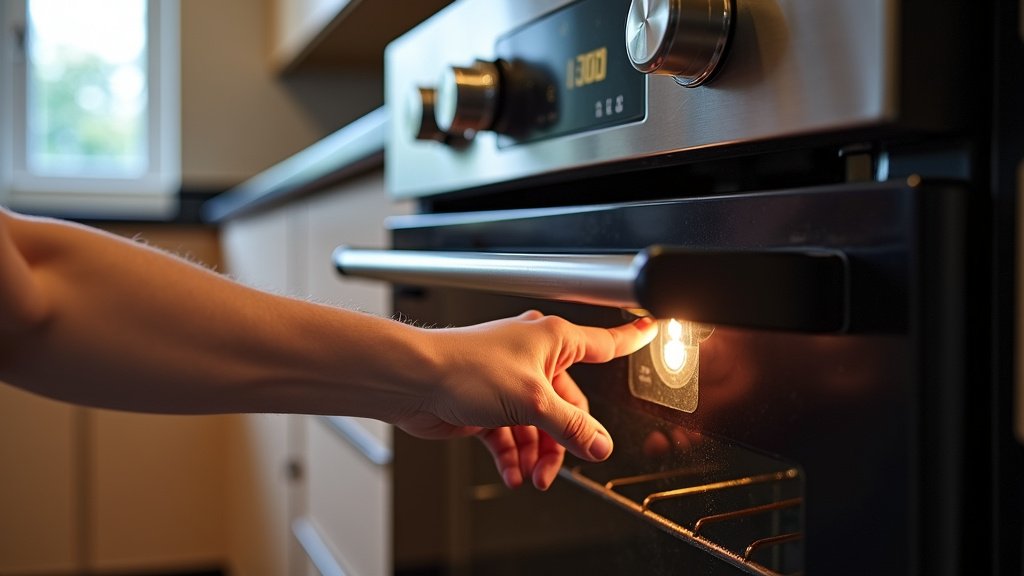
Quick Checklist for Your Oven Light Repair
Having trouble with your oven light? Let’s run through a quick checklist:
- Safety First: Always unplug your oven or turn off the breaker before doing any work.
- Check the Bulb: Is it blackened or visibly damaged?
- Replace the Bulb: Use a high-heat, oven-safe bulb.
- Inspect the Socket: Is it loose, corroded, or damaged? Clean if necessary.
- Test the Switch: Does it seem stuck or broken?
- Consider Professional Help: If you’ve tried the basics and it’s still not working, it’s time to call in an expert.
Getting your oven light back in working order can make a big difference in your cooking routine. You can finally peek at those cookies without letting all the heat escape!
Conclusion
You’ve learned that your oven light not working is usually a simple fix. Most often, it’s a burnt-out bulb that needs replacing. If a new bulb doesn’t do the trick, a loose connection or a faulty socket could be the problem. For more complex issues like wiring or switch failures, it’s best to consult a professional. Don’t let a dark oven dim your culinary confidence. You’ve got this!
For your next baking adventure, you’ll be ready to diagnose and fix that light yourself. If you’re unsure about any step, especially those involving internal components, reaching out to a qualified appliance repair technician is always the safest bet.
Frequently Asked Questions
How often should I replace my oven light bulb?
Oven light bulbs don’t have a set replacement schedule like changing your smoke detector batteries. They are designed to last for a long time. You’ll typically only need to replace the bulb when it burns out, which could be after several years of use, or sooner if it gets jostled.
Can I use a regular household light bulb in my oven?
No, you absolutely should not use a regular household light bulb. Oven bulbs are specifically designed to withstand the high temperatures inside your oven. A standard bulb will likely burn out very quickly or even shatter due to the heat, which could be a safety hazard.
What should I do if the new bulb doesn’t work either?
If you’ve replaced the bulb with a new, oven-safe one and it still doesn’t turn on, it suggests the problem lies elsewhere. Your next steps would be to inspect the bulb socket for corrosion or loose connections, and then consider if the oven light switch might be faulty.
Is it safe to clean the oven light socket?
Yes, it can be safe to clean the oven light socket, but only after you’ve ensured the oven is completely cool and the power has been turned off at the breaker. Use a dry cloth or a cotton swab slightly dampened with rubbing alcohol to gently clean away any dust or corrosion, making sure it’s fully dry before restoring power.
When should I call an appliance repair technician for my oven light?
If you’ve replaced the bulb, checked the socket for obvious issues, and the light still isn’t working, it’s time to call a professional. Issues with internal wiring or the light switch itself often require specialized knowledge and tools that a technician will have.
