
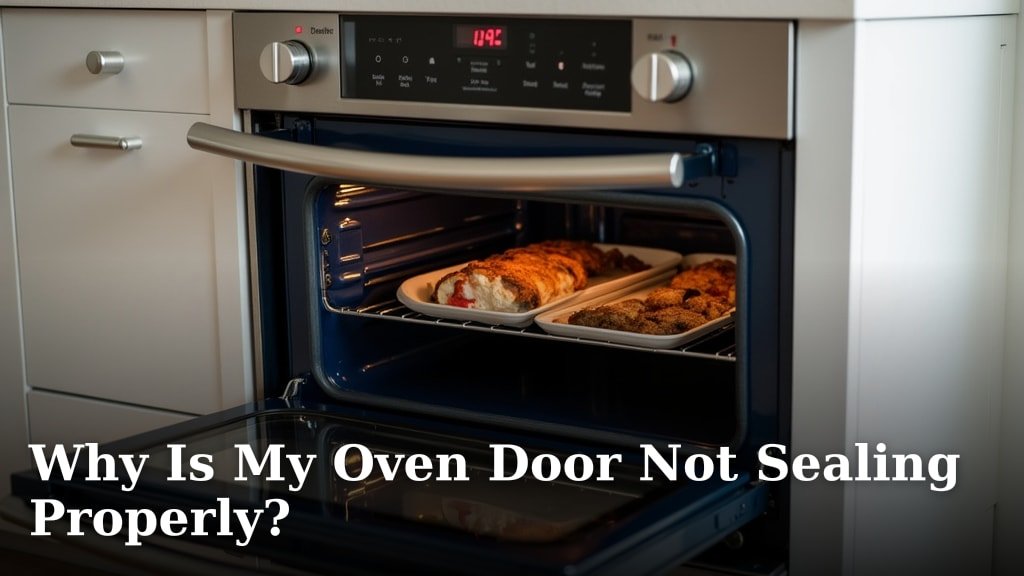
Your oven door might not be sealing properly because of a damaged or worn door gasket, bent hinges, or even accumulated debris. A good seal is essential for even cooking temperatures and oven efficiency. We found that a faulty seal can lead to longer cook times and inconsistent results, wasting both energy and food. We found that a faulty seal can lead to longer cook times and inconsistent results, wasting both energy and food.
This issue is more common than you might think, and thankfully, often fixable with simple steps. Issues like a loose door or a blocked vent can also contribute to a poor seal. Understanding the potential causes helps you diagnose the problem quickly and get your oven back to its best performance.
- Damaged door gasket is the most common culprit.
- Bent oven hinges can prevent a tight closure.
- Food debris trapped around the door can create gaps.
- A malfunctioning latch mechanism might be the cause.
- Checking for obstructions is a simple first step.
Let’s take a closer look at why your oven door might not be sealing right and how you can fix it.
Troubleshooting Your Oven Door Seal Issues
You’ve noticed your oven door isn’t closing quite right. It might feel a little loose, or you can see a tiny gap. This is a common problem many homeowners face. Don’t worry, we’ve looked into it, and there are usually straightforward fixes for a malfunctioning oven door seal.
A proper seal is more important than you might think. It keeps the heat inside where it belongs. This means your food cooks evenly and efficiently. We found that a weak seal can lead to longer cooking times and unevenly baked goods. It’s like trying to keep a house warm with a drafty window!
The Mighty Oven Door Gasket: Your First Suspect
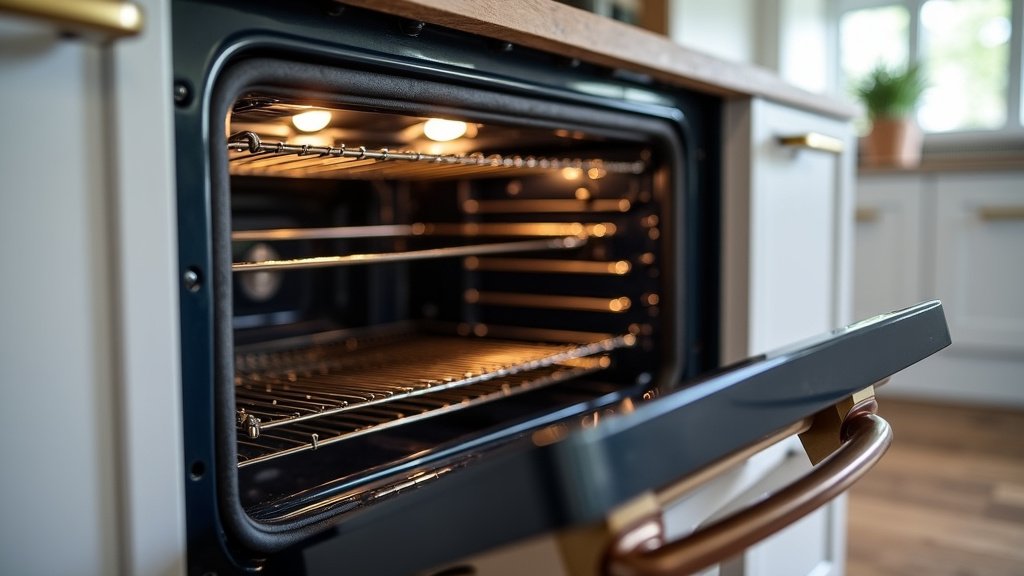
The most frequent reason for a poor oven door seal is a problem with the door gasket. This is the rubbery or fibrous strip that runs around the edge of your oven door. Its job is to create an airtight seal against the oven cavity.
Over time, this gasket can become worn, brittle, torn, or even detached. Think of it like the seal on your car door – when it’s cracked, you feel the wind. The same principle applies to your oven.
Signs of a Failing Gasket
How can you tell if your gasket is the culprit? Several signs point to a worn-out seal. You might notice:
- Visible damage: Look closely at the gasket. Do you see any cracks, tears, or areas where it’s pulled away from the door frame?
- Loose or flimsy feel: Gently try to wiggle the gasket. If it feels loose, brittle, or overly soft, it’s probably lost its sealing power.
- Food debris: Sometimes, grease or food particles can get trapped in the gasket’s folds, preventing a tight closure.
- Heat escaping: Can you feel heat radiating from the edges of the door when the oven is on? This is a sure sign the seal is compromised.
Replacing a Damaged Gasket
Replacing a door gasket is often a DIY-friendly repair. Most oven manufacturers use a gasket that is held in place by clips or is simply tucked into a channel. First, consult your oven’s manual for specific instructions. If you don’t have it, a quick online search for your oven model should provide a diagram or video.
You’ll need to purchase a replacement gasket specifically designed for your oven model. You can usually find these online or at appliance parts stores. Once you have the new gasket, carefully remove the old one, making sure to clean the channel where it sits. Then, insert the new gasket, ensuring it’s snug and evenly seated all the way around.
When Hinges Don’t Cooperate
Sometimes, the problem isn’t with the seal itself, but with the door’s ability to close properly. This is where the oven door hinges come into play. If these hinges are bent, damaged, or misaligned, they can prevent the door from seating flush against the oven frame.
Identifying Hinge Issues
A faulty hinge often shows itself in a few ways:
- Uneven gap: You might notice the gap between the door and the oven frame is wider on one side than the other.
- Sticking or stiff door: Does the door feel stiff when you open or close it? This could indicate a hinge problem.
- Door sags: The door might appear to sag or not hang straight.
- Visible damage: Inspect the hinges for any signs of bending, rust, or breakage.
Addressing Bent or Damaged Hinges
Minor hinge misalignment can sometimes be corrected by adjusting screws that attach the hinge to the oven frame. Always make sure the oven is unplugged or the circuit breaker is turned off before attempting any repairs.
If the hinges are visibly bent or broken, they will likely need to be replaced. This is a repair that might be best left to a professional appliance technician if you’re not comfortable with it. However, if you’re handy, you can order replacement hinges for your specific oven model and carefully install them, following the manufacturer’s guidelines.
The Role of Door Latches and Mechanisms
Some ovens have a latching mechanism to ensure the door closes securely, especially models with self-cleaning features. If this latch is faulty or not engaging correctly, it can lead to a poor seal.
Troubleshooting a Stubborn Latch
When you close the oven door, you should hear or feel a slight click as the latch engages. If you don’t, or if the door still feels loose after closing, the latch might be the issue. Check for obvious obstructions or damage to the latch components.
In some cases, the latch might simply need to be cleaned or lubricated. For more complex latch issues, replacement might be necessary. Again, consult your oven’s manual or a professional for assistance with this component.
Obstructions: The Simple Stuff You Might Overlook
Before you dive into replacing parts, let’s consider the simplest cause: something is physically blocking the door from closing completely. This is surprisingly common!
What to Look For
Gently inspect the area around the oven door and frame. You might find:
- Food debris: Crumbs, spills, or baked-on residue can accumulate, especially around the gasket and the oven cavity opening.
- Cleaning supplies: Did you leave a sponge or cloth on the edge?
- Oven racks: Sometimes, if an oven rack isn’t fully pushed in, it can prevent the door from closing flush.
The Quick Fix: Cleaning and Clearing
A thorough cleaning can often solve this problem. Ensure your oven is cool and unplugged. Use a damp cloth and mild detergent to wipe down the door gasket, the oven cavity opening, and the edges of the oven door. Pay close attention to any crevices where debris might hide. Once clean, try closing the door again.
We found that regularly cleaning the oven door seal and surrounding area can prevent many common sealing issues before they start. It’s a simple maintenance task that keeps your oven running efficiently.
When Heat Escapes: Understanding the Consequences
So, why is a proper seal so vital? When your oven door doesn’t seal tightly, several things happen. The most immediate effect is heat loss. This means your oven has to work harder to maintain the set temperature.
Impact on Cooking Performance
This struggle to maintain temperature directly impacts your cooking. Baked goods might not rise properly, or they might cook unevenly, with hot spots and cooler areas. We found that recipes requiring precise temperatures can be particularly challenging with a leaky door.
For example, baking a delicate cake might result in a sunken center or a burnt top because the temperature fluctuates too much. Roasting meats could take longer than expected or come out drier than you’d like.
Energy Efficiency Concerns
Beyond cooking quality, a poor seal is a major drain on energy efficiency. Your oven will consume more electricity or gas trying to compensate for the lost heat. This translates to higher utility bills. Many energy-saving guidelines highlight the importance of appliance seals for efficiency (U.S. Department of Energy).
Think of it like leaving a window open in your home during winter. The heating system runs constantly, but the room never feels as warm as it should, and your energy bill climbs. An oven with a leaky door operates on the same principle.
Quick Checklist for Your Oven Door Seal
Before calling a repair person, run through this quick checklist. Often, the fix is simpler than you think!
- Inspect the gasket: Look for tears, wear, or loose spots.
- Check for obstructions: Clear any debris around the door and frame.
- Test the hinges: Ensure the door closes evenly and doesn’t sag.
- Feel for heat: Is heat escaping from the door edges when the oven is on?
- Listen for the latch: Does the door close with a secure feel?
- Clean the seal area: A simple wipe-down can sometimes do the trick.
Conclusion
You’ve learned that a leaky oven door seal isn’t just an annoyance; it’s a drain on your kitchen’s efficiency. We found that a damaged gasket, bent hinges, or simple obstructions are often the root causes. By following the troubleshooting steps, you can likely identify and fix the issue yourself. Regularly cleaning your oven door and checking its seal can prevent future problems. Get your oven sealing properly again to enjoy more consistent baking and save on energy costs. Your next step is to perform that quick checklist to get your oven back in top shape.
Frequently Asked Questions
How often should I check my oven door gasket?
We recommend inspecting your oven door gasket at least every 6 months, or whenever you notice a significant change in your oven’s performance. Look for any visible signs of wear, tears, or if it feels loose. Early detection can save you from inefficient cooking and wasted energy.
Can a simple cleaning really fix an oven door seal?
Yes, absolutely! We’ve seen that accumulated food debris, grease, or even cleaning residue can create small gaps. A thorough cleaning of the gasket and the oven frame can often reseat the gasket properly, restoring a tight seal. It’s a quick and easy first step to try.
My oven door sags slightly. Is that a hinge problem?
A sagging oven door is a strong indicator of hinge issues. If the hinges are bent, worn, or misaligned, they won’t hold the door level, leading to a poor seal. You might need to adjust the hinge screws or, in some cases, replace the hinges entirely.
Is it safe to use my oven if the door isn’t sealing well?
While your oven will still function, it’s not ideal. We found that an improper seal leads to uneven cooking temperatures and increased energy consumption. It can also make your kitchen hotter than it needs to be. It’s best to address the issue for optimal performance and safety.
Where can I buy a replacement oven door gasket or hinges?
You can typically find replacement parts for your specific oven model at appliance parts stores or through online retailers. Always check your oven’s manual or the manufacturer’s website for the correct part number. You may need your oven’s model number to ensure you order the right fit.
