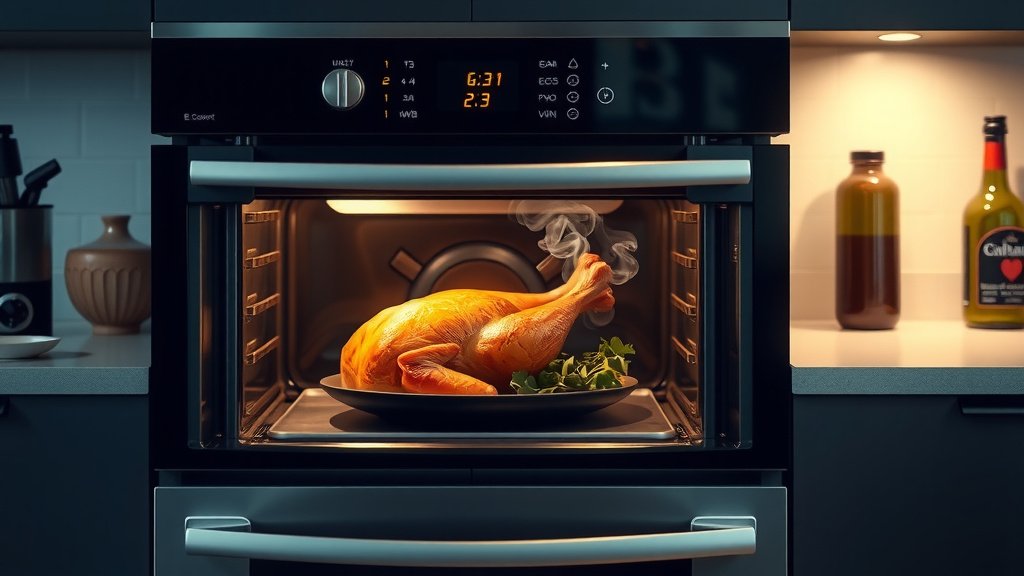
While smart ovens excel at precise temperature control, they generally cannot detect when food is truly overcooked in the way a human can assess texture or moisture loss.
Current smart oven technology primarily relies on internal temperature probes to monitor doneness, sending alerts when a pre-set internal temperature is reached, which helps prevent undercooking but isn’t foolproof against an undesirable texture from extended cooking.
TL;DR: Here’s the quick scoop on smart ovens and overcooking:
- Smart ovens are great for controlling temperature but usually don’t “know” when food is overcooked.
- They use temperature probes, which tell you when the inside of food hits a specific heat, not if it’s dry.
- Features like pre-set programs and remote alerts help you intervene, but aren’t magic overcook preventers.
- True overcooking involves more than just temperature, like moisture loss and texture changes.
- Your senses and a good recipe are still your best tools for perfect results.
Can Smart Oven Detect When Food Is Overcooked?
Smart ovens, in their current form, cannot directly detect when food is overcooked in the way you might notice dry chicken or mushy vegetables.
They primarily use internal temperature readings to signal when a specific doneness temperature is achieved, which helps prevent undercooking, but overcooking is a more complex issue.
What Makes a Smart Oven “Smart,” Exactly?
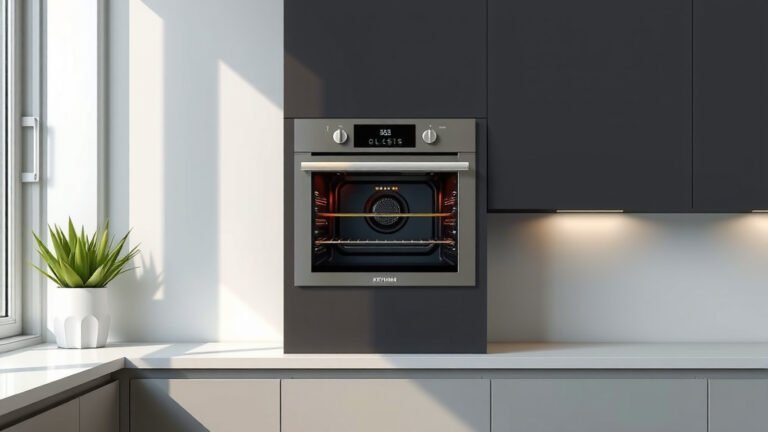
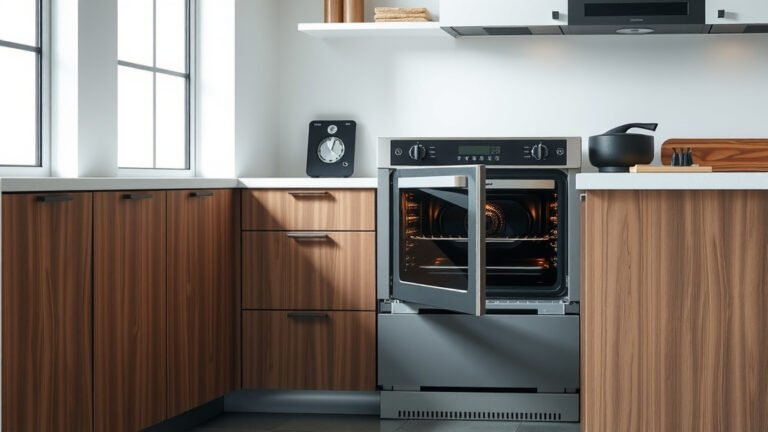
Think of a smart oven as a very good assistant. It connects to your Wi-Fi, lets you control it from your phone, and often has pre-programmed recipe help.
These ovens use sensors to maintain exact temperatures, often better than older models. Many even include probes you stick into your food.
How Smart Ovens Monitor Food (It’s About Temperature)
The main way a smart oven “sees” your food is through its temperature sensors. An internal meat probe, for instance, measures the exact heat inside a roast.
Once your food hits a target temperature, the oven might send an alert. This is super helpful for food safety and preventing undercooked meals (Food Safety Guidelines).
Temperature vs. True Doneness: A Key Difference
Imagine baking a cake. Its internal temperature might reach the right point, but if you leave it in too long, it dries out.
That’s the difference. Temperature tells you if it’s cooked through. True doneness considers texture, moisture, and overall appeal.
Why Overcooking Goes Beyond Just Heat
When food overcooks, it’s not simply too hot. It loses moisture, changes texture, and sometimes even its flavor.
Think about a steak. It can reach 145°F, but if it stays in too long, it becomes tough and dry.
Smart ovens don’t have sensors that can “feel” dryness or toughness. They can’t assess the breakdown of your food’s structure.
What Smart Ovens *Can* Do to Help You Avoid Overcooked Meals
Even without direct overcooking detection, smart ovens offer fantastic tools to help you prevent it.
They empower you with information and control, letting you step in before your meal is ruined. You’re still the chef, but with better tools.
Precision Temperature Control
One of the best features is their ability to hold a precise temperature. This consistency helps cook food evenly.
A stable oven temperature means less risk of hot spots that can overcook parts of your dish.
Pre-programmed Cooking Cycles and Recipes
Many smart ovens come with built-in recipes or cooking modes. You select “roast chicken,” and the oven handles the timing and temperature.
These programs often use algorithms to provide optimal cooking times. They certainly reduce the chances of setting the wrong temperature or time.
Remote Monitoring and Alerts
This is a huge benefit. You can check your food’s progress from another room or even out of the house using your phone.
When the internal probe hits its target, or the timer goes off, your phone gets an alert. This means you can pull your food out right on time.
Food Recognition Technology: The Future?
Some newer, advanced models are exploring food recognition using cameras and AI. They might identify what you’ve put in.
While exciting, this is mostly for suggesting cooking modes now, not for real-time assessment of overcooked texture. Many experts say this is still a future goal.
Where Smart Ovens Currently Fall Short
Despite their advancements, smart ovens can’t measure the actual moisture content in your food.
They also don’t assess the chewiness of your steak or the tenderness of your veggies. These are human sensory tasks.
Your Role in Preventing Overcooked Meals
You remain the most important “smart” element in your kitchen. Here are practical tips to ensure perfectly cooked dishes.
Combining your culinary skills with your oven’s technology is the ultimate recipe for success.
Using Internal Meat Probes Wisely
Always insert the probe into the thickest part of the meat, avoiding bone. Calibrate your probe occasionally if it’s removable.
Understand target temperatures for different meats. Pull meat a few degrees before the final target; it will continue to cook as it rests.
Trusting Your Senses: Sight, Smell, Touch
Your eyes tell you if something is browning too quickly. Your nose can detect burning or an overly strong cooked aroma.
For baked goods, a quick touch or a clean toothpick test is often more accurate than just a timer.
Following Reliable Recipes
A well-tested recipe provides not just ingredients but also critical timing and temperature instructions.
Always factor in differences in oven calibration or food starting temperature when using a new recipe.
Quick Checklist for Perfect Doneness
To help you avoid overcooked food, keep these points in mind:
- Check the internal temperature with a reliable probe.
- Look for appropriate browning and color changes.
- Listen for sizzling, not aggressive burning.
- Feel for tenderness or firmness as expected.
- Smell for appealing aromas, not burnt notes.
- Rest meats properly to redistribute juices.
Comparing Smart Oven Assistance to True Overcooking Detection
| Smart Oven Feature | How It Helps | Does it Detect Overcooking? |
|---|---|---|
| Internal Meat Probe | Monitors internal temperature, alerts when target is met. | No, only temperature. Food can still dry out. |
| Pre-programmed Recipes | Suggests optimal times and temperatures. | No, relies on averages. Doesn’t account for food variations. |
| Remote Alerts | Notifies you when cooking time or temp is reached. | Indirectly, by letting you intervene. Doesn’t sense food condition. |
| Precision Heating | Maintains stable, even oven temperature. | No, prevents uneven cooking but not prolonged exposure. |
The Future of Smart Ovens and Perfect Doneness
The technology is constantly moving forward. We might see more advanced sensors in the future.
Imagine ovens with humidity sensors or optical scanners that analyze surface texture. Many experts say this could change the game.
For now, the best approach is to use your smart oven’s incredible precision alongside your own culinary judgment.
Conclusion
While your smart oven is a powerful kitchen tool, providing amazing control and convenience, it doesn’t have a magical “overcooked” sensor.
It truly excels at reaching and maintaining precise temperatures, helping you hit those crucial doneness targets and alerting you when it’s time to intervene.
By blending the precision of your smart oven with your own senses and good cooking practices, you can consistently create delicious, perfectly cooked meals every time. You’ve got this!
FAQs
Do smart ovens prevent food from burning?
Smart ovens can help prevent burning by maintaining precise temperatures and alerting you when cooking cycles are complete. You still need to remove the food promptly, as they don’t automatically shut off if food starts to char.
Can smart ovens adjust cooking time automatically?
Many smart ovens offer pre-set programs that suggest or automatically adjust cooking times and temperatures based on the selected dish. Some advanced models use internal probes to adjust the remaining time based on current food temperature, aiming for consistency.
Are smart oven meat probes always accurate?
Smart oven meat probes are generally quite accurate, but they can sometimes be off by a few degrees. We found that proper placement, regular cleaning, and occasional calibration checks (if removable) can help ensure their reliability. Always double-check if you suspect an issue.
What is “carryover cooking” and why is it important for smart oven users?
Carryover cooking refers to the process where food continues to cook even after it’s removed from the oven, as residual heat distributes throughout. It’s important because you should often pull items like roasts a few degrees before their target to avoid overcooking during this resting period.
Can smart ovens detect if food is undercooked?
Yes, smart ovens are much better at detecting when food is undercooked, especially when using an internal temperature probe. Once the probe reaches the minimum safe internal temperature you set (e.g., 165°F for chicken), the oven will alert you, significantly reducing undercooked risks (USDA).