

When it comes to enameled Dutch ovens, there isn’t one single “best glaze” because they are all factory-applied and designed for durability. The enamel itself is the key, providing a non-reactive, durable surface that makes your Dutch oven a kitchen workhorse. This glaze protects your food from reacting with the iron and prevents sticking, making cleanup a breeze. You don’t typically choose a glaze; you choose an oven that has a high-quality enamel finish.
Understanding the enamel is important for proper care. It’s a glass-like coating fused to the cast iron. This coating ensures your Dutch oven is safe for acidic foods like tomatoes. It also means you should avoid harsh scrubbing or metal utensils that could scratch the protective enamel layer. Most well-known brands offer excellent enamel quality.
- Enameled Dutch ovens come with factory-applied glazes.
- The enamel is a durable, non-reactive glass-like coating.
- It prevents food from reacting with the iron.
- Avoid abrasive cleaners and tools to protect the glaze.
Let’s get into what makes enameled Dutch ovens so special and how to keep them looking their best for years to come. Understand how Dutch ovens come in different types and their oven-safe properties.
Understanding the Enameled Finish on Your Dutch Oven
When you’re looking at enameled Dutch ovens, you might wonder about the “glaze.” The truth is, you don’t really pick a glaze; rather, you’re choosing an oven that already has a high-quality enamel finish. This isn’t something you apply at home. It’s a factory-applied coating fused onto the cast iron. Think of it as a beautiful, durable, glass-like armor for your pot.
This enamel is the magic ingredient. It’s what makes your Dutch oven non-reactive. This means you can cook acidic foods like tomatoes or citrus without worrying about a metallic taste. It also prevents the iron from leaching into your food. Plus, it creates a naturally non-stick surface. This makes cooking and especially cleanup much more enjoyable. Most reputable brands offer excellent enamel quality, so you’re usually in good hands.
What Exactly Is Enamel Coating?
Enamel is essentially a type of glass. It’s made from silica, feldspar, and other minerals. These are ground into a fine powder. Then, water is added to create a slurry. This slurry is applied to the cast iron pot, both inside and out. The pot and the enamel are then fired at extremely high temperatures, usually over 1,400°F (760°C). This process fuses the enamel to the iron, creating a strong, smooth, and glossy finish. This fusion process is key to its durability.
The result is a surface that’s tough and resistant to chipping and staining. It’s also incredibly smooth. This smoothness is why foods tend to release easily. You won’t find porous spots where bacteria can hide. This makes it a very hygienic cooking surface. It’s the same kind of coating used on appliances, sinks, and even some bathtubs.
Why Enameled Surfaces Are Superior
The enamel coating offers several distinct advantages over bare cast iron. For starters, it’s easier to clean. You don’t need to season it like bare cast iron. It also handles a wider range of foods. You can confidently simmer tomato sauce or marinate in citrus juice. Bare cast iron can react with acids, potentially altering the flavor and damaging the pan’s seasoning. Enameled pots avoid this issue entirely.
Another benefit is the even heat distribution inherent in cast iron, enhanced by the smooth enamel. This means no hot spots ruining your dish. Your stews will simmer beautifully, and your roasts will brown evenly. This consistency is a dream for any home cook. It truly simplifies the cooking process and delivers delicious results.
Caring for Your Dutch Oven’s Enameled Surface
Now that you understand what the enamel is, let’s talk about keeping it in top shape. While it’s durable, it’s not indestructible. Treating it with care will ensure your Dutch oven remains a kitchen staple for decades. Think of it as a long-term relationship; a little attention goes a long way.
Everyday Cleaning Practices
After you’ve finished cooking and enjoyed your meal, it’s time for a quick clean. Usually, a gentle wash with warm water and a mild dish soap is all you need. Use a soft sponge or cloth. Avoid abrasive materials. These can scratch the enamel, which you definitely want to avoid. For stuck-on bits, fill the pot with warm water and let it soak for a bit. This usually loosens most food residues.
Sometimes, stubborn food might stick. You can gently scrub with a nylon brush or a non-scratch scouring pad. If you still have trouble, a paste of baking soda and water can work wonders. Apply the paste, let it sit for a few minutes, then gently scrub. Many sources, including cookware manufacturers’ guides, recommend this gentle approach for effective stain removal without damaging the finish.
What to Avoid for Enamel Longevity
To keep your enamel looking pristine, there are a few things to steer clear of. Never use steel wool or harsh abrasive cleaners. These will scratch the surface. Avoid drastic temperature changes. Don’t plunge a hot pot into cold water; this thermal shock can cause cracking or chipping. This is a common reason for enamel damage (Cleveland Clinic).
Metal utensils like spatulas and whisks should also be avoided. They can scratch the enamel. Opt for wood, silicone, or heat-resistant plastic utensils instead. These tools are gentler on your cookware. They help preserve the beautiful finish for years to come. Your Dutch oven will thank you for the gentle treatment.
Dealing with Chips and Scratches
Minor chips or scratches are sometimes unavoidable with regular use. If you notice a small chip, especially on the interior, and it’s not sharp, the pot is often still usable. However, it’s best to avoid cooking highly acidic foods in that spot. If the chip is large, sharp, or exposing raw cast iron, it might be time to retire the pot or use it for decorative purposes. For scratches, they are often superficial and don’t affect performance, but avoid deepening them.
Stain Removal and Revitalization
Over time, you might notice some discoloration, especially on lighter-colored interiors. This is common and usually doesn’t affect the pot’s performance. For light stains, the baking soda paste method mentioned earlier is usually effective. For tougher stains, some people use a specialized enamel cleaner. These are formulated to be tough on stains but gentle on the coating.
We found that consistent, gentle cleaning is the best strategy. If you have dark cookware, interior staining might be less visible. However, maintaining the smooth surface is important regardless of color. A clean interior ensures no unwanted flavors transfer to your food. It also helps maintain that natural non-stick quality.
Understanding Dutch Oven Finishes: A Quick Comparison
While we’re focusing on enamel, it’s good to know what else is out there. This helps appreciate why enamel is so popular for everyday use.
| Feature | Enameled Cast Iron | Bare Cast Iron | Stainless Steel Clad |
|---|---|---|---|
| Reacts with Food | No (non-reactive) | Yes (can react with acids) | No (non-reactive) |
| Seasoning Required | No | Yes (regularly) | No |
| Ease of Cleaning | Easy (non-stick) | Moderate (requires care) | Easy |
| Versatility (Acids) | High | Low | High |
| Durability | Very High (but can chip) | Extremely High (but can rust) | Very High |
| Appearance | Glossy, many colors | Matte, black/gray | Sleek, metallic |
As you can see, enameled Dutch ovens offer a fantastic balance of performance and ease of use. They combine the excellent heat retention of cast iron with a convenient, easy-to-maintain surface. This makes them a favorite for a wide range of cooking tasks.
Choosing the Right Color for You
The color of the enamel is purely aesthetic. It doesn’t impact performance or durability. Lighter colors, like white or cream, can sometimes show stains more readily. However, they also make it easier to see if your pot is thoroughly clean. Darker colors, like black or navy, tend to hide stains better. They also have a classic, sophisticated look.
Many brands offer a rainbow of colors. You can pick one that matches your kitchen decor or simply one that brings you joy. The visual appeal is a bonus to the incredible functionality. Think about what makes you happy when you’re in the kitchen. That’s the best color choice for you.
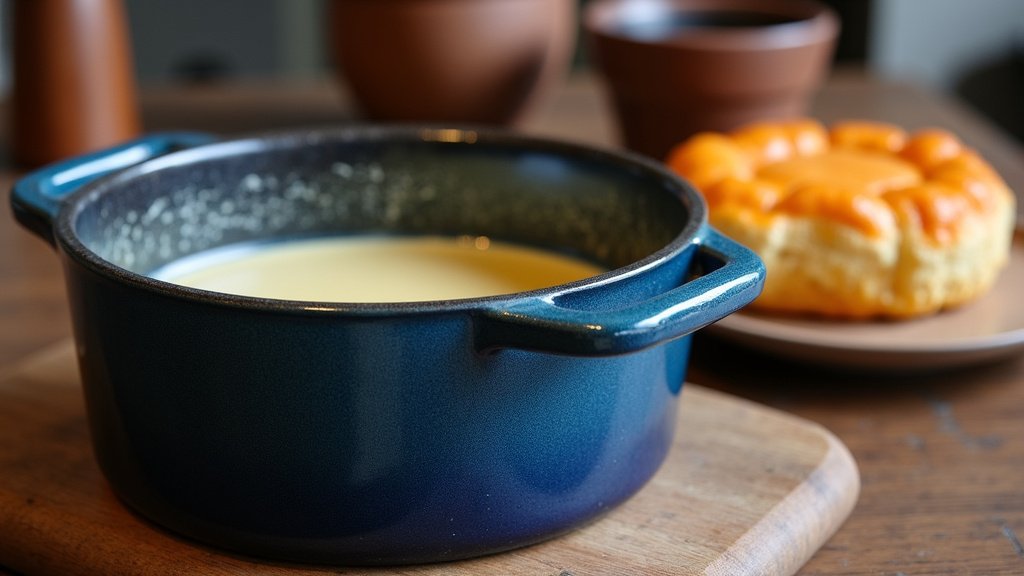
Maintaining Your Dutch Oven’s Shine
Keeping your enameled Dutch oven looking beautiful is part of the joy of owning one. With a few simple habits, you can maintain that gorgeous glaze for years.
- Use wooden, silicone, or plastic utensils.
- Avoid abrasive cleaners and scrubbers.
- Never use metal scour pads or steel wool.
- Don’t expose a hot pot to extreme cold.
- Clean promptly after use.
Following these guidelines helps protect your investment. It ensures your Dutch oven continues to be a reliable partner in your culinary adventures. Happy cooking!
Conclusion
You’ve learned that the “best glaze” for your enameled Dutch oven isn’t something you pick out or apply yourself. Instead, it’s the high-quality, factory-applied enamel coating that makes your pot a durable, non-reactive kitchen star. This glass-like fusion protects your food and simplifies cleanup. By understanding what enamel is and how to care for it – using gentle cleaning methods and avoiding harsh tools – you ensure your Dutch oven remains a reliable cooking companion for years. Now, go forth and cook with confidence!
Frequently Asked Questions
Can I re-glaze my enameled Dutch oven?
No, you cannot re-glaze an enameled Dutch oven at home. The enamel is fused to the cast iron at extremely high temperatures in a factory setting. Attempting to re-glaze it yourself is not feasible and could damage the pot.
What are the signs of a good quality enamel finish?
A good quality enamel finish will be smooth, glossy, and free of significant pits or bubbles. It should appear evenly applied without thin spots. The interior enamel should also be a consistent color and feel slick, contributing to its non-stick properties.
Is it okay if my enameled Dutch oven has small imperfections in the glaze?
Minor imperfections like tiny pinpricks or slight variations in color might occur, especially in older or more artisanal pieces. If these don’t affect performance and aren’t sharp, they are often considered normal. However, large chips or cracks mean the enamel is compromised.
Will the color of the enamel affect how my Dutch oven cooks?
The color of the enamel glaze has absolutely no impact on cooking performance. Lighter colors might show stains more easily, while darker colors can hide them. The cooking properties, such as heat retention and even heating, are determined by the cast iron core and the quality of the enamel itself, not its hue.
What should I do if my new Dutch oven has a noticeable chip in the enamel?
If your new Dutch oven arrives with a noticeable chip, especially on the interior cooking surface, you should contact the manufacturer or retailer immediately. This is likely a defect, and you should seek a replacement or repair under warranty rather than using a potentially compromised pot.
