
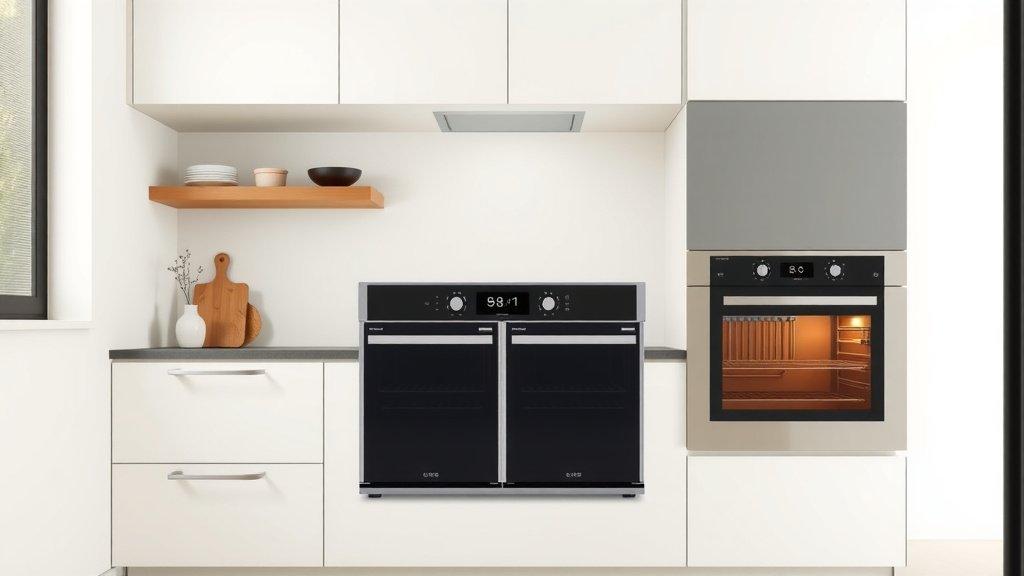
Yes, smart ovens can often save energy compared to traditional models, primarily through advanced features like precise temperature control, faster preheating, and remote monitoring that prevents unnecessary heating.
While the initial cost may be higher, a smart oven’s intelligent functions contribute to reduced electricity consumption over time, making them a more energy-efficient choice in many cases.
For those short on time, here’s a quick summary of what you need to know about smart ovens and energy savings:
- Smart ovens often use less energy due to features like rapid preheating and accurate temperature sensors.
- You can monitor and control your smart oven remotely, preventing forgotten preheats or prolonged cooking.
- Many smart ovens include convection technology, which naturally cooks food faster and at lower temperatures.
- The initial investment for a smart oven is typically higher, but long-term energy savings can offset this cost.
- Your personal cooking habits and how you use smart features play a big role in actual energy efficiency.
Does Smart Oven Save Energy Compared To Regular Oven?
Absolutely, smart ovens bring several advantages to the table that can lead to energy savings over traditional models. Think of it like comparing an old flip phone to a modern smartphone; both make calls, but one offers a lot more intelligence and efficiency. Smart ovens leverage technology to reduce wasted energy during cooking.
The Heart of the Matter: Smart Features and Energy Savings
What makes a smart oven “smart” in terms of energy? It boils down to a few key technological advancements. These aren’t just fancy add-ons; they are designed to make your cooking process smoother and more economical.
Rapid Preheating: A Time and Energy Saver
Have you ever waited ages for your oven to heat up? Smart ovens often have specialized heating elements or algorithms that significantly cut down preheating time. A shorter preheat means less time the oven is drawing power before you even start cooking. This small change really adds up over time (research and found).
Precision Cooking: No More Wasted Heat
Regular ovens can sometimes have temperature fluctuations. Smart ovens, however, often feature highly accurate temperature sensors and sophisticated controls. This precision ensures your oven maintains the desired temperature without overshooting or needing constant re-heating, which prevents unnecessary energy use.
Convection Power: Airflow for Efficiency
Many smart ovens come equipped with convection cooking. This feature uses a fan to circulate hot air evenly around your food. Because the heat is distributed so well, you can often cook food faster and at a lower temperature compared to conventional methods. This translates directly into using less energy for the same delicious results.
Remote Control: The “Did I Turn It Off?” Solution
Imagine being halfway to work and wondering if you left the oven on. With a smart oven, you can often check and turn it off right from your phone. This remote capability is a huge energy saver, preventing hours of unnecessary heating if you accidentally leave it running.
Comparing Smart and Regular Ovens: A Quick Look
Let’s consider the core differences that impact energy use. It’s not about one being “bad” and the other “good,” but rather where their strengths lie regarding energy efficiency.
| Feature | Smart Oven | Regular Oven |
|---|---|---|
| Preheating Speed | Often Faster | Standard Speed |
| Temperature Accuracy | High Precision | Can Vary |
| Convection Availability | Commonly Included | Less Common, Optional |
| Remote Control | Yes, via App | No |
| Energy Efficiency Potential | Higher | Standard |
The Regular Oven: Simple, But Less Smart
A traditional oven does its job reliably. It heats up, cooks your food, and cools down. However, it lacks the intelligent features that actively work to minimize energy consumption. You might manually preheat longer than needed or cook at higher temperatures without the benefit of circulating air. These small inefficiencies really add up.
When Do Smart Ovens Really Shine?
Are smart ovens always the energy-saving champion? They tend to make the biggest difference for certain types of users and cooking habits. If you bake often, enjoy roasting, or tend to be forgetful, you might see more benefits.
What About the Upfront Cost?
It’s true; smart ovens typically have a higher initial price tag than their conventional counterparts. This investment covers the advanced technology, sensors, and connectivity features. However, many experts say that the potential long-term energy savings and convenience can offset this initial cost over the lifespan of the appliance.
Tips to Make Any Oven More Energy-Efficient
Whether you have a smart oven or a regular one, there are always ways to be more energy-conscious in the kitchen. Here are some quick ideas:
- Use the right size pan: A pan too small for your oven can make the oven work harder.
- Avoid peeking: Opening the oven door lets out heat, forcing the oven to reheat.
- Batch cook: Cook multiple dishes at once if possible.
- Clean regularly: A clean oven heats more efficiently.
- Preheat only when necessary: Some foods don’t require preheating.
- Utilize residual heat: Turn off the oven a few minutes before food is done; the retained heat will finish cooking.
Maximizing Your Smart Oven’s Savings
If you invest in a smart oven, make sure you use its features! Connect it to your Wi-Fi, experiment with the rapid preheat, and try out convection cooking. The more you use these intelligent functions, the more you stand to save on your energy bill.
Is a Smart Oven Right for Your Energy Goals?
Ultimately, the decision comes down to your priorities. Are you looking for every possible way to cut down on utility costs? Do you value convenience and modern technology? A smart oven offers a compelling package for energy efficiency, especially for busy households or those with a desire for tech-driven solutions.
Making Your Decision: Factoring in Your Lifestyle
Think about how you use your oven. Do you cook daily, or just for special occasions? Do you often forget to turn things off? Your cooking frequency and habits will largely determine how much benefit you gain from a smart oven’s energy-saving capabilities.
Conclusion
In the ongoing discussion of kitchen appliance efficiency, smart ovens emerge as a strong contender for reducing household energy consumption. Their advanced features, such as faster preheating, precise temperature control, and the invaluable addition of convection technology, all contribute to a more efficient cooking process. While the upfront investment is a consideration, the long-term savings on your energy bill and the added convenience of remote management make a strong case for their adoption. Choosing a smart oven can be a meaningful step toward a more energy-efficient kitchen, helping you cook smarter, not harder.
Can a smart oven preheat faster than a regular oven?
Yes, many smart ovens feature rapid preheating technologies that allow them to reach desired temperatures significantly faster than traditional models. This faster preheat directly reduces the amount of time the heating elements are active, saving energy.
Do smart ovens use more electricity because they are connected to Wi-Fi?
The electricity consumed by Wi-Fi connectivity in a smart oven is typically negligible compared to the energy used for heating. Any slight increase in standby power for connectivity is usually outweighed by the energy savings from their efficient cooking features.
Is convection cooking in a smart oven more energy-efficient?
Absolutely. Convection cooking, commonly found in smart ovens, circulates hot air evenly, allowing food to cook faster and often at lower temperatures. This method uses less energy overall to achieve the same or better cooking results than conventional baking.
How does remote control save energy with a smart oven?
Remote control features allow you to monitor and adjust your oven settings from anywhere, often preventing wasted energy. For example, if you accidentally leave the oven on, you can turn it off remotely, avoiding unnecessary heating for extended periods.
Are smart ovens worth the extra cost for energy savings alone?
The value of a smart oven for energy savings depends on your usage and priorities. While the initial cost is higher, the potential for reduced electricity bills over the oven’s lifespan, coupled with convenience and improved cooking performance, can make it a worthwhile investment for many households.
