
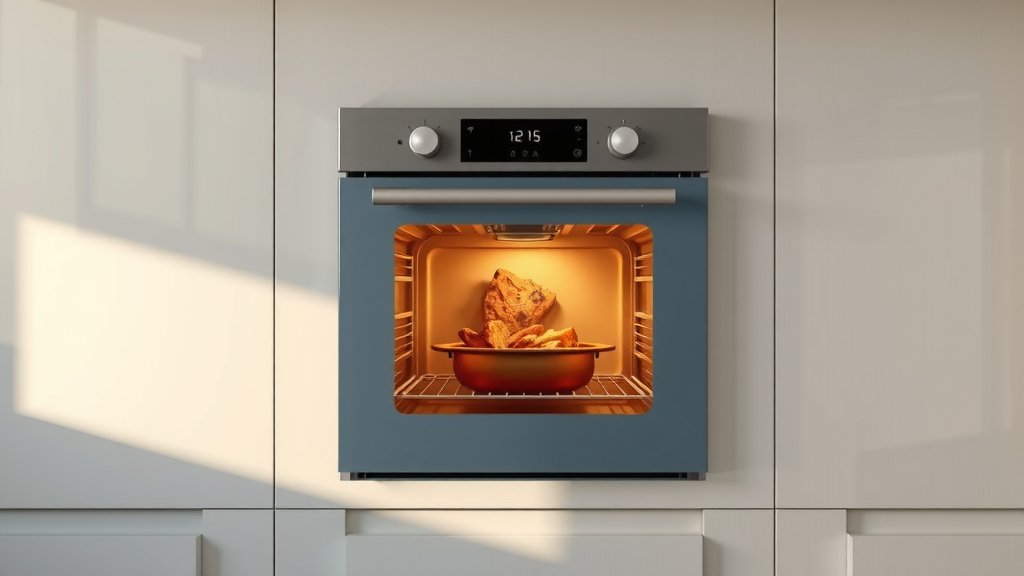
To slow cook in a single wall oven, set your oven to a low temperature, typically between 200°F (93°C) and 275°F (135°C), using an oven-safe, heavy-duty pot with a tight-fitting lid.
This method ensures even, gentle heat distribution for tender results when you slow cook in your single wall oven, transforming tough cuts into melt-in-your-mouth meals.
- Slow cooking in your single wall oven is completely possible and delivers amazing results.
- The secret lies in precise temperature control, usually between 200-275°F.
- Use a heavy, lidded pot like a Dutch oven to retain moisture and heat.
- Always calibrate your oven for accuracy; many run hotter or colder than set.
- Enjoy fall-apart tender meats and rich, flavorful stews with minimal fuss.
Ever gazed at your single wall oven and wondered if it holds the secret to those incredible slow-cooked dishes? You know, the kind that make your home smell amazing and promise fall-off-the-bone tenderness.
Good news! Your trusty oven is not just for roasting or baking. It’s a fantastic, often overlooked tool for slow cooking.
Think about it: a consistent, all-around heat source, perfect for braising and simmering. It’s a game-changer for busy weeknights or lazy weekends.
How To Slow Cook In A Single Wall Oven?
You slow cook in a single wall oven by setting it to a very low, consistent temperature and using the right heavy, covered cookware to maintain moisture and even heating.
This mimics the gentle, prolonged heat of a dedicated slow cooker, making tough ingredients incredibly tender.
Why Slow Cook in an Oven?
Why choose your oven for slow cooking? For one, it offers unparalleled heat consistency. Unlike stovetop methods, you get even warmth from all sides, not just the bottom.
This gentle, enveloping heat is perfect for slowly breaking down connective tissues in meat. You get incredibly tender results every time.
Plus, using your oven frees up valuable counter space. That means more room for prep or other cooking tasks.
Understanding Your Oven’s Temperature
The heart of successful slow cooking lies in precise temperature control. Most recipes call for temperatures between 200°F (93°C) and 275°F (135°C).
A temperature that’s too high can dry out your food or cook it too quickly. Too low, and your food might not reach a safe internal temperature.
We found that 225°F (107°C) is a popular sweet spot for many slow-cooked dishes (USDA food safety guidelines).
Calibrating Your Oven: A Must-Do
Before you start, do you know if your oven’s temperature dial is truly accurate? Many home ovens can be off by 25°F or even more.
This discrepancy can make a big difference in slow cooking. Investing in an inexpensive oven thermometer is a smart move.
Place it inside your oven and compare its reading to your oven’s display. Adjust your oven setting up or down to hit your target temperature accurately.
Choosing the Right Cookware
Your choice of pot makes a huge difference. You need something heavy that retains heat well and has a tight-fitting lid.
A good quality Dutch oven is often considered the gold standard for oven slow cooking. Its thick walls and heavy lid create a mini-environment for your food.
Other options include heavy ceramic casserole dishes with lids. The key is to minimize moisture loss and maintain a consistent internal temperature.
Selecting Your Ingredients Wisely
Slow cooking shines with certain cuts of meat and hearty vegetables. Think tough, cheaper cuts like chuck roast, pork shoulder, or beef brisket.
These cuts contain collagen and connective tissue that break down beautifully over low, slow heat, turning into gelatin and adding incredible richness.
Root vegetables like carrots, potatoes, and onions hold up well. They absorb flavors over time without turning to mush.
Setting the Stage: Prep Work
A little prep goes a long way. Start by searing your meat on the stovetop before placing it in the oven. This develops deep flavor and a beautiful crust.
Chop your vegetables to a consistent size so they cook evenly. Add aromatic ingredients like garlic and herbs early to infuse the entire dish.
Don’t forget your liquids! Broth, wine, or diced tomatoes contribute flavor and prevent your dish from drying out. Aim for enough liquid to partially submerge your ingredients.
Temperature and Time Guidelines
Here’s a general guide for slow cooking in your oven. Remember, these are starting points, and your specific oven and recipe may vary.
Always use a meat thermometer to ensure food safety.
| Dish | Oven Temperature | Approximate Time |
|---|---|---|
| Beef Stew (Chuck Roast) | 275°F (135°C) | 3-4 hours |
| Pork Shoulder (Pulled Pork) | 250°F (120°C) | 4-6 hours |
| Chicken Thighs (Braising) | 225°F (107°C) | 2-3 hours |
| Lamb Shank (Braised) | 275°F (135°C) | 3-5 hours |
| Vegetable Curry | 225°F (107°C) | 2-3 hours |
Managing Moisture for Tender Results
One of the biggest concerns with oven slow cooking is moisture loss. That’s why a tight-fitting lid is non-negotiable.
The lid traps steam, creating a humid environment that keeps your food moist and tender. Resist the urge to peek too often; each time you lift the lid, heat and moisture escape.
If your dish seems to be drying out, you can add a little more hot liquid, but try to avoid it by using a good lid.
Safety First: Food Handling
Food safety is paramount when slow cooking. Ensure your meat reaches a safe internal temperature to destroy harmful bacteria.
For beef, pork, and lamb, the minimum safe internal temperature is 145°F (63°C) with a 3-minute rest, though slow-cooked dishes typically go much higher for tenderness (USDA).
For poultry, it’s 165°F (74°C). Always use a reliable meat thermometer inserted into the thickest part of the meat.
Troubleshooting Common Issues
What if your meat isn’t tender enough? It likely needs more time. Low and slow cooking means *really* slow.
Is it too dry? You might have too high a temperature or a lid that isn’t sealing properly. Add more liquid next time, or lower the heat slightly.
Not enough flavor? Try searing the meat more thoroughly or adding a wider array of aromatics and spices at the beginning.
Making Adjustments for Perfection
Slow cooking is an art, not just a science. Don’t be afraid to taste and adjust as your dish cooks. This is where you make it truly your own.
Towards the end, check for seasoning. Does it need more salt? A pinch of sugar? A splash of acid like vinegar or lemon juice can brighten flavors.
Many experts say allowing the dish to rest for 10-15 minutes after cooking helps the flavors meld and the meat reabsorb juices.
The “Set It and Forget It” Myth
While slow cooking is often presented as hands-off, it’s not entirely “set it and forget it.” A quick check halfway through cooking is a good idea.
This allows you to ensure there’s enough liquid and that everything is cooking evenly. Just be quick about it to minimize heat loss.
Think of it as a gentle check-in, like saying hello to an old friend.
Tips for Perfect Oven Slow Cooking
Here are some quick pointers to ensure your oven slow cooking experience is fantastic:
- Invest in an Oven Thermometer: Your oven’s accuracy is everything.
- Sear Your Meat First: It builds a deep foundation of flavor.
- Use a Heavy, Lidded Pot: Essential for retaining heat and moisture.
- Resist the Urge to Peek: Every peek lets out valuable heat and steam.
- Add Enough Liquid: It prevents drying and contributes flavor.
- Don’t Rush It: Good things come to those who cook slowly.
Conclusion
Slow cooking in a single wall oven is not only possible but incredibly rewarding. It’s a method that promises succulent meats and rich, comforting stews with minimal effort once the initial prep is done.
By understanding your oven’s quirks, using the right tools, and following a few simple guidelines, you can transform your kitchen into a haven of delicious, slow-cooked meals. So, go ahead and give it a try—your taste buds will thank you!
Can I use any baking dish for slow cooking in the oven?
While technically you can use any oven-safe baking dish, for best results, you should use a heavy-bottomed pot with a tight-fitting lid, like a Dutch oven. This type of cookware provides better heat retention and prevents moisture loss, which are crucial for tender, moist slow-cooked dishes.
How do I prevent my slow-cooked food from drying out in the oven?
To prevent drying, always use a pot with a very tight-fitting lid to trap steam and moisture. Ensure your oven temperature is low and consistent, and don’t lift the lid unnecessarily during cooking. Adding enough liquid at the start, such as broth or stock, is also key.
What’s the ideal temperature range for oven slow cooking?
Most experts recommend a temperature range between 200°F (93°C) and 275°F (135°C) for slow cooking in an oven. This low heat allows connective tissues in meat to break down slowly, resulting in tender, flavorful dishes without overcooking or drying them out.
Do I need to preheat my oven for slow cooking?
Yes, always preheat your oven to the desired low temperature before placing your slow-cooking pot inside. This ensures a consistent and stable heat environment from the moment cooking begins, which is important for even cooking and food safety.
Can I leave my slow-cooked dish in the oven overnight?
While some people do this, it’s generally not recommended for food safety reasons. The “danger zone” for bacterial growth is between 40°F (4°C) and 140°F (60°C). Leaving food in a warm but cooling oven for extended periods could allow bacteria to multiply. It’s best to cook for the recommended time and then refrigerate promptly.
