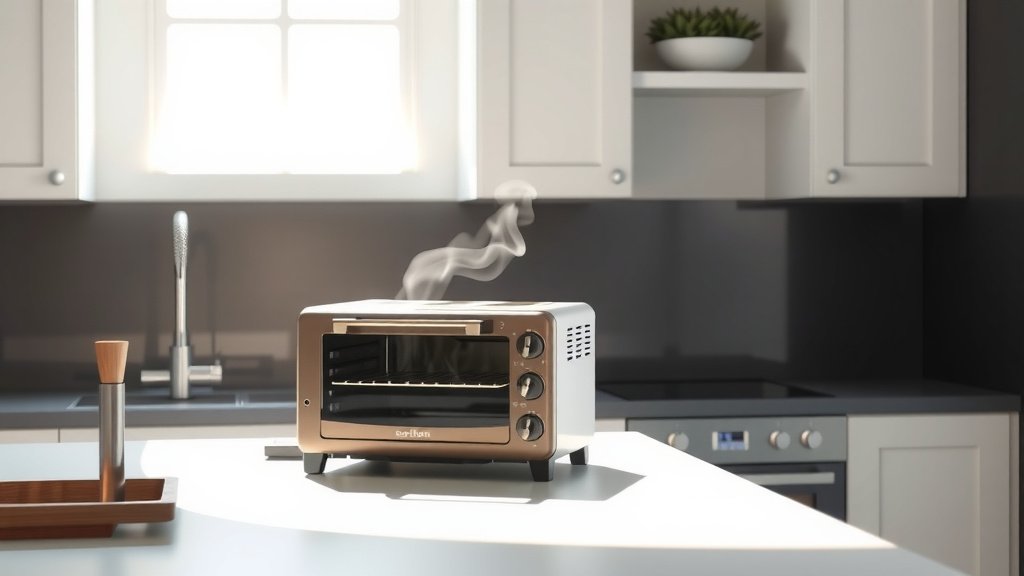
A toaster oven certainly can cause a fire if not used properly or maintained. These compact appliances generate intense heat, making vigilance essential.
Understanding the risks and following simple safety guidelines can significantly reduce the potential for a toaster oven fire in your home.
- Toaster ovens can cause fires due to high heat and proximity to flammable items.
- Common causes include food crumbs, unattended operation, and improper accessories.
- Regular cleaning, proper placement, and vigilance are key to preventing fires.
- Always use the right bakeware and never leave it running without supervision.
Can Toaster Oven Cause A Fire?
Yes, a toaster oven definitely can cause a fire. Its powerful heating elements and compact design mean it requires careful attention to prevent accidents.
Understanding the Toaster Oven’s Nature
Toaster ovens are incredibly convenient appliances, aren’t they? They toast bread, bake small dishes, and even roast a chicken. But what makes them so versatile also presents certain risks. You’re dealing with a powerful heating element in a relatively small space.
How Do Toaster Ovens Work?
Think of your toaster oven as a mini-oven. It uses electric heating coils, typically at the top and bottom, to generate radiant heat. This heat cooks your food quickly. It’s that rapid heating and the high temperatures reached that make them efficient – and sometimes, a little risky.
The Heat Factor
The internal temperature of a toaster oven can reach hundreds of degrees Fahrenheit. This intense heat is wonderful for cooking but can be problematic if not managed. Heat needs space, and anything too close to those hot elements can become a fire hazard. We often find that users underestimate just how hot these units get.
Common Culprits: Why Fires Start
So, what are the main reasons a toaster oven might spark a fire? It’s usually not a mystery; the causes are often preventable. Let’s look at the usual suspects that turn your handy appliance into a danger zone.
Food Crumbs and Grease Buildup
Ah, the humble crumb. They seem harmless, right? But over time, crumbs accumulate at the bottom of your toaster oven. When these bits get hot enough, they can smolder or catch fire. Grease from cooked foods also builds up. This oily residue is highly flammable and acts as fuel for any stray spark or super-heated crumb.
Overcooking and Left Unattended
Ever put something in the toaster oven and forget about it? We’ve all been there. Leaving food cooking for too long, especially high-fat items, can lead to it burning. Burnt food can ignite, and if you’re not around to notice, a small flame can quickly grow. Many experts say that unattended appliances are a leading cause of kitchen fires (NFPA).
Improper Usage of Pans and Wraps
Not all cookware is created equal, especially for a toaster oven. Using oversized pans that touch the heating elements is a big no-no. Plastic containers, wax paper, or even parchment paper not rated for high temperatures can melt or ignite. Always check if your bakeware is “oven-safe” and fits correctly. Aluminum foil needs careful placement too, ensuring it doesn’t touch the heating elements.
Electrical Issues and Faulty Wiring
Sometimes, the problem isn’t what you put inside, but the appliance itself. Older toaster ovens or those with damaged cords can develop electrical faults. Frayed wires or overloaded circuits can create sparks or excessive heat, leading to a fire. If you notice strange smells, flickering lights, or scorch marks around the outlet, stop using it immediately.
Safety Measures You Can Implement Today
The good news is that preventing toaster oven fires is mostly about common sense and good habits. You have the power to keep your kitchen safe.
- Always keep your toaster oven clean, especially the crumb tray.
- Ensure adequate space around the appliance for ventilation.
- Use only oven-safe bakeware that fits without touching elements.
- Never leave your toaster oven unattended while operating.
- Unplug the toaster oven when not in use for added safety.
Regular Cleaning is Non-Negotiable
This is probably the most important step. Make it a habit to clean your toaster oven often. Pull out the crumb tray and empty it after every few uses. Wipe down the interior to remove grease splatters. A clean oven is a safer oven.
Proper Placement and Ventilation
Where do you put your toaster oven? It should always be on a flat, stable, heat-resistant surface. More importantly, ensure ample space around it – at least 4-6 inches from walls, cabinets, or anything flammable. Curtains, paper towels, and even dishcloths are fire hazards if too close.
Using the Right Accessories
Only use bakeware specifically designed for toaster ovens. Avoid plastic, Styrofoam, or paper products that aren’t clearly labeled oven-safe. When using aluminum foil, make sure it’s snug around the food and doesn’t droop onto the heating elements. We found that this small detail prevents many potential fires.
Never Leave it Unattended
This bears repeating: never, ever walk away from a working toaster oven. It’s not a set-it-and-forget-it appliance. Stay in the kitchen. Keep an eye on your food. It only takes a moment for something to go wrong. Your presence is the best fire detector.
When to Be Extra Cautious
Some situations call for an even keener eye. Being aware of these circumstances helps you manage risk better.
Older Models vs. Newer Ones
Just like cars, toaster ovens age. Older models might have worn wiring, less efficient insulation, or simply be past their prime. While a new toaster oven doesn’t guarantee safety, it often comes with improved safety features. Consider replacing very old units. We’ve seen that older appliances often pose greater risks due to wear and tear.
Signs of a Malfunctioning Toaster Oven
Pay attention to your appliance. Does it smell like burning plastic or rubber? Are the heating elements glowing unevenly? Does it trip the circuit breaker? These are all red flags. If you notice any of these signs, stop using the toaster oven immediately and consider professional repair or replacement. Your safety isn’t worth a cheap repair.
Fire Safety Checklist for Your Toaster Oven
Here’s a quick mental checklist you can run through before and during use:
- Is the crumb tray clean and clear?
- Is there enough space around the oven (away from walls/curtains)?
- Is the power cord in good condition, not frayed?
- Are you using oven-safe bakeware that fits?
- Will you stay in the kitchen while it’s operating?
- Do you have a working fire extinguisher nearby?
Comparing Toaster Oven Safety Hazards
It helps to put the toaster oven’s risks into perspective by comparing it to other kitchen appliances.
| Appliance Type | Common Fire Hazard | Key Prevention Tip |
|---|---|---|
| Toaster Oven | Crumbs, grease, unattended use, improper bakeware | Regular cleaning, vigilance, correct accessories |
| Conventional Oven | Grease buildup, forgotten food, lining with foil | Routine cleaning, careful use of foil, staying nearby |
| Microwave | Metal objects, extended cooking, non-microwave-safe containers | Check labels, avoid metal, follow cooking times |
| Stovetop | Oil/grease fires, flammable materials near burners, unattended cooking | Keep area clear, don’t leave cooking, fire extinguisher |
As you can see, each appliance has its unique risks, but unattended use is a common thread across the board.
Conclusion
Yes, a toaster oven can cause a fire, but it doesn’t have to be a source of anxiety. By understanding the common causes – like crumbs, grease, and improper use – you can take simple yet powerful steps to prevent incidents. Regularly cleaning your appliance, ensuring proper placement, and always supervising its operation are your best defenses. Remember, your vigilance and responsible use are the most effective fire prevention tools in your kitchen. Stay safe, and enjoy the convenience your toaster oven brings!
What is the most common cause of toaster oven fires?
The most common causes of toaster oven fires are often food-related, specifically the buildup of crumbs and grease, which can ignite from the intense heat of the heating elements. Unattended cooking is also a significant factor.
Can I leave my toaster oven plugged in all the time?
While many people leave their toaster ovens plugged in, it’s generally safer to unplug it when not in use. This reduces the risk of electrical issues and ensures it isn’t accidentally turned on. It’s a simple step for added peace of mind.
Is it safe to put aluminum foil in a toaster oven?
You can use aluminum foil in a toaster oven, but with caution. Ensure the foil does not touch the heating elements, as this can cause arcing and potentially a fire. Always wrap food securely and keep the foil away from the top and bottom heating coils.
How much space should be around a toaster oven for safety?
For optimal safety and ventilation, you should maintain at least 4-6 inches of clear space around all sides of your toaster oven, including the top, back, and sides. This prevents heat buildup and keeps flammable items away from hot surfaces.
When should I replace my old toaster oven?
Consider replacing your toaster oven if it’s showing signs of wear and tear, such as frayed cords, uneven heating, strange smells, or if it frequently trips your circuit breaker. Older models, especially those over 5-7 years old, may also have outdated safety features and become less reliable.