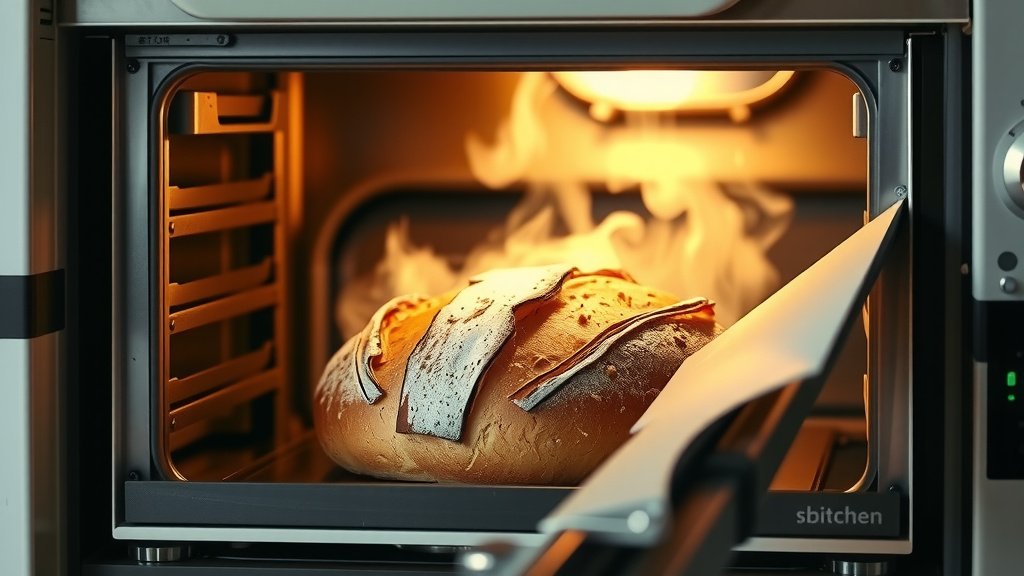
Yes, you absolutely can bake delicious bread in a steam oven, and many home bakers find it dramatically improves their loaves. The added moisture from steam creates a crispier crust and a softer, more airy interior, elevating your baking results.
Using a steam oven for bread baking provides a professional-level finish, often achieving results similar to a baker’s artisan loaf by mimicking commercial bakery conditions.
- Baking bread in a steam oven gives you a much better crust and crumb.
- Steam ovens prevent your bread from drying out too quickly during baking.
- You’ll often see more “oven spring,” meaning your bread rises beautifully.
- Many steam ovens have specific settings that make bread baking simpler.
Can You Bake Bread In A Steam Oven?
Absolutely, baking bread in a steam oven is not only possible but also highly recommended by baking experts. The steam creates an ideal environment for your dough to expand and develop a magnificent crust.
Why Use Steam for Baking Bread?
Think about a professional bakery; they often use ovens with steam injection. Why? Because steam plays a pivotal role in bread quality. It’s like giving your dough a spa day during baking.
The Magic of Crust
Steam keeps the outer surface of your dough moist for longer. This delays the crust formation, allowing the bread to fully expand. Without steam, the crust hardens too fast, limiting your loaf’s rise and leading to a denser final product.
Better Oven Spring
You know that beautiful burst and crack on top of artisan bread? That’s “oven spring.” Steam helps achieve this by keeping the dough skin elastic. This elasticity lets the dough stretch more dramatically, creating a bigger, airier loaf (King Arthur Baking Company).
Moisture Retention
The steam surrounds your bread, keeping its surface from drying out prematurely. This ensures a more even bake and helps the crumb stay wonderfully soft and moist inside. We found this especially true for sourdoughs.
Types of Steam Ovens
Not all steam ovens are created equal, but most can handle bread baking well. Understanding your oven’s capabilities helps you get the best possible results.
Combi-Steam Ovens
These are the most versatile for bread. Combi-steam ovens let you combine dry heat with steam. You can set specific humidity levels or switch between steam and dry baking phases. Many experts say this gives you the most control over your bake.
Full-Steam Ovens
While great for vegetables and re-heating, full-steam ovens might be less ideal for bread without a dry heat option. You might use them for just the initial steaming phase, then transfer the bread or finish in a conventional oven. They are excellent for specific tasks.
Adding Steam to Regular Ovens
If you don’t have a steam oven, you can still add steam. Placing a pan of hot water on the bottom rack works. You can also spray water into the oven or use a Dutch oven. These methods help, but a dedicated steam oven offers consistent and controlled steam.
Getting Started: What You Need
Baking bread in a steam oven is quite straightforward. You likely already have most of what you need. A few key items will make your experience smoother.
- A good bread recipe (specifically for artisan loaves if possible).
- Your prepared dough, proofed and ready to bake.
- Parchment paper or a baking stone/steel.
- Oven mitts, because safety first!
- A cooling rack for your finished loaf.
Step-by-Step Guide to Baking Bread in a Steam Oven
Let’s walk through the process. It’s simpler than you might think, especially with a steam-capable appliance. Just follow these easy steps.
Preheating is Key
Always preheat your oven fully. For bread, this usually means heating to a high temperature, around 450-475°F (230-245°C). Ensure the oven and any baking surfaces are hot and ready.
Placing Your Dough
Carefully transfer your proofed dough to the hot baking surface. Use parchment paper for easy handling. Try not to let the dough sit out too long once proofed, as it can lose its structure.
Steam Phase First
Many combi-steam ovens have specific bread programs. If not, set your oven to a steam or combi-steam setting for the first 15-20 minutes. This is when the oven spring really happens. The steam ensures a lovely, thin crust develops.
Finishing Strong
After the steam phase, reduce the temperature and switch to a dry heat setting. This allows the crust to brown and crisp up beautifully. Finish baking until the bread reaches an internal temperature of around 200-210°F (93-99°C). We found this range ensures a fully baked interior.
Adjusting Your Recipe for Steam
You generally don’t need major changes to your favorite bread recipe. However, you might find you need slightly less hydration in the dough. Or, you can aim for a longer proofing time, as the steam will help with expansion regardless. Experiment to find what works best for you.
Common Mistakes to Avoid
Baking bread in a steam oven is rewarding, but there are a few common pitfalls. Don’t worry, they are easy to fix. Forgetting to preheat fully is one, and it can affect oven spring.
Another common mistake is removing the steam too early or too late. Too early, and you lose oven spring. Too late, and you might get a soft crust. Pay attention to your recipe’s guidance or your oven’s programs for optimal timing.
Troubleshooting Your Steam-Baked Bread
Sometimes things don’t go perfectly, and that’s okay! Here’s a quick guide to fix some common issues. Baking is a learning process, and adjustments are normal.
| Problem | Possible Cause | Solution |
|---|---|---|
| Crust too thick/hard | Not enough steam, or steam removed too early. | Increase steam time; ensure oven is hot. |
| Bread didn’t rise enough | Under-proofed, oven not hot enough, or too little steam. | Proof longer, preheat thoroughly, extend steam. |
| Crumb is gummy | Under-baked or too much moisture. | Bake longer; reduce initial hydration slightly. |
| Crust too soft | Too much steam for too long, or cooled incorrectly. | Shorten steam time; finish with dry heat; cool on rack. |
Beyond Crust: Flavor and Texture
It’s not just about the look; steam also contributes to a better flavor profile. The longer, gentler rise allows more complex flavors to develop. The resulting texture is often more open and pleasing than bread baked without steam.
Imagine biting into a slice of bread with a perfectly crisp, chewy crust and an airy, tender inside. That’s the promise of a steam oven. It truly can transform your homemade loaves.
Conclusion
Baking bread in a steam oven is a fantastic way to elevate your homemade loaves to professional levels. The controlled moisture provides better oven spring, a crisper crust, and a more tender crumb. Whether you have a combi-steam oven or a full-steam model, harnessing the power of steam will consistently deliver delicious, impressive results. So, go ahead and give it a try; your taste buds will thank you!
FAQ: What kind of bread can I bake in a steam oven?
You can bake almost any type of bread in a steam oven. It’s particularly excellent for artisan loaves like sourdough, baguettes, and country-style breads where a beautiful crust and open crumb are desired. Even enriched breads like challah or brioche can benefit from the initial steam for a softer crust.
FAQ: Do I need a special pan for steam oven bread?
No, you generally don’t need a special pan. A regular baking sheet, baking stone, or cast iron Dutch oven will work perfectly. The key is that the oven itself provides the steam, not a specialized pan to create it. Parchment paper is always helpful for easy transfer and cleanup.
FAQ: How long should I steam my bread?
Typically, the steam phase lasts for the first 15 to 20 minutes of baking. This crucial period allows the bread to expand fully before the crust sets. After this, you usually switch to dry heat to brown and crisp the crust. Always check your recipe or oven manual for specific recommendations.
FAQ: Can a steam oven replace a Dutch oven?
For many bakers, a combi-steam oven can effectively replace a Dutch oven for artisan bread. Both methods aim to trap steam around the loaf. A steam oven offers more precise control over steam duration and temperature, often providing more consistent results without needing to preheat a heavy pot.
FAQ: What if my bread crust is too soft?
If your bread crust is too soft, it might be due to too much steam, or steam for too long. Try reducing the initial steaming time by a few minutes. Also, ensure you finish the bake with adequate dry heat at a higher temperature to fully crisp the crust. Always cool your bread completely on a wire rack to prevent steam from softening the bottom.