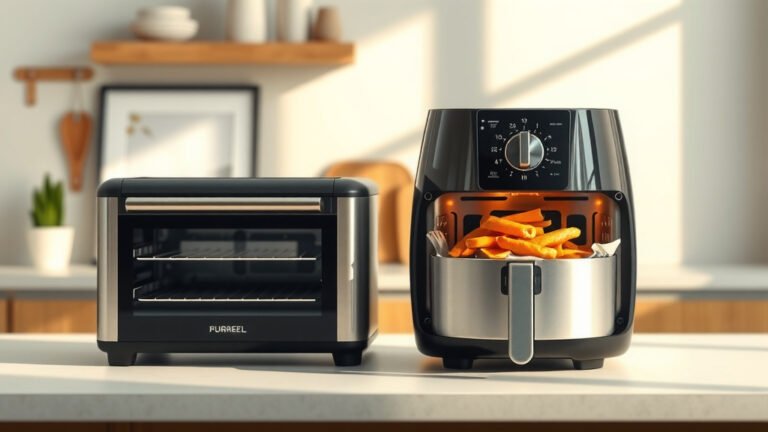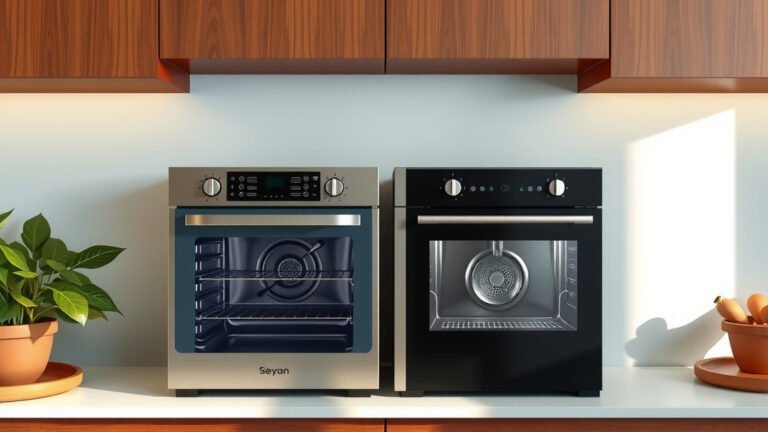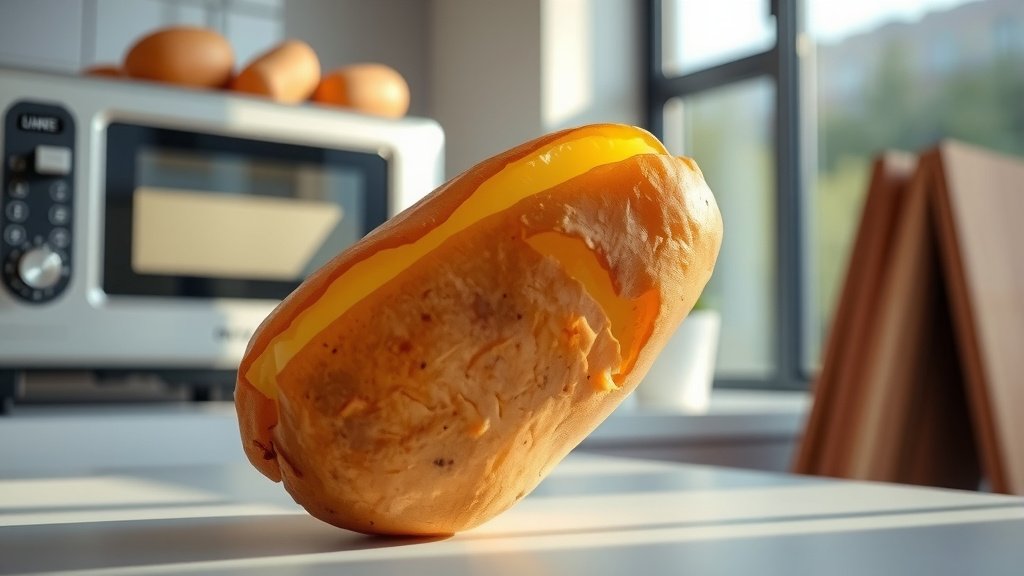
Yes, you absolutely can make a delicious baked potato in a toaster oven. It’s a fantastic, energy-efficient way to get that perfectly fluffy interior and crispy skin without firing up a large appliance.
Using your toaster oven for baked potatoes is not only possible but often more convenient for one or two servings, delivering excellent results that rival a conventional oven.
Here’s a quick rundown of what you’ll learn about toaster oven baked potatoes:
- You can achieve a perfectly fluffy interior and crispy skin.
- Toaster ovens are energy-efficient for smaller batches.
- Russet potatoes are generally the best choice for baking.
- Proper prep like washing and pricking is key to success.
- Cooking typically takes 45-60 minutes at 400°F (200°C).
Can You Make A Baked Potato In Toaster Oven?
Yes, you can confidently bake a potato in your toaster oven. It’s a smart choice for individuals or small families looking for a less energy-intensive method.
Many home cooks find it surprisingly simple and effective, yielding results just as satisfying as a full-sized oven (research suggests smaller appliances can be more efficient for small tasks).
Why Your Toaster Oven is a Potato-Baking Powerhouse
Think of your toaster oven as a mini-oven, perfect for small jobs. It heats up much faster than a standard oven.
This means less waiting time and less energy consumption for just one or two potatoes. It’s a practical kitchen hero!
The Benefits of Going Small
You’ll appreciate the quick preheat time. Also, keeping your main oven free is a plus, especially when other dishes are cooking.
Plus, in warmer months, avoiding a hot kitchen from a large oven is a welcome relief.
Choosing the Right Potato for Perfection
For a classic, fluffy baked potato, Russet potatoes are your best friend. Their high starch content makes them ideal.
They develop that wonderfully light, airy texture inside once cooked, perfect for toppings. Sweet potatoes also bake beautifully in a toaster oven.
Picking Your Potato Wisely
Look for potatoes that are firm and free of sprouts or soft spots. A medium-sized potato (around 8-10 ounces) is perfect for a toaster oven.
It will cook more evenly and fit comfortably in the oven, ensuring even heat distribution.
Prepping Your Potato for Toaster Oven Success
Proper preparation is half the battle won. First, always give your potato a good scrub under cold water.
This removes any dirt or lingering pesticides, making it safe to eat the skin (which you’ll definitely want to!).
The All-Important Prick
Once clean, take a fork and prick the potato all over, about 6-8 times. Why do this?
It creates vents for steam to escape during baking. Without pricking, steam can build up, leading to an “exploding” potato – a messy surprise nobody wants!
The Art of Seasoning for Flavorful Skin
Before baking, lightly coat your potato in a bit of olive oil or another neutral oil. This helps the skin get wonderfully crispy.
Then, sprinkle generously with coarse salt. This simple step adds tremendous flavor to the skin and helps it crisp even more.
Setting the Stage: Temperature and Time
Most experts agree that a temperature of 400°F (200°C) is ideal for baking potatoes. This high heat promotes a crispy exterior while cooking the interior thoroughly.
For a medium-sized potato, expect it to take about 45-60 minutes in your toaster oven. Larger potatoes will need more time.
Monitoring Your Potato’s Progress
Around the 40-minute mark, you should start checking for doneness. Every toaster oven varies a little, so don’t rely solely on the clock.
We found that checking frequently prevents overcooking or undercooking your potato. A good rule of thumb is to look for a tender interior.
To Foil or Not To Foil? The Great Debate
When baking potatoes, some people wrap them in aluminum foil, while others bake them naked. What’s the difference?
Foil-wrapped potatoes tend to steam inside the foil, resulting in a softer skin. Naked potatoes will develop a much crispier skin.
Choosing Your Baked Potato Style
If you love a super crispy skin, skip the foil. If you prefer a softer, almost steamed skin, or want to keep your toaster oven cleaner, go with foil.
Many experts prefer baking without foil to achieve that desired crispy texture (National Potato Council).
A Quick Look: Toaster Oven vs. Conventional Oven
Let’s compare how your toaster oven stacks up against its bigger cousin for baked potatoes:
| Feature | Toaster Oven | Conventional Oven |
|---|---|---|
| Preheat Time | Much Faster (5-10 min) | Slower (15-20 min) |
| Energy Use | Lower for 1-2 potatoes | Higher for small jobs |
| Crispiness | Excellent skin potential | Excellent skin potential |
| Batch Size | Ideal for 1-2 potatoes | Better for 3+ potatoes |
| Space Efficiency | Uses less counter space | Occupies kitchen more |
Troubleshooting Common Toaster Oven Potato Problems
Sometimes things don’t go exactly as planned. What if your potato is still hard in the middle or too dry?
If it’s undercooked, simply return it to the toaster oven for another 10-15 minutes. To avoid dryness, don’t overcook it.
Dealing with Uneven Cooking
Toaster ovens can sometimes have hot spots. If you notice one side browning faster, simply rotate the potato halfway through cooking.
This helps ensure even baking and consistent texture throughout your spud. Research shows even heat promotes better cooking (USDA).
Serving Suggestions: Make it a Meal!
Once your baked potato is perfectly cooked, it’s time for the fun part: toppings! A simple pat of butter and a sprinkle of chives is always a winner.
But don’t stop there. Consider sour cream, cheese, bacon bits, chili, or even leftover pulled pork. The possibilities are endless!
Safety First: Tips for Toaster Oven Use
Always use oven mitts when handling hot potatoes or the toaster oven rack. Potatoes get incredibly hot inside.
Ensure your toaster oven is on a clear, flat, heat-resistant surface, away from flammable materials. Always follow your appliance’s safety guidelines.
Checklist: Your Perfect Baked Potato Toaster Oven Prep
- Choose a medium-sized Russet potato.
- Thoroughly wash and scrub the potato.
- Prick the potato all over with a fork.
- Lightly coat with olive oil.
- Season generously with coarse salt.
- Preheat toaster oven to 400°F (200°C).
- Place directly on the rack or in a small oven-safe dish.
Conclusion
Baking a potato in your toaster oven is a simple, efficient, and rewarding cooking method. It delivers all the deliciousness of a conventional oven baked potato with less energy and effort.
From choosing the right potato to mastering the perfect cooking time, you now have the knowledge to create a fantastic meal. So go ahead, give it a try tonight and enjoy your perfectly baked spud!
Frequently Asked Questions About Toaster Oven Baked Potatoes
Can I bake multiple potatoes at once in a toaster oven?
You can bake two to three medium potatoes, depending on your toaster oven’s size, as long as they don’t touch and allow for good airflow around them. Overcrowding can lead to uneven cooking.
How do I know when my baked potato is done in the toaster oven?
A baked potato is done when it feels tender when squeezed (use an oven mitt!) or when a fork easily pierces the center. The internal temperature should be around 205-210°F (96-99°C) for a fluffy result (USDA guidelines).
Can I bake a sweet potato in a toaster oven?
Absolutely! Sweet potatoes bake beautifully in a toaster oven. The process is very similar to a regular potato: wash, prick, oil, salt, and bake at 400°F (200°C) for 45-60 minutes, or until tender.
What if my toaster oven doesn’t have a 400°F setting?
If your toaster oven’s settings are limited, choose the closest high temperature available, like 375°F or 425°F. You might need to adjust the cooking time slightly, adding more time for lower temperatures or less for higher ones.
Is it more energy-efficient to use a toaster oven for baked potatoes than a conventional oven?
For one or two potatoes, a toaster oven is generally more energy-efficient. It has a smaller internal volume, so it heats up faster and uses less electricity to maintain its temperature compared to a large conventional oven.