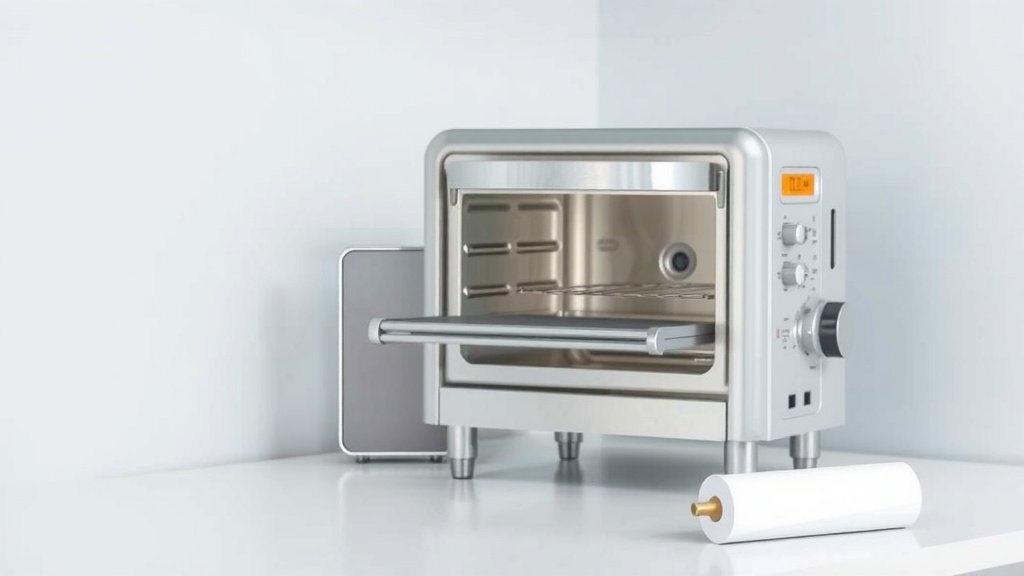
Yes, you can often put aluminum foil in a toaster oven, but it comes with important safety precautions to prevent fire and damage to your appliance.
Always check your toaster oven’s user manual first, as some manufacturers specifically advise against it.
Here’s a quick overview of what you need to know:
- You can use aluminum foil in a toaster oven, but safety is key.
- Always consult your toaster oven’s manual; it’s your best guide.
- Keep foil far away from heating elements to prevent fires.
- Never line the crumb tray or cover air vents with foil.
- Consider safer alternatives like parchment paper or silicone mats.
Can You Put Aluminum Foil In A Toaster Oven?
Using aluminum foil in a toaster oven is generally possible, but it requires careful attention to safety guidelines to avoid serious risks.
Many experts say that while convenient, improper use can lead to hazards.
Why Even Use Foil in a Toaster Oven?
You might be wondering why anyone would want to use foil in a toaster oven in the first place, right?
There are a few good reasons people often turn to it for their cooking needs.
For one, it makes for easy cleanup. Lining a tray with foil means less scrubbing after cooking gooey cheese or saucy wings.
It also helps prevent food from sticking to baking pans, especially for dishes like roasted vegetables or baked potatoes.
Sometimes, you might want to protect certain parts of your food from over-browning. A small piece of foil can act like a tiny shield.
The Big “BUT”: Potential Dangers of Foil
While the benefits are clear, there’s a big “but” that comes with using aluminum foil.
The risks can be quite serious if you don’t use it correctly.
We found that these dangers primarily involve fire, uneven cooking, and even damage to your appliance.
Fire Hazard: Close Calls Are Real
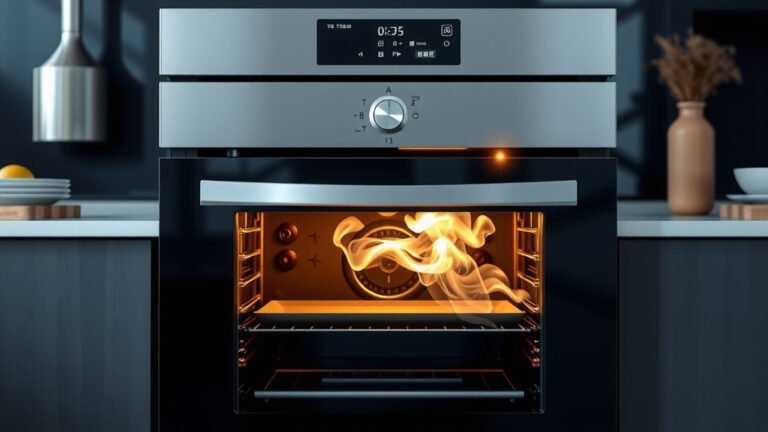
This is the most critical danger you need to know about. Aluminum foil is a metal conductor.
If foil touches the heating elements – either the top or bottom coils – it can spark, melt, and even start a fire.
Think of it like a lightning bolt in miniature; it’s something you definitely want to avoid.
Many fire safety organizations emphasize keeping any conductive material away from heating elements.
Uneven Cooking and Performance
Toaster ovens rely on consistent airflow and direct heat to cook your food evenly.
When you use foil, especially if you cover too much of the tray or food, you can block this crucial airflow.
This can lead to hot spots, meaning some parts of your food might burn while others remain undercooked.
It can also make your toaster oven work harder, affecting its efficiency.
Damage to Your Toaster Oven
Beyond fire, foil can potentially damage your appliance in other ways.
A stray piece of foil catching on a heating element can cause the element to short out or even break.
Also, if foil accidentally touches certain plastic components inside, it could melt them, leaving a mess or impairing function.
Toaster Oven Manual: Your First Stop
Before you even consider using foil, grab your toaster oven’s manual. Seriously, it’s not just a boring booklet!
This little guide contains specific instructions from the manufacturer about what is and isn’t safe for your particular model.
Some manuals will clearly state “do not use aluminum foil” or provide exact guidelines for its safe use.
Ignoring this advice could void your warranty or, more importantly, put your safety at risk (Consumer Reports).
How to Safely Use Aluminum Foil (If Your Manual Allows)
If your manual gives the green light, or at least doesn’t explicitly forbid it, here’s how to proceed with caution.
Following these steps can significantly reduce the risks we discussed.
Keep It Away From Heating Elements
This is rule number one. Ensure the foil never touches the exposed heating coils.
This means keeping it clear of the top, bottom, and even the side elements if they are present.
Imagine there’s an invisible force field around those elements; foil must not cross it.
Never Line the Crumb Tray
The crumb tray is designed to catch crumbs, not to be a cooking surface.
Lining it with foil can block airflow, trap heat, and cause overheating, leading to fire risks (UL Solutions).
It can also make the crumb tray overheat and warp.
Don’t Cover Air Vents
Toaster ovens have vents, often on the sides or back, that allow for proper air circulation.
Covering these with foil can lead to the appliance overheating, which is dangerous and inefficient.
Make sure there’s always plenty of space for air to move freely around your food and the foil.
Use Small Pieces, Not Full Sheets
Resist the urge to wrap an entire tray or piece of food tightly in a giant foil sheet.
Use only small pieces, just enough to cover the specific item or area you need.
The smaller the piece, the less chance it has of touching the heating elements or impeding airflow.
Shiny vs. Dull Side? Does It Matter?
You might have heard that one side of aluminum foil reflects heat better than the other.
Research, including studies from Reynolds Kitchens, indicates that for most home cooking, the difference between the shiny and dull sides is negligible.
Both sides perform essentially the same when it comes to heat distribution in a toaster oven.
| Foil Use: Do’s | Foil Use: Don’ts |
|---|---|
| Do check your toaster oven manual first. | Don’t let foil touch heating elements. |
| Do use small, manageable pieces of foil. | Don’t line the crumb tray with foil. |
| Do leave ample space for air circulation. | Don’t cover air vents or exhaust ports. |
| Do keep foil securely away from sides. | Don’t use foil if your manual forbids it. |
When to Absolutely AVOID Foil
There are a few scenarios where using foil is a definite no-go, regardless of your manual.
If the foil is torn, crumpled, or has any rough edges that could snag, it’s safer to avoid using it.
Also, if you’re cooking very high-fat foods that could cause grease to pool and potentially ignite near the elements, perhaps use a different method.
Safer Alternatives to Aluminum Foil
If you’re still hesitant, or if your manual says no, don’t worry! You have other excellent options.
These alternatives often perform just as well, if not better, and come with fewer safety concerns.
Parchment Paper
Parchment paper is a fantastic alternative for lining baking trays. It’s non-stick and can withstand high temperatures.
Just like foil, make sure it doesn’t touch the heating elements, as it can catch fire at extreme temperatures.
It’s great for cookies, roasted veggies, and anything you want to easily lift off a tray.
Silicone Baking Mats
Reusable silicone baking mats are another popular choice. They’re incredibly non-stick and durable.
You can use them repeatedly, making them an eco-friendly option too.
Just ensure your mat is appropriately sized for your toaster oven tray.
Toaster Oven Safe Dishes
Many small baking dishes are specifically designed for toaster ovens. Think glass, ceramic, or metal pans.
These are often the safest bet for cooking a variety of foods, from casseroles to roasted meats.
Always double-check that the dish is labeled as “oven safe” and fits comfortably without touching the sides or top of your toaster oven.
Before You Use Foil: A Quick Checklist
- Read your toaster oven’s manual thoroughly.
- Ensure foil won’t touch heating elements (top/bottom/sides).
- Confirm it won’t cover any air vents.
- Use the smallest piece of foil possible for the task.
- Consider safer alternatives if there’s any doubt.
Conclusion
Using aluminum foil in your toaster oven is a possibility, but it’s a practice that demands caution and adherence to safety rules.
Always make your toaster oven’s manual your primary reference guide; it contains the best advice for your specific appliance.
By keeping foil away from heating elements, ensuring proper airflow, and choosing suitable alternatives when needed, you can enjoy the convenience of your toaster oven safely and effectively.
Frequently Asked Questions
Can I use heavy-duty aluminum foil in a toaster oven?
Yes, heavy-duty aluminum foil can be used, but the same safety rules apply. The thickness doesn’t change the fact that it’s a conductive material and must be kept away from heating elements and not obstruct airflow. Always ensure it’s properly secured and trimmed.
Is it okay to put frozen food wrapped in foil directly into a toaster oven?
Some frozen foods come pre-wrapped in foil, and these are generally designed for oven use. However, for a toaster oven, you still need to ensure the foil doesn’t touch heating elements or block vents. If the foil wrapper is too large or loose, it’s safer to transfer the food to a toaster oven-safe dish or use less foil.
Why does my toaster oven manual say not to use foil?
Manufacturers often advise against foil to prevent accidental fires, short circuits, or damage to heating elements, which can happen if foil touches these components. They prioritize safety and the longevity of their appliance. It’s always best to follow their specific recommendations for your model.
Can foil cause sparks in a toaster oven?
Yes, if aluminum foil comes into direct contact with the heating elements, it can indeed cause sparks. This happens because the foil can complete an electrical circuit, leading to a sudden discharge of electricity. These sparks can be dangerous and could potentially ignite other materials or cause a fire.
What should I do if foil accidentally touches a heating element?
If foil accidentally touches a heating element and you see sparks or smoke, immediately unplug the toaster oven. Do not try to remove the foil while the appliance is plugged in. Wait for everything to cool down, then carefully remove the foil. Inspect the heating element for any damage before using the toaster oven again, and consider having it checked by a professional.