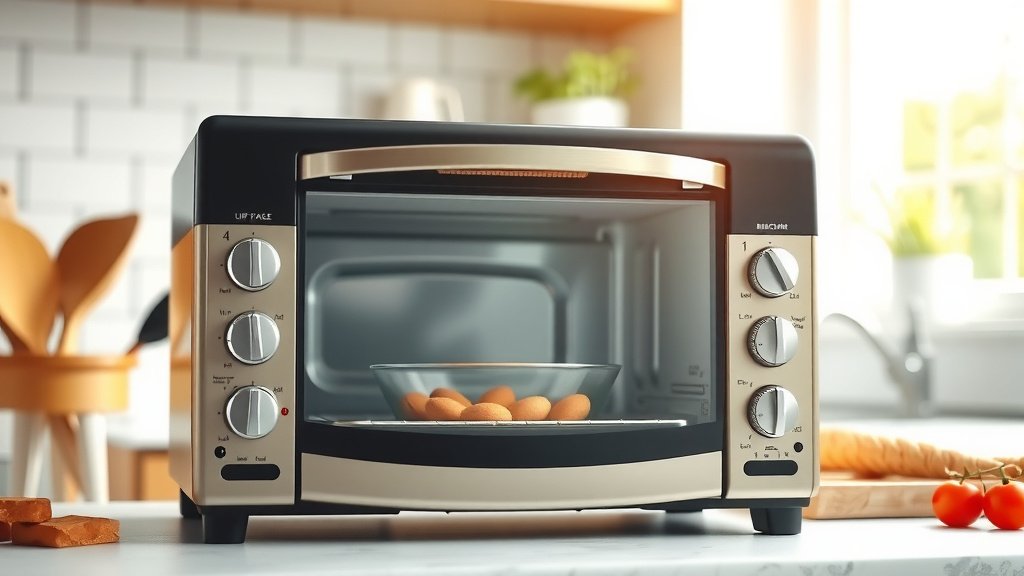
Yes, you can often put glass in a toaster oven, but only specific types designed to withstand high temperatures. Always check your glassware for “oven-safe” markings to prevent shattering or cracking.
Using the wrong kind of glass can lead to dangerous thermal shock and breakage, so identifying appropriate bakeware is very important for your safety and cooking success.
- Safe Glass Matters: Only use glass clearly marked “oven-safe” or “heat-resistant.”
- Thermal Shock Is Real: Avoid sudden temperature changes to prevent non-oven-safe glass from shattering.
- Check Markings: Look for symbols or words indicating suitability for oven use on the bottom of your dishes.
- Don’t Guess: When in doubt, it’s always safer to choose an alternative material like metal or ceramic.
- Temperature Limits: Even oven-safe glass has temperature limits; do not exceed them for your specific product.
Can You Put Glass In A Toaster Oven?
Yes, you certainly can put glass in a toaster oven, but this comes with a very important condition. You must only use glassware that is specifically labeled as “oven-safe” or “heat-resistant.” This distinction is absolutely key for your safety.
Think of it like choosing the right shoes for a hike – you wouldn’t wear flip-flops, right? The same goes for glassware and high heat.
Why The Confusion About Glass?
It’s easy to feel unsure about using glass in a toaster oven, isn’t it? Many people share this question.
The confusion often comes from remembering old stories of glass shattering, which can happen with regular drinking glasses or non-oven-safe dishes.
However, modern manufacturing has created durable glass items that stand up to oven heat beautifully.
What Kind of Glass Is Safe?
When you look for oven-safe glass, you’ll generally find terms like “borosilicate glass” or “tempered glass.” These types are engineered to handle the heat. Many experts say these materials are much less likely to break under typical cooking temperatures (Cleveland Clinic).
Always keep an eye out for clear markings on the bottom of your dishes. They are your best guide.
- Pyrex dishes (check specific product instructions)
- Anchor Hocking bakeware
- Specialized heat-resistant glass casserole dishes
- Glass pie plates marked “oven-safe”
What Types of Glass Are NOT Safe?
This is where caution really matters. You should never use regular drinking glasses, decorative glassware, or non-oven-safe plates in your toaster oven. These items are simply not made for high temperatures.
Think about a cold glass going straight into a hot oven; that’s a recipe for a mess, and potentially an injury.
The Dangers of Using Wrong Glassware
The primary danger with non-oven-safe glass is something called thermal shock. This happens when glass experiences a rapid change in temperature, causing it to expand or contract too quickly.
When that happens, the glass can crack, shatter, or even explode, creating a significant safety risk. It’s a sudden, unpredictable event.
| Feature | Oven-Safe Glass | Regular Glass |
|---|---|---|
| Heat Resistance | High (designed for ovens) | Low (not for cooking heat) |
| Thermal Shock | Resistant to sudden changes | Highly susceptible to shattering |
| Durability | Stronger, tempered | Brittle, breaks easily with heat |
| Typical Use | Baking, roasting | Drinking, serving cold items |
| Markings | Clearly labeled “oven-safe” | No oven-safe labels |
How to Safely Use Glass in Your Toaster Oven
Using oven-safe glass is easy once you know the rules. It’s really about being mindful of how you introduce and remove the dish from heat.
We found that a little preparation makes a big difference. Think of it as a small routine for big peace of mind.
Here’s a quick checklist to guide you:
- Always confirm your glass bakeware has an “oven-safe” label.
- Never preheat the toaster oven with the glass dish inside.
- Place your room-temperature dish into a preheated oven.
- Avoid putting a hot glass dish on a cold, wet surface.
- Use oven mitts to handle hot glass and protect your hands.
- Clean up spills promptly to avoid baked-on residue.
Checking for Heat Resistance Markings
Before you even think about putting glass into your toaster oven, do a quick check. Look at the bottom or side of the dish for specific markings. You might see words like “oven safe,” “microwave safe,” or “heat resistant.”
Sometimes there are symbols, like a small oven icon. If you don’t see any markings, it’s always best to assume it’s not oven-safe.
Understanding Temperature Limits
Even oven-safe glass has its limits. Most manufacturers provide guidance on maximum safe temperatures for their products. Many experts say that keeping your toaster oven below 400-425°F (200-220°C) is a good general rule for most glass bakeware (Good Housekeeping).
Always follow the specific instructions that came with your glass dish. Pushing these limits can be risky.
Avoiding Thermal Shock: A Key Precaution
We’ve talked about thermal shock, and avoiding it is one of your most important jobs. Never place a cold glass dish directly into a hot toaster oven.
Let your dish come to room temperature first. Similarly, when you take a hot dish out, don’t put it on a cold countertop or in a sink full of cold water. Use a hot pad or a wooden cutting board.
Other Oven-Safe Materials to Consider
If you’re still unsure about glass, or simply looking for options, there are plenty of other materials that work wonderfully in a toaster oven. We found that having a variety of bakeware is very handy.
Each material has its own benefits, helping you pick the best one for your cooking task.
Ceramic and Silicone Options
Ceramic dishes are often a safe and popular choice for toaster ovens. They heat evenly and hold warmth well. Just like with glass, make sure they are clearly marked as oven-safe.
Silicone bakeware is another flexible and non-stick option. It can withstand high temperatures and is very easy to clean.
Metal Bakeware Advantages
Metal bakeware, like aluminum or steel pans, is a classic for a reason. They conduct heat well, leading to crispy edges and quick cooking. They are generally very durable and less prone to breaking than glass.
Just remember that metal can sometimes lead to faster browning, so adjust your cooking times if needed.
Conclusion
So, can you put glass in a toaster oven? Yes, with careful attention to the type of glass you use. Always choose items clearly marked “oven-safe” to keep your cooking experience safe and successful. Understanding the difference between heat-resistant glass and everyday glass is truly simple but also truly important.
By following these easy guidelines, you can confidently use your glass bakeware to create delicious meals and snacks in your toaster oven. Happy cooking!
Can all glass dishes go into a toaster oven?
No, not all glass dishes are safe for a toaster oven. Only use glass that is specifically labeled “oven-safe” or “heat-resistant.” Regular drinking glasses or decorative glass items can shatter due to temperature changes.
What happens if I put regular glass in a hot toaster oven?
If you put regular glass in a hot toaster oven, it can experience thermal shock. This rapid change in temperature can cause the glass to crack, shatter, or even explode, which is very dangerous.
How do I know if my glass dish is oven-safe?
Look for markings on the bottom or side of the glass dish. It will typically have “oven-safe” printed on it, or a symbol indicating it can withstand oven temperatures. If there are no markings, it’s safer not to use it in the oven.
Can I put a hot glass dish directly on a cold countertop?
It’s not a good idea. Placing a hot glass dish directly onto a cold, wet, or damp surface can cause thermal shock, similar to putting cold glass into a hot oven. Always use a dry hot pad, trivet, or wooden cutting board.
Are there any temperature limits for oven-safe glass in a toaster oven?
Yes, even oven-safe glass has temperature limits, usually specified by the manufacturer. While many can handle typical baking temperatures up to 400-425°F (200-220°C), always check your product’s specific guidelines to ensure safe use.