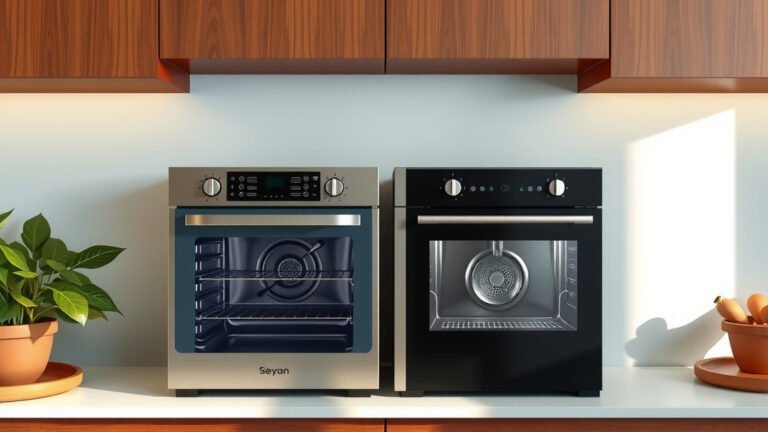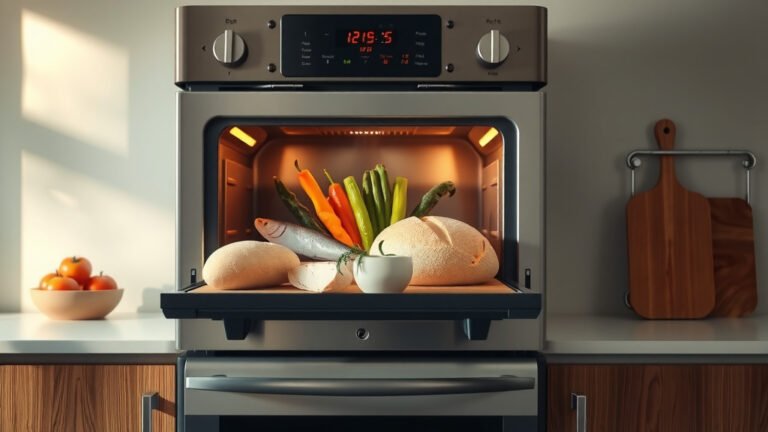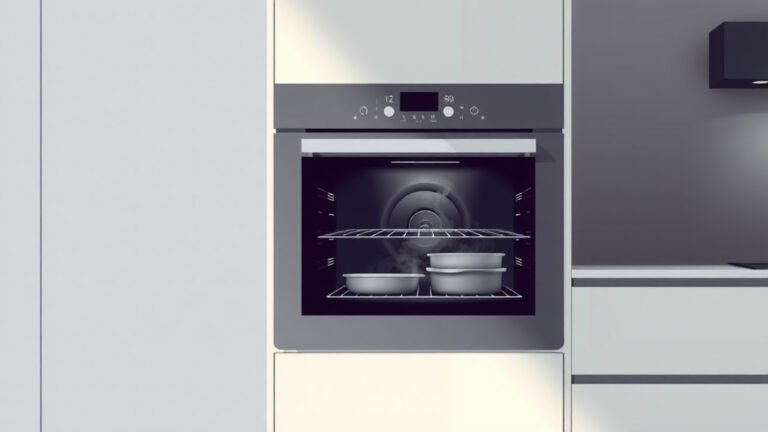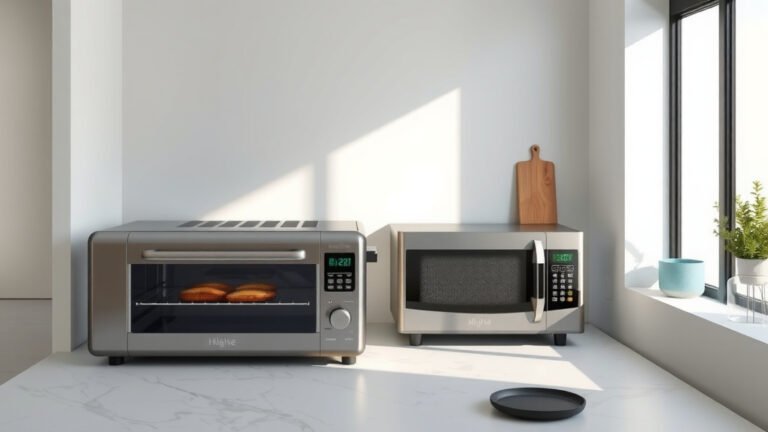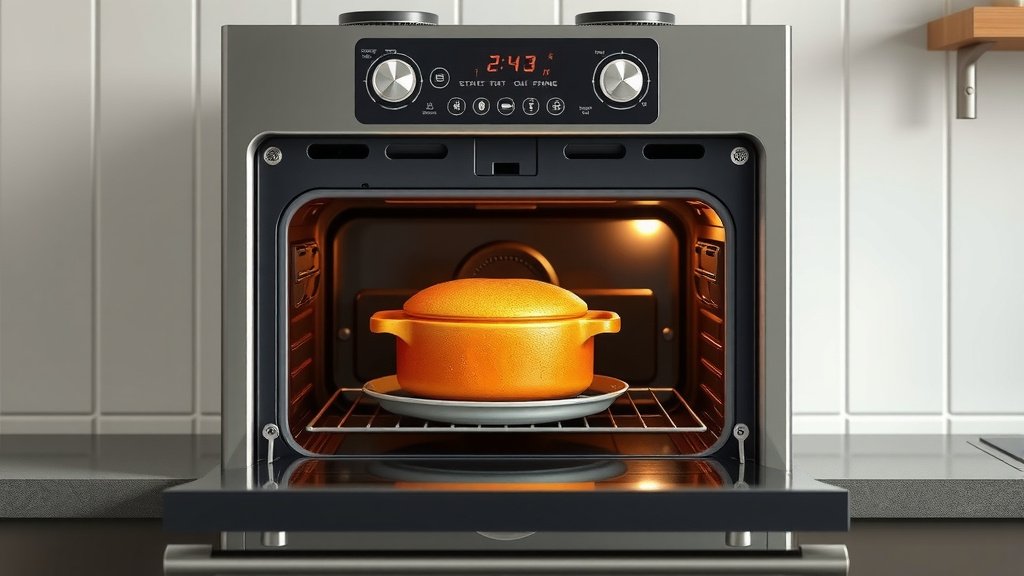
No, a steam oven generally does not make food soggy if used correctly. Instead, it adds moisture, keeping foods like vegetables, fish, and baked goods tender and flavorful.
When food turns out soggy in a steam oven, it’s often due to improper technique or choosing foods not ideal for pure steam cooking, rather than an inherent flaw in the appliance.
- Steam ovens add moisture, preventing dryness, not making food soggy when used right.
- You get tender vegetables, moist fish, and fluffy baked goods.
- Sogginess usually comes from wrong settings or poor food choices for steaming.
- Learning the right way to use your steam oven will give you delicious results.
- It’s all about understanding the balance of steam and heat.
Does Steam Oven Make Food Soggy?
No, a steam oven won’t make your food soggy if you know how to use it. In fact, it’s designed to infuse moisture, making dishes incredibly tender and juicy.
Understanding How Steam Ovens Work
Imagine your food enjoying a gentle, steamy sauna. That’s essentially what happens in a steam oven! Unlike traditional ovens that use dry heat, these ovens introduce water vapor. This vapor cooks food evenly and helps it retain its natural moisture (Food Network).
This process means your food won’t dry out. Think about how easy it is to overcook chicken breasts in a regular oven, leaving them tough. A steam oven helps you avoid that dryness.
Why People Worry About Sogginess
It’s natural to connect “steam” with “wet.” We often picture soggy vegetables from a stovetop steamer. So, when you think about putting food into a steam oven, a little worry about it getting waterlogged is fair.
But the truth is, a steam oven uses controlled steam. It’s not the same as boiling your food. You get a delicate cooking environment that preserves texture.
Foods That Shine in a Steam Oven
Certain foods absolutely love the steam treatment. We’ve found that fresh vegetables become vibrant and crisp-tender. Fish and seafood cook perfectly, staying flaky and moist (NIH).
You’ll also find that breads get a beautiful crust and soft interior. Reheating leftovers? Steam is fantastic for bringing them back to life without drying them out. It’s like magic for day-old pizza!
Great Picks for Steam
- Fresh vegetables (broccoli, asparagus, carrots)
- Fish fillets and whole fish
- Chicken breasts and tenderloins
- Dumplings and bao buns
- Rice and grains
- Baked goods (reheating)
When Sogginess Might Happen (and How to Stop It!)
Sometimes, even with the best intentions, food can feel a bit too wet. This often happens if there’s too much water pooling around the food. Think of a bowl of soup, not a perfectly roasted chicken.
Many experts say that using the right cooking technique is key (Cleveland Clinic). Proper pan choice, covering, or adjusting settings can prevent excess moisture from lingering.
Here’s a simple checklist to keep your food perfectly cooked, not soggy:
- Use the correct temperature settings for your recipe.
- Always preheat your steam oven fully.
- Don’t overcrowd the oven; allow steam to circulate.
- Use perforated pans for foods that need draining.
- Place a drip tray below foods that release a lot of liquid.
- Follow your oven’s manual for combination steam settings.
Choosing the Right Steam Setting
Modern steam ovens have various modes beyond just “full steam.” You might find settings like “Combi-Steam” or “Convection Steam.” These mix steam with dry heat.
For dishes that need a crisp finish, like roast chicken or crispy potatoes, combination modes are your friend. The steam keeps the inside moist, while the dry heat creates that lovely, crunchy exterior.
The Role of Your Cookware
Did you know your pans play a part? For pure steaming, you’ll often want perforated pans. These allow the steam to circulate all around your food. We found that this helps food cook evenly without getting saturated.
For other dishes, solid, non-perforated pans are perfect for catching drips or cooking dishes that have their own liquids, like a stew. Knowing which pan to use is a game-changer for results.
Perforated vs. Solid Pans
| Pan Type | Best For | Helps Prevent |
|---|---|---|
| Perforated Pans | Vegetables, Fish, Dumplings | Excess moisture, sogginess |
| Solid Pans | Casseroles, Roasts (with liquids), Rice | Dripping, uneven cooking |
Preventing Sogginess: Top Tips
To really master your steam oven and avoid any sogginess, focus on these practical steps. Many chefs agree that preparation matters.
Always pat proteins dry before seasoning. If you’re roasting vegetables, a light coating of oil can help them brown beautifully, even with steam (Mayo Clinic).
Patting Food Dry
Just like with pan-frying, patting chicken or fish dry with a paper towel before it enters the steam oven can make a big difference. This simple step helps seasonings stick and prevents the surface from getting too wet initially.
Using Drip Trays
For foods that release a lot of liquid, such as certain cuts of meat or very juicy vegetables, placing a drip tray below can capture excess moisture. This keeps it from pooling around your food, helping everything cook just right.
Reheating Leftovers: A Steam Oven Miracle?
Have you ever reheated pizza in a microwave, only for it to become rubbery? Or chicken that turns dry? A steam oven is fantastic for leftovers. It restores moisture without making things mushy.
We found that items like pasta, rice, and even pastries come out tasting fresh, almost like they were just made. It’s a true kitchen advantage.
Dispelling the Myth: Steam for Crispy Foods Too?
It might seem counter-intuitive, but steam can actually help with crispy food. How? In combination modes, the initial burst of steam can make bread products light and airy inside. Then, the dry heat finishes with a crisp crust.
This is why many commercial bakeries use steam injection. For your home oven, experimenting with these combi-steam settings can open up a world of texture.
Conclusion
The worry that a steam oven makes food soggy is largely a misunderstanding. When used properly, it’s an incredible tool for making food juicy, tender, and flavorful. It’s all about knowing your oven’s settings and picking the right approach for each dish. Embrace the steam, and you’ll soon be enjoying perfectly cooked meals every time. You’ll wonder how you ever cooked without it!
Can a steam oven also crisp food?
Yes, many modern steam ovens offer “combi-steam” or “convection steam” modes. These settings combine steam with dry heat, allowing you to achieve crispy exteriors on foods like roast chicken or potatoes, while keeping the inside moist and tender.
What types of pans are best for steam oven cooking?
For most pure steaming tasks, perforated pans are ideal as they allow steam to circulate freely around the food, promoting even cooking and preventing sogginess. Solid pans are better for dishes with sauces or liquids, or for catching drips from other foods.
Is a steam oven good for reheating leftovers?
Absolutely! A steam oven is excellent for reheating leftovers. It reintroduces moisture, preventing food from drying out and often making it taste much fresher than if reheated in a microwave or conventional oven. It’s especially good for pasta, rice, and baked goods.
How do I prevent water pooling in my steam oven?
To prevent water pooling, ensure you use the correct pans (often perforated for steaming), avoid overcrowding the oven, and use drip trays underneath foods that release a lot of liquid. Following your oven’s manual for recommended settings and pan placement is also very helpful.
Are steam ovens energy efficient?
Generally, steam ovens can be more energy-efficient for certain tasks. They often cook faster at lower temperatures compared to traditional ovens, especially for foods that benefit from direct steam exposure. They heat up quickly, which can save energy in the long run.