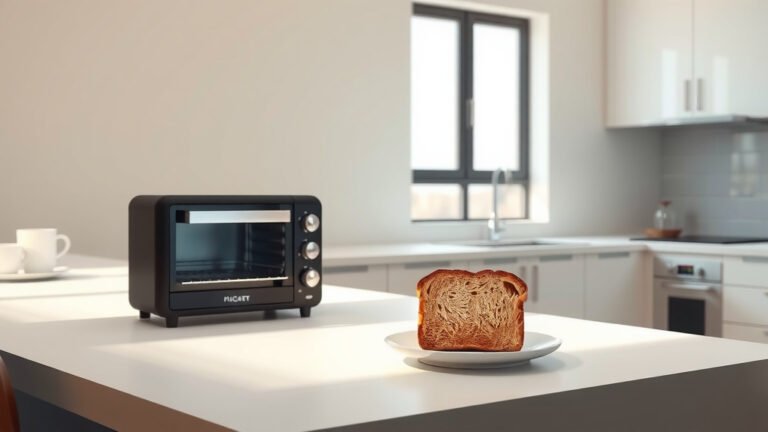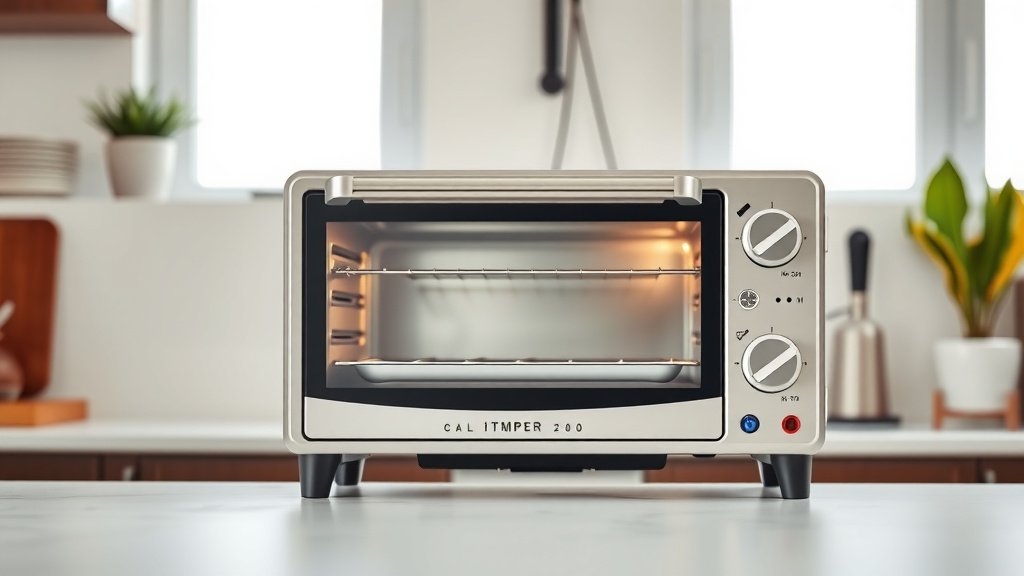
Most toaster ovens can reach temperatures ranging from 200°F (93°C) to 450°F (232°C), with some models going even higher for specialized tasks.
The exact hot does a toaster oven get depends on its specific model, power, and chosen cooking setting.
- Toaster ovens typically heat up to 450°F (232°C) for general cooking.
- High-end or larger models might reach 500°F (260°C) for specific functions.
- Factors like wattage, insulation, and heating element type influence maximum heat.
- They offer great versatility, from gently warming to baking and roasting small meals.
- Always consult your owner’s manual for precise temperature ranges and safe operation tips.
How Hot Does A Toaster Oven Get?
You might be wondering, “Just how hot can this countertop friend actually get?” Well, your typical toaster oven is quite a capable appliance. We found that most models are designed to hit temperatures from a gentle 200°F (93°C) up to a robust 450°F (232°C). This range covers a lot of your cooking needs, doesn’t it?
The Typical Temperature Range You’ll See
Think of your toaster oven as a mini version of your main oven. It’s built for similar cooking tasks, just on a smaller scale. For everyday use, you’ll find settings for toasting bread, baking cookies, or reheating leftovers. These tasks usually sit comfortably within that 200°F to 450°F range. It’s perfect for many recipes.
Why Temperature Matters for Your Cooking
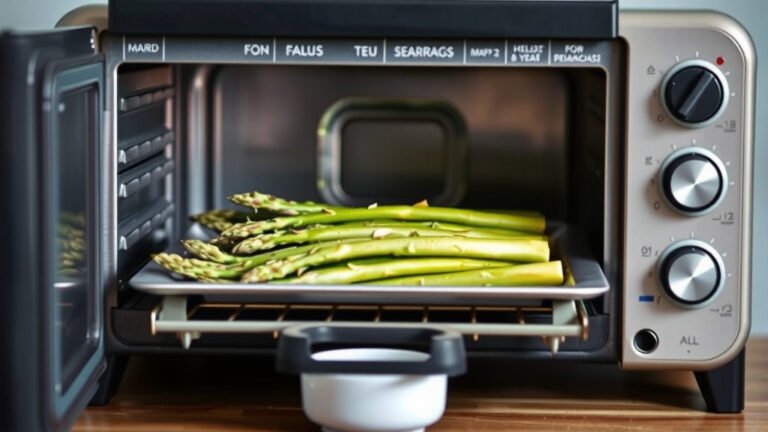
Understanding these temperatures helps you cook better. If you’re baking something delicate, like a batch of brownies, you need precise, consistent heat. Roasting vegetables, on the other hand, benefits from a higher temperature to get that lovely crispy finish. Knowing your oven’s limits makes you a more confident cook.
Baking vs. Toasting Temperatures
When you toast bread, you’re looking for quick, intense heat, usually around 400°F or more, for a short burst. Baking a casserole might need a steady 350°F for a longer time. Each setting uses the toaster oven’s heating elements differently to achieve the desired result. You’re controlling a small but mighty appliance.
What Affects a Toaster Oven’s Maximum Heat?
Not all toaster ovens are created equal, and several design choices influence their top temperatures. It’s like comparing different car engines; they all get you around, but some have more power. Let’s look at what makes your oven tick.
Wattage and Power
The wattage is often the biggest factor. Higher wattage, generally means more heating power. A 1500-watt toaster oven will usually heat up faster and get hotter than an 800-watt model. It’s simple physics, really.
Insulation Quality
Good insulation keeps the heat inside the oven cavity. This allows the oven to reach and maintain higher temperatures more efficiently. Better insulation means less heat escapes, leading to more consistent cooking and often hotter maximum temperatures.
Heating Element Design
Toaster ovens use various heating elements, often quartz or conventional coil. The type, placement, and number of these elements impact how hot the oven can get and how evenly it distributes heat. Some advanced models even have convection fans to circulate hot air for even cooking and faster heating.
Control Systems
Modern toaster ovens use sophisticated digital controls to manage temperature. These systems can maintain a more accurate temperature, preventing large fluctuations. We found that ovens with precise digital thermostats often offer a wider and more reliable temperature range (NIH).
Comparing Toaster Oven Heat to a Full-Size Oven
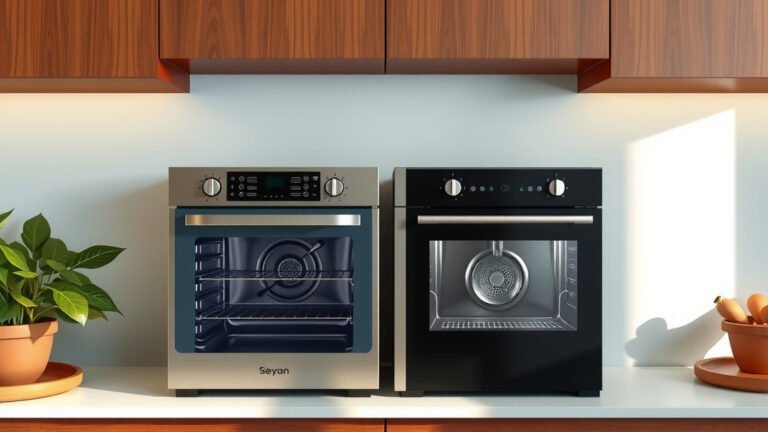
You might wonder if your toaster oven cooks just like a big oven. For many tasks, yes! Most full-size ovens also operate within a similar 200°F to 500°F range. The main difference is capacity and sometimes heat distribution. A toaster oven heats a smaller space, often more quickly and efficiently for smaller portions. This means less preheating time for you.
Reaching Higher Temperatures: Specialized Models
Some premium or larger toaster ovens, especially those with convection features, can push past the 450°F mark. You might find models that reach 500°F (260°C). These higher temperatures are fantastic for things like homemade pizza with a crispy crust or searing small cuts of meat. Check your owner’s manual to see your specific model’s capabilities.
Getting the Most Accurate Temperature Reading
It’s a common question: Is my oven really as hot as it says? To be sure, you can use an oven thermometer. Many experts suggest keeping one inside your toaster oven, especially if you do a lot of baking. It gives you a real-time, accurate reading of the internal temperature, which can sometimes vary slightly from the dial setting.
Calibration and Hot Spots
Like any appliance, toaster ovens can have slight variations in temperature accuracy. Sometimes there are “hot spots” where one area gets a little warmer than another. An oven thermometer helps you understand these nuances. If you find a big difference, you might need to adjust your cooking times or rotate your food.
Safety Tips for High-Heat Toaster Oven Use
Using any appliance at high heat requires a little caution. You’re dealing with strong temperatures, so safety is key. Keep these points in mind for worry-free cooking:
- Always place your toaster oven on a heat-resistant surface.
- Ensure adequate clearance around the sides and top for proper ventilation.
- Never use aluminum foil to line the bottom directly unless your manual specifically says it’s safe. It can trap heat.
- Avoid using glassware or plastic containers not rated for high oven temperatures.
- Clean your toaster oven regularly to prevent grease buildup, which can be a fire hazard.
- Always keep an eye on your food, especially when cooking at peak temperatures.
When Toaster Oven Heat Isn’t Quite Right (Troubleshooting)
What if your toaster oven isn’t getting hot enough, or seems to be running too hot? There are a few things you can check. First, ensure it’s plugged into a working outlet. A dedicated circuit is best for appliances that draw a lot of power. Also, check that the door seals properly. A leaky seal means heat escapes, and your oven works harder to stay warm. Sometimes, a quick reset or cleaning can help with minor issues.
Checklist for Optimal Toaster Oven Performance
- Is the power cord fully plugged in?
- Is the door sealing tightly when closed?
- Have you cleaned the interior recently?
- Are heating elements clear of debris?
- Is your chosen temperature setting correct?
Conclusion
So, how hot does a toaster oven get? You now know that these versatile appliances typically reach between 200°F and 450°F, with some pushing up to 500°F. They’re incredibly useful for everything from a quick snack to a small meal. Understanding your model’s capabilities, what influences its heat, and how to use it safely will help you get the very best results. Happy cooking!
What is the maximum temperature for a toaster oven?
Most standard toaster ovens can reach a maximum temperature of 450°F (232°C). However, some larger or more advanced models, particularly those with convection features, are capable of reaching up to 500°F (260°C).
Do all toaster ovens reach the same temperature?
No, not all toaster ovens reach the exact same maximum temperature. Factors like wattage, insulation, the type of heating elements, and the control system design can cause variations between different models and brands.
How accurate are toaster oven temperature settings?
Toaster oven temperature settings are generally quite accurate, but minor variations can occur. Using an oven thermometer inside the appliance is the best way to verify the true internal temperature and identify any hot spots or calibration differences.
Can I bake a cake in a toaster oven?
Absolutely! A toaster oven can be excellent for baking smaller items like cakes, muffins, or casseroles. Just ensure your bakeware fits inside, monitor the cooking time, and consider using an oven thermometer for precise temperature control.
Why does my toaster oven take a long time to heat up?
Several factors might cause slow heating. These include lower wattage, poor insulation allowing heat to escape, a faulty heating element, or simply starting from a very cold environment. Ensure the door seals properly and the oven is clean for optimal performance.