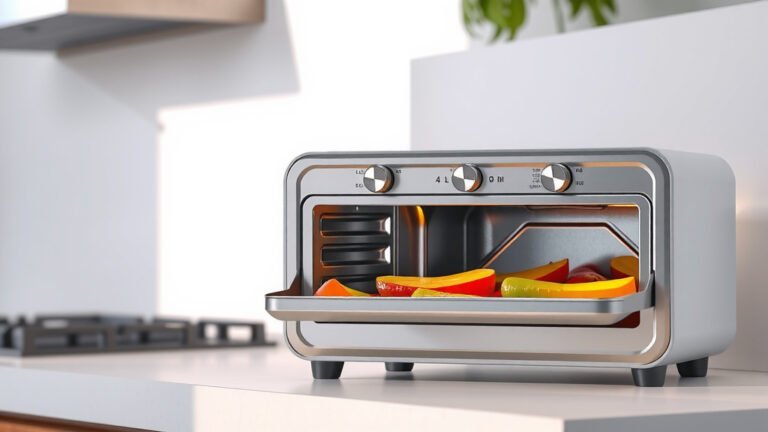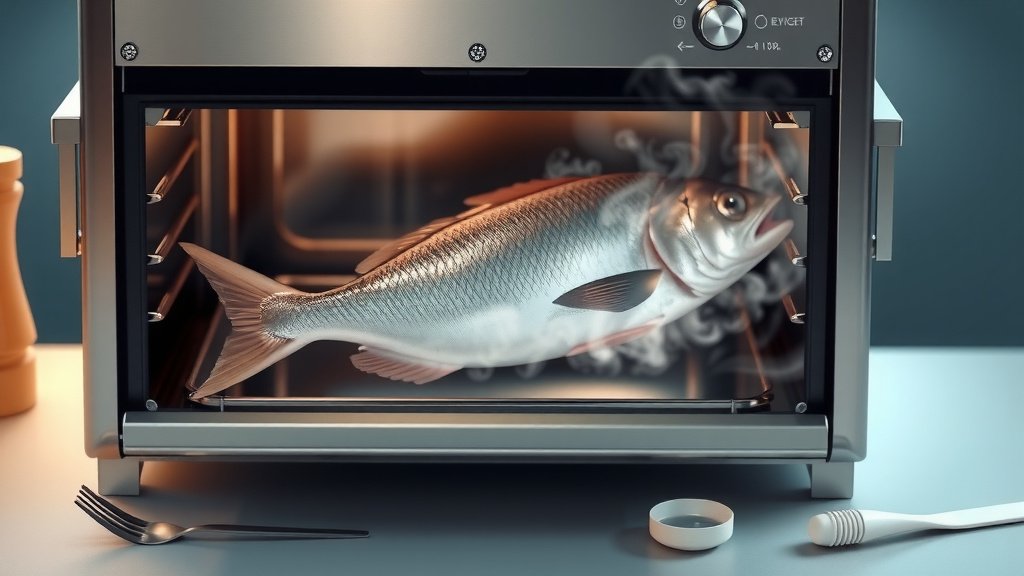
You can cook a whole fish in a steam oven by first prepping it with aromatics, then steaming at 212°F (100°C) until its internal temperature reaches 145°F (63°C).
This method ensures a remarkably moist and tender whole fish, preserving its natural flavors beautifully.
Here’s the quick guide to steaming a whole fish:
- Choose a fresh fish and prepare it with herbs and spices.
- Set your steam oven to 212°F (100°C) for perfect steaming.
- Steam until the fish reaches an internal temperature of 145°F (63°C).
- The steam keeps your fish incredibly moist, flaky, and full of flavor.
- Enjoy a healthy and delicious meal with minimal effort.
How To Cook A Whole Fish In Steam Oven?
Cooking a whole fish in a steam oven is quite straightforward; you prepare your fish with seasonings, place it in the oven, and let the steam do its magic until it reaches the correct internal temperature.
This approach results in a perfectly cooked, succulent fish every time.
Why Choose a Steam Oven for Whole Fish?
Have you ever wanted fish that’s incredibly moist and flaky? A steam oven is your secret weapon. The moist heat keeps the fish from drying out, a common problem with other cooking methods.
It’s like giving your fish a gentle, flavorful bath. Many chefs say this method locks in nutrients and delicate textures (Culinary Institute of America).
The Benefits of Steaming Fish
Steaming fish offers several advantages. You get a lighter meal, as it needs less added fat. The flavors of your herbs and spices truly shine through.
It’s also a very healthy cooking option for your family, preserving vitamins and minerals.
Selecting Your Perfect Whole Fish
Choosing the right fish is the first step to a delightful meal. Look for a fish with bright, clear eyes and firm flesh. The gills should be a vibrant red color.
Snapper, branzino, or even a whole trout are excellent choices for steaming.
What Size Fish Works Best?
Aim for a fish that comfortably fits your steam oven tray. A fish weighing between 1 to 2 pounds is often ideal for a typical family meal.
Remember, thicker fish will need a little more cooking time.
Prepping Your Whole Fish for the Oven
Before it goes into the oven, your fish needs a little TLC. Start by rinsing it under cold water, inside and out. Pat it completely dry with paper towels.
You can ask your fishmonger to scale and gut it for you, which saves you a lot of time at home.
Scoring and Seasoning Your Fish
Make a few shallow scores on both sides of the fish with a sharp knife. This helps the steam penetrate evenly and allows your seasonings to truly infuse the flesh.
A simple sprinkle of salt and pepper, both inside and out, is a great starting point.
Infusing Flavor: Aromatics and Herbs
This is where the magic happens! Fill the cavity of the fish with your favorite aromatics. Lemon slices, fresh dill, parsley, garlic cloves, or ginger slices work wonders.
Some people even add a few sprigs of thyme or rosemary for an earthy depth of flavor.
What About Spices?
Don’t be shy with spices! A pinch of chili flakes for a little kick, or some ground coriander for a warm note, can elevate your dish. We found that a blend of ginger and garlic creates a lovely aroma.
Experiment to find what you love most.
Setting Up Your Steam Oven
Every steam oven is a little different, but the core principle is the same. You’ll want to ensure your water reservoir is full. Place the seasoned fish on a perforated steam tray.
This allows the steam to circulate all around the fish.
Ideal Temperature for Steaming Fish
Many experts say that 212°F (100°C) is the ideal temperature for steaming fish. This ensures a consistent, gentle cook without harsh dry heat.
Some ovens have a specific “steam” function you can select.
Cooking Time Guidelines for Whole Fish
Cooking time will vary based on the thickness of your fish. A general rule of thumb is about 10-15 minutes per inch of thickness at its thickest part.
Here’s a small guide to help you estimate your cooking duration:
| Fish Thickness (at thickest point) | Approximate Cooking Time (212°F / 100°C) |
|---|---|
| 1 inch (2.5 cm) | 10-12 minutes |
| 1.5 inches (3.8 cm) | 15-18 minutes |
| 2 inches (5 cm) | 20-25 minutes |
Checking for Doneness: The Key to Perfection
The most reliable way to tell if your fish is cooked is with an instant-read thermometer. Insert it into the thickest part of the fish, avoiding the bone.
The FDA recommends cooking fish to an internal temperature of 145°F (63°C).
Visual Cues of Cooked Fish
Beyond the thermometer, look for visual cues. The flesh should be opaque and flake easily with a fork. There should be no raw, translucent spots near the bone.
Remember, a perfectly cooked fish is firm but still moist.
The Important Rest Period
Just like meat, fish benefits from resting after cooking. Remove the fish from the oven and let it sit for a few minutes before serving. This allows the juices to redistribute.
A short rest of 5 minutes is often enough.
Serving Your Steamed Whole Fish
Gently transfer your beautifully steamed fish to a serving platter. Garnish with fresh herbs, a drizzle of good olive oil, or a squeeze of lemon juice.
It pairs wonderfully with simple steamed vegetables or a light rice pilaf.
Troubleshooting Common Steaming Issues
Sometimes things don’t go exactly as planned. Don’t worry, we’ve all been there! Here’s a quick checklist for some common steaming challenges:
- Fish is too dry: Was the oven temperature too high, or did you overcook it? Check your internal temperature next time.
- Fish lacks flavor: Did you use enough aromatics and seasonings both inside and out? Don’t be shy!
- Fish sticking to the tray: Lightly grease your perforated tray or line it with parchment paper (ensure it’s steam-safe).
- Uneven cooking: Ensure your fish is lying flat and your scores are even. Sometimes rotating the tray helps.
- Water reservoir empty: Always double-check your oven’s water supply before starting your cook cycle.
Conclusion
Cooking a whole fish in a steam oven is a surprisingly simple yet rewarding experience. You get a dish that’s incredibly healthy, packed with flavor, and wonderfully moist, all thanks to the power of steam.
It’s a method that truly respects the delicate nature of fish, leaving you with a meal to remember. So, go ahead, give it a try – you might just discover your new favorite way to cook fish!
How do I prevent my whole fish from sticking to the steam tray?
To prevent sticking, you can lightly oil your perforated steam tray before placing the fish on it. Alternatively, lining the tray with steam-safe parchment paper is a great solution that also makes cleanup easier.
Can I use frozen whole fish in a steam oven?
While fresh fish is often preferred, you can steam frozen whole fish. It’s best to fully thaw the fish in the refrigerator overnight before cooking to ensure even doneness. Cooking from frozen might result in an uneven texture.
What if I don’t have a perforated steam tray?
If you lack a perforated tray, you might use a heat-proof dish placed inside a larger solid tray with a little water, creating a makeshift steamer. However, a dedicated perforated tray allows for the best steam circulation directly around the fish.
How can I add more zest to my steamed whole fish?
For more zest, consider a vibrant sauce or marinade to serve alongside your fish. A simple blend of fresh lemon juice, olive oil, chopped capers, and fresh parsley drizzled over the cooked fish can really brighten the flavors.
Is it possible to overcook fish in a steam oven?
Yes, even in a steam oven, it is possible to overcook fish. While steam is gentle, leaving fish in too long will eventually dry it out and make it tough. Always use an instant-read thermometer to hit that perfect 145°F (63°C) internal temperature.