How to Defrost Food in a Convection Oven?
On this page (9 sections)
- Using Your Convection Oven to Defrost Food Quickly
- Understanding How Convection Ovens Defrost
- Steps for Defrosting Food Safely in Your Convection Oven
- Defrosting Different Types of Food
- A Quick Checklist for Convection Oven Defrosting
- Foods Best Left Out of the Convection Oven Defrost Cycle
- Tips for Success and Avoiding Pitfalls
- Conclusion
- Frequently Asked Questions
Yes, you can absolutely use your convection oven to defrost food, and it’s often much faster and more effective than other methods. By using the low-temperature convection setting, you can safely thaw frozen items without cooking them. It’s a great way to save time in the kitchen when you forgot to plan ahead.
This method works by circulating gentle, dry heat around your food. This helps to speed up the thawing process evenly. Many home cooks find this a more reliable way to defrost compared to leaving food on the counter, which can lead to uneven thawing and potential food safety concerns. It’s a smart technique for efficient meal prep.
- Use the lowest convection setting.
- Keep the oven door slightly ajar.
- Check food frequently for thawing.
- Never use high heat settings.
Let’s walk through exactly how to safely and effectively defrost food using your convection oven, step by step.
Using Your Convection Oven to Defrost Food Quickly
You can absolutely use your convection oven for defrosting frozen foods. It’s often faster and more effective than leaving items on the counter. This method relies on circulating gentle heat to speed up thawing. Many home cooks find it a reliable way to thaw items safely.
Understanding How Convection Ovens Defrost
Convection ovens work by using a fan to circulate hot air. This even distribution of heat is key to defrosting. When set to a low temperature, it gently warms the food. This prevents the outside from cooking while the inside remains frozen. It’s like a gentle breeze helping your food thaw.
The Science Behind Convection Defrosting
A standard oven heats air through elements. This air can become stagnant. A convection oven’s fan moves this air around constantly. This enhanced air circulation means heat reaches all surfaces of the food more efficiently. Research shows that moving air can thaw foods up to 25% faster than stationary air (USDA).
Why Convection is Better Than Counter Thawing
Leaving food on the counter can be risky. The outer layers can reach unsafe temperatures quickly. This allows bacteria to grow. Uneven thawing is also common. Some parts might be mushy while others are still icy. Convection ovens provide a more controlled environment. They help maintain a safer temperature range throughout the thawing process.
Steps for Defrosting Food Safely in Your Convection Oven
Defrosting with your convection oven is straightforward. It requires attention to temperature and timing. You’ll want to monitor your food closely. This ensures it thaws evenly without starting to cook.
Prepare Your Oven and Food
First, ensure your oven is clean. Any old food residue can burn. For most items, you’ll want to remove them from their original packaging. Place the frozen food on a baking sheet. This catches any condensation or juices. If the food is in a plastic bag, make sure it’s oven-safe. Consider using a drip tray underneath your baking sheet.
Choosing the Right Temperature Setting
This is the most critical step. You need to use the lowest possible temperature on your convection oven. Many ovens have a specific “defrost” setting. If yours doesn’t, select the lowest convection bake or fan setting. This is typically around 150°F (65°C) or even lower. Never go above 170°F (77°C), as this can start cooking the food.
Oven Door Position Matters
To prevent overheating and ensure even thawing, you should leave the oven door slightly ajar. This allows the hot air to escape. It also helps prevent the oven from getting too hot. You can use a wooden spoon or heat-resistant utensil to prop the door open. This creates a small gap, usually about an inch.
Monitoring and Rotating Your Food
Keep a close eye on your food. The thawing time will vary greatly. Factors like the size, density, and type of food all play a role. For larger items like a roast, you may need to turn them halfway through. This ensures all sides thaw evenly. Check the internal temperature with a food thermometer. You’re looking for an internal temperature of around 35-40°F (1.7-4.4°C).
When Is the Food Fully Thawed?
The food is ready when it’s pliable. You should be able to bend it or cut into it easily. For meats, there should be no ice crystals remaining. Remember, the goal is to thaw, not cook. If parts of the food start to feel warm or cooked, remove them immediately.
Defrosting Different Types of Food
Your convection oven can handle various frozen items. The approach might need slight adjustments. Some foods thaw more quickly than others.
Meats and Poultry
Larger cuts of meat, like roasts or whole chickens, benefit most. They can take several hours to thaw. Keep the oven temperature low and the door ajar. Check them frequently. You might need to remove smaller pieces sooner than larger ones. For example, chicken breasts might thaw much faster than a whole turkey.
Seafood
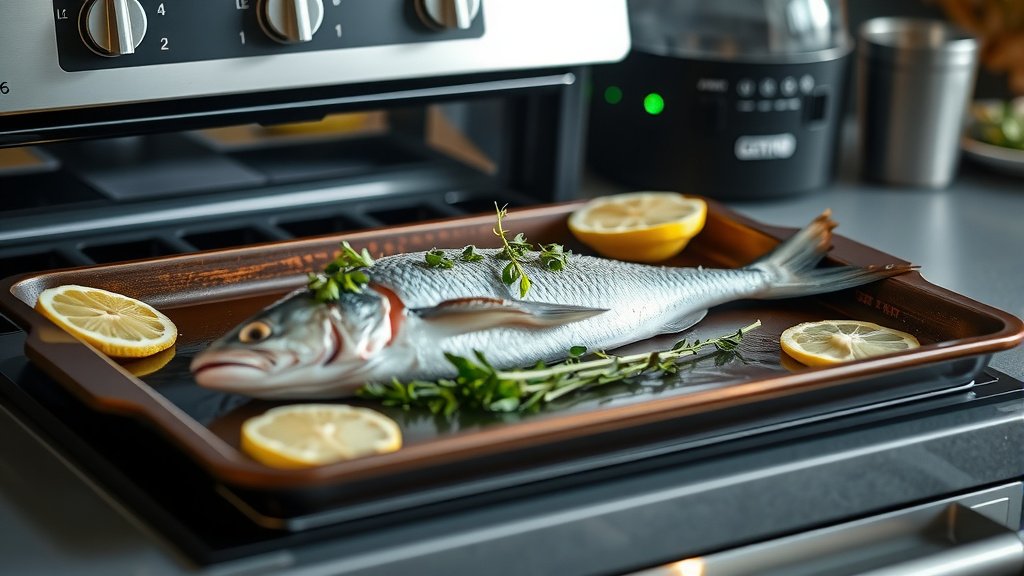
Seafood is delicate. It thaws relatively quickly. For fish fillets or shrimp, check them every 15-20 minutes. They can go from frozen to thawed to overcooked very fast. You may only need a short time in the oven. Sometimes, a simple rinse under cool water is faster for small items like shrimp.
Baked Goods and Leftovers
Bread, pastries, and cooked leftovers can also be defrosted. For bread, a very low setting works well. For cooked meals, you might be reheating at the same time. Be cautious not to overcook the edges. Check frequently. Many people find that these items thaw best with the oven door open wider.
A Quick Checklist for Convection Oven Defrosting
Here’s a simple list to keep handy:
- Set to lowest convection temp (usually around 150°F or less).
- Place food on a baking sheet to catch drips.
- Leave the oven door slightly ajar (use a wooden spoon).
- Check food frequently for even thawing.
- Rotate larger items for uniform thawing.
- Remove food once thawed to prevent cooking.
Foods Best Left Out of the Convection Oven Defrost Cycle
While versatile, your convection oven isn’t perfect for every frozen item. Some foods might not fare well. Certain delicate items can degrade with even low heat.
Delicate Fruits and Vegetables
Berries, leafy greens, and soft fruits can become mushy. The gentle heat can break down their structure. They often thaw best at room temperature or in the refrigerator. For these, countertop thawing might be a better, albeit slower, option.
Highly Processed Items
Some pre-made frozen meals are designed for specific reheating methods. Using your convection oven might alter their texture. It could lead to uneven cooking or a less desirable result. Always check the product packaging for recommended thawing or reheating instructions.
Tips for Success and Avoiding Pitfalls
Using your convection oven for defrosting can be a real time-saver. However, a few extra tips can make the process even smoother.
Know Your Oven’s Settings
Every oven is a bit different. Take time to understand your specific model’s convection settings. Experiment with very low temperatures first. Consult your oven’s manual if you’re unsure about the best setting for defrosting. Some manuals offer specific guidance.
Don’t Forget Food Safety
Always remember the danger zone for food. This is between 40°F and 140°F (4.4°C and 60°C). Your goal is to keep the food out of this range as much as possible. Thaw quickly and cook or refrigerate promptly. The USDA recommends cooking food immediately after it has thawed using this method.
When in Doubt, Refrigerate
If you’re unsure about using the oven, the refrigerator is always a safe bet. It’s the slowest method. However, it’s considered the safest by food safety experts. If you have the time, letting food thaw in the fridge overnight is ideal. For smaller cuts that need a faster thaw, see our guide to defrosting meat in a microwave. You can then use the convection oven for a quick thaw if needed later.
| Food Type | Approximate Weight | Estimated Thaw Time |
|---|---|---|
| Chicken Breasts | 1 lb | 20-40 minutes |
| Ground Beef | 1 lb | 25-45 minutes |
| Fish Fillets | 0.5 lb | 10-20 minutes |
| Pork Roast | 3 lbs | 2-4 hours |
| Whole Chicken | 4 lbs | 3-5 hours |
Note: Times are estimates and can vary based on oven calibration and food thickness. Always check food temperature for doneness.
Conclusion
You now have the knowledge to safely and efficiently defrost food using your convection oven. Remember to always use the lowest possible convection setting and keep your oven door slightly ajar. This gentle circulation of warm air thaws your food without cooking it. Keep a close watch and check the food’s temperature to ensure it’s properly thawed. Next time you need food thawed in a hurry, you’ll know exactly how to use your convection oven to get the job done quickly and safely.
Frequently Asked Questions
Can I use a regular oven setting to defrost food?
It’s best to avoid regular oven settings. Standard bake or broil modes use direct heat that can cook your food. Convection’s circulating air at a low temperature is what makes it ideal for safe thawing. Stick to the lowest convection setting for the best results.
How do I know if my convection oven has a specific defrost setting?
Check your oven’s control panel or consult your owner’s manual. Many convection ovens have a dedicated “defrost” or “dehydrate” mode. If yours doesn’t have a specific setting, use the lowest convection bake or fan-only option. You’re aiming for a very low, circulating heat.
Is it safe to leave the oven door open while defrosting?
Yes, leaving the oven door slightly ajar is recommended. This helps prevent the oven from getting too hot. It allows excess heat to escape, ensuring the food thaws gently. Use a heat-resistant utensil or a wooden spoon to keep the door propped open about an inch.
How long will it take to defrost food in a convection oven?
Thawing times vary greatly. Factors like food size, density, and starting temperature play a big role. Smaller items like fish fillets might take only 15-20 minutes. Larger items like a whole chicken could take several hours. Always check the food frequently and use a thermometer for accuracy.
What should I do if the outside of my food starts to cook?
If you notice the outside of your food getting warm or cooked, remove it immediately. This usually means your oven temperature is too high, or the door isn’t ajar enough. Turn off the oven and continue thawing at room temperature or in the refrigerator. You may need to adjust your oven settings for next time.