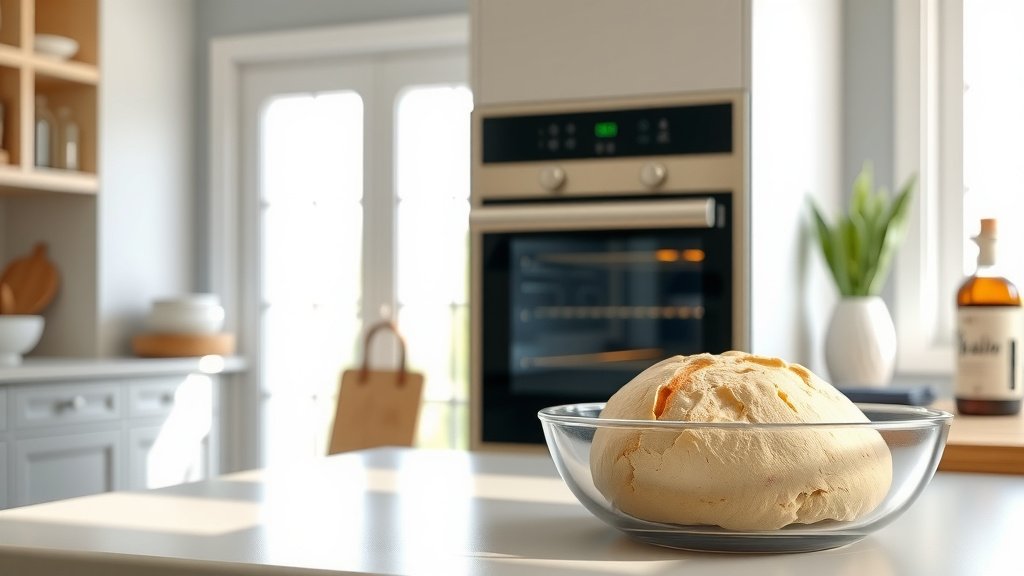
You can make amazing sourdough in a steam oven by providing the ideal moist environment during the initial bake, which helps your loaf achieve a perfect, crispy crust and soft, airy interior.
Steam ovens use controlled moisture injection, mimicking the effect of a Dutch oven, allowing your sourdough to rise fully before the crust sets too quickly.
- Baking sourdough in a steam oven offers a unique advantage, creating the ideal moist environment for a fantastic crust and crumb.
- Start with an active sourdough starter and properly proofed dough, ensuring it’s ready for baking.
- Preheat your steam oven correctly, combining high temperature with steam settings for the initial phase.
- Score your dough just before baking, then bake in two stages: high steam, then dry heat to finish.
- Follow specific temperature and timing guidelines for optimal results and a truly artisan loaf.
How To Make Sourdough In A Steam Oven?
Making sourdough in a steam oven involves creating a perfectly controlled environment for your bread. This method helps achieve an incredible rise and a wonderfully crisp crust.
Why Steam Ovens Are Ideal for Sourdough
Steam ovens are truly a game-changer for homemade sourdough. They offer a level of control you just can’t get with traditional ovens.
Many experts say the initial burst of steam is critical. It keeps the dough surface moist, allowing it to expand without restriction (Cook’s Illustrated).
This moisture delays the crust from forming too early. You get a larger loaf with that signature open crumb.
The Benefits You’ll See
When you bake with steam, you’ll notice a significant difference. Your loaf will have a beautiful, deep brown color.
We found that the steam helps create a thin, shatteringly crisp crust. Inside, the crumb remains wonderfully soft and chewy.
It’s like baking in a professional bakery right in your own kitchen. Who doesn’t want that kind of result?
Getting Your Sourdough Dough Ready
Before it goes into the oven, your sourdough needs careful preparation. An active starter is your bread’s lifeline.
Ensure your sourdough starter is bubbly and active. It should pass the float test, meaning a small dollop floats in water.
Proper proofing is also essential. Your dough should look puffy and feel airy, not overly stretched or collapsed.
Prepping Your Steam Oven
Setting up your steam oven correctly is key to success. This isn’t just about turning it on.
You’ll want to preheat it thoroughly. Aim for a high temperature, often around 450-475°F (232-246°C).
Make sure to activate the steam function right away. Your oven needs to be filled with steam before the bread goes in.
The Baking Process: Step-by-Step
Now for the exciting part! Baking your sourdough in a steam oven follows a clear two-stage approach. This ensures maximum oven spring and perfect texture.
Scoring Your Dough
Just before baking, gently transfer your proofed dough onto parchment paper. Use a sharp razor blade or lame to score the top.
A good score helps control where the bread expands. Think of it as creating a hinge for the oven spring.
You can create a single deep slash or a more intricate design. Be confident and make quick, clean cuts.
The Initial Steam Bake
Carefully slide your scored dough into the preheated, steaming oven. Be quick to prevent too much heat from escaping.
This phase is all about the steam. Bake at a high temperature, typically 450-475°F (232-246°C), for the first 15-20 minutes.
The steam will allow your bread to expand beautifully. This is where your loaf gets its impressive height and open crumb structure.
Reducing Steam and Finishing
After the initial steam bake, it’s time to reduce the steam. This lets the crust crisp up and develop its deep color.
Some ovens have a specific steam release function. If not, simply open the door briefly to let the steam out.
Reduce the temperature to about 400-425°F (204-218°C). Continue baking for another 20-30 minutes, or until the crust is golden brown.
Key Temperatures and Times
Understanding the right temperatures and timings will make a huge difference. Here’s a simple guide:
| Baking Stage | Temperature | Steam Setting | Duration |
|---|---|---|---|
| Initial Bake | 450-475°F (232-246°C) | Full Steam | 15-20 minutes |
| Finish Bake | 400-425°F (204-218°C) | No Steam / Dry Heat | 20-30 minutes |
| Internal Temp. | 200-210°F (93-99°C) | N/A | Check with thermometer |
Always use an instant-read thermometer to check the internal temperature. This ensures your bread is fully baked.
Tips for a Perfect Crust
A perfect sourdough crust is a badge of honor. A few small details can make all the difference.
Don’t be shy with your scoring; a deep, confident cut yields better ear development. Aim for about 1/2 inch deep.
Ensure your oven is fully preheated before putting the bread in. A cold oven can lead to a dense crumb.
Once your bread is out, let it cool completely on a wire rack. This helps the crumb set and the crust stay crisp (King Arthur Baking).
Troubleshooting Common Issues
Even seasoned bakers run into problems. Don’t worry, we’ve all been there!
Flat Loaf
If your loaf is flat, your starter might not be active enough. Or, perhaps your dough was over-proofed.
Ensure your starter doubles in size after feeding. Also, watch the dough carefully for signs of readiness.
Pale Crust
A pale crust usually means it didn’t bake long enough, or the temperature was too low in the dry heat stage.
Don’t be afraid to let it bake a bit longer. Aim for a deep, rich brown color for maximum flavor.
Dense Crumb
A dense crumb can be from an underactive starter or insufficient kneading. It can also happen with under-proofed dough.
Give your dough enough time to develop gluten and rise. Patience is truly a virtue in sourdough baking.
A Quick Checklist for Success
Keep this simple checklist handy before you start your baking session:
- Is your starter active and bubbly?
- Is your dough properly proofed and ready?
- Is the steam oven fully preheated to temperature?
- Do you have your lame ready for scoring?
- Have you set a timer for both baking stages?
Tools You’ll Need
Having the right tools makes the process much smoother. You don’t need much, but these essentials help.
A good baking stone or steel helps conduct heat evenly. Parchment paper makes transferring the dough easy.
Don’t forget your instant-read thermometer for checking doneness. A dough scraper and a proofing basket (banneton) are also very useful.
What About Baking Stone or Dutch Oven?
Many bakers swear by a Dutch oven for sourdough. It traps steam, creating a similar effect to a steam oven.
With a steam oven, you typically don’t need a Dutch oven. Your oven already provides the crucial moisture.
However, using a baking stone or steel can still be beneficial. It provides a very hot surface for better oven spring (ATK). This is especially true for the base of your loaf.
Conclusion
Baking sourdough in a steam oven truly elevates your bread-making experience. You gain incredible control over the baking environment, leading to consistently impressive results. By managing the steam and temperature correctly, you can achieve that perfect crispy crust and airy, open crumb every time. So, give it a try and enjoy the delicious rewards of your perfectly baked, artisan sourdough!
Can I use any sourdough recipe in a steam oven?
Yes, you can adapt almost any sourdough recipe for a steam oven. The main adjustment is not needing extra steam methods like a Dutch oven or water trays, as your steam oven handles that automatically. Just follow your recipe’s ingredient and proofing steps, then apply the steam oven baking instructions.
Do I need to preheat my steam oven for a long time?
Absolutely, preheating is crucial. Just like a traditional oven, you need to allow your steam oven sufficient time, usually 30-45 minutes, to reach the target temperature and build up the necessary steam. This ensures a consistent heat and proper initial oven spring for your sourdough.
How do I know if my sourdough is fully baked in a steam oven?
The best way to tell if your sourdough is fully baked is by checking its internal temperature with an instant-read thermometer. It should read between 200-210°F (93-99°C). Additionally, the crust should be a deep golden brown, and the loaf should sound hollow when tapped on the bottom.
Can I add more steam during the baking process?
Generally, with a steam oven, you provide full steam for the initial baking phase (about the first 15-20 minutes). Adding more steam later isn’t typically recommended, as the goal is to dry out the crust in the second phase. Excess steam throughout can prevent a truly crisp crust from forming.
My sourdough crust is too thick; what am I doing wrong?
A thick crust can sometimes happen if the steam phase was too short or the dough was under-proofed. Ensure you’re providing enough initial steam to keep the crust soft for expansion. Also, check your final proofing; a slightly longer proof might lead to a thinner, more tender crust.