
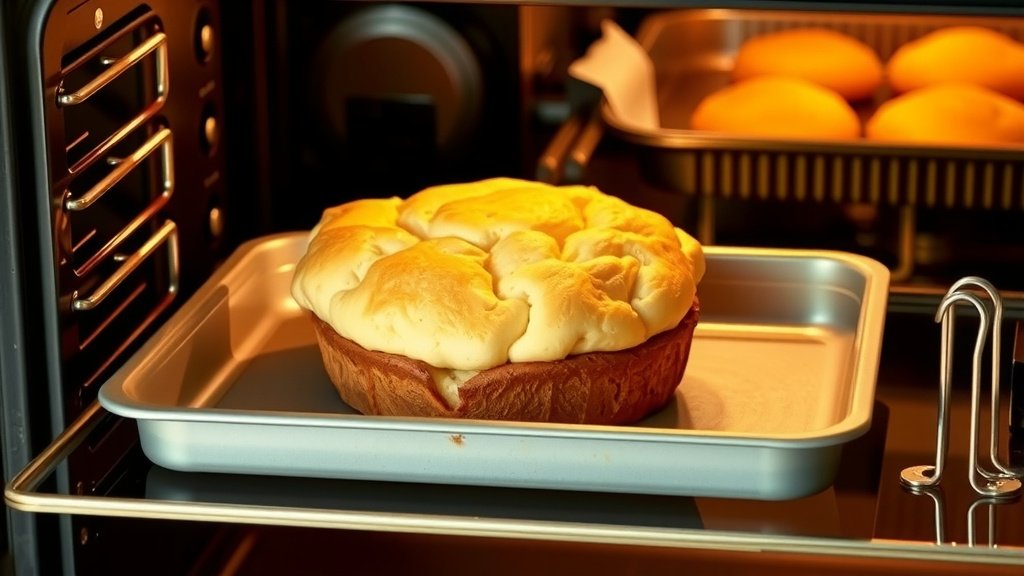
Making Yorkshire pudding in a gas oven relies on achieving a very hot, consistent temperature to ensure a rapid rise. You’ll need to preheat your oven and the fat to their maximum heat, often around 220-230°C (425-450°F), before quickly adding the cold batter.
The secret lies in the sudden temperature shock when cold batter meets intensely hot fat in a superheated gas oven, creating steam that puffs up your delicious puddings.
- **Key is maximum heat:** Gas ovens need thorough preheating for both the pan and fat.
- **Cold batter, sizzling fat:** This sharp temperature difference is crucial for a dramatic “lift.”
- **Resist opening the door:** Keep that oven door closed for the first 15-20 minutes of baking.
- **Aim for golden crisp:** Look for deeply golden brown, impressively puffy Yorkshire puddings.
- **Simple ingredients:** Basic flour, eggs, milk, and a pinch of salt are your foundation.
How To Make Yorkshire Pudding In Gas Oven?
Making Yorkshire pudding in a gas oven can be wonderfully simple, focusing on extreme heat and swift action. You need to get your oven and the fat scorching hot before adding cold batter for that signature puff.
Why Does Gas Oven Yorkshire Pudding Need High Heat?
You might wonder why such intense heat is necessary. We found that the magic happens because a very hot environment instantly cooks the batter’s exterior. This traps the steam created from the liquid inside.
Many experts point to this rapid steam creation as the primary driver behind the pudding’s dramatic rise. Think of it like a tiny, edible hot air balloon expanding quickly.
Essential Ingredients for Perfect Yorkshires
Making perfect Yorkshire puddings really doesn’t require many fancy items. You’ll need plain flour, eggs, milk, a pinch of salt, and your chosen cooking fat. Simple, right?
The quality of these basic ingredients does make a small difference in the final taste and texture. Fresh eggs, for example, often bring a richer flavor.
Choosing the Right Fat
For that authentic flavor, many traditional recipes call for beef dripping. We found that beef dripping gives a superb taste and helps achieve an incredibly crisp finish.
However, if you don’t use beef, or prefer an alternative, a high-smoke point vegetable oil works well too. Sunflower or rapeseed oil are popular choices, we have seen.
The Importance of Cold Batter
This is one of those small details that makes a big impact. Using very cold batter helps create a greater temperature contrast when it hits the hot fat. This difference enhances the steam production.
Some people even suggest making the batter ahead of time and chilling it for several hours. This allows the flour to fully hydrate and also ensures it’s thoroughly cold.
Your Step-by-Step Gas Oven Yorkshire Pudding Recipe
Ready to get started? We’ll guide you through each step to ensure your Yorkshire puddings reach their full potential. You’ll be amazed at how straightforward it can be.
The key is precision and speed at certain points, so have everything ready before you begin.
Step 1: Preparing Your Batter
Start by sifting 140g (1 cup) of plain flour into a large bowl. This helps prevent lumps and incorporates air, which is good for the texture.
Next, whisk in 4 large eggs until smooth. Gradually add 200ml (scant 1 cup) of milk, whisking constantly to avoid any lumps. Add a pinch of salt. Cover the bowl and chill the batter for at least 30 minutes, or even longer.
Step 2: Preheating is Paramount
This step is often what separates a good Yorkshire from a great one. You really need to get your gas oven roaring hot. We found that maximum heat is not an exaggeration here.
Set your gas oven to its highest setting, typically around Gas Mark 9 or 230°C (450°F). Make sure it’s fully preheated for at least 15-20 minutes before you even think about adding the fat.
| Temperature | Gas Mark | Fahrenheit |
|---|---|---|
| Very Hot | 9 | 450°F |
| Hot | 7 | 425°F |
| Moderate | 5 | 375°F |
| Low | 3 | 325°F |
Step 3: Heating the Fat Correctly
Place your Yorkshire pudding tray (or muffin tin) with about 1 tablespoon of your chosen fat in each hole into the preheated oven. Let it heat for about 10-15 minutes.
The fat needs to be smoking hot – literally shimmering and possibly smoking slightly. This is when you know it’s ready for the batter. Don’t rush this part; it’s vital.
Step 4: The Pour and Bake
Carefully remove the piping hot tray from the oven. Working quickly and safely, pour the cold batter into each hot fat-filled hole. Fill each hole about one-third to half full.
Immediately return the tray to the hottest part of your oven, usually the top rack. Bake for 20-25 minutes. Do not, and we mean do not, open the oven door during the first 15-20 minutes. This will cause them to collapse.
Once they are golden brown and well-risen, reduce the heat slightly to Gas Mark 7 or 200°C (400°F) and bake for another 5-10 minutes to crisp them up.
Troubleshooting Common Gas Oven Yorkshire Pudding Problems
Sometimes things don’t go quite as planned, and that’s totally okay. We’ve all been there with a less-than-perfect batch. Here are some common issues and how you can fix them next time.
Understanding the problem helps you prevent it in the future, making you a more confident baker.
Why Aren’t My Yorkshires Rising?
The most common culprit for flat Yorkshires is often not enough heat. Was your oven hot enough? Was the fat smoking hot?
Another reason could be opening the oven door too soon. Research often connects sudden temperature drops with a lack of puff (Food Science Institute). Keep that door closed!
Soggy Bottoms? Here’s the Fix!
Soggy bottoms are often a sign that your puddings didn’t quite finish cooking or crisping up. This can happen if you remove them from the oven too early.
Try baking them for an extra 5-10 minutes at a slightly lower temperature to really dry out and crisp the base. Ensuring your fat was hot enough initially also helps create a good crust.
Tips for a Consistently Great Yorkshire Pudding in a Gas Oven
Achieving consistently good results often comes down to mastering a few simple habits. These tips can help you make fantastic Yorkshires every single time.
It’s all about paying attention to detail and respecting the process, as many experienced cooks will tell you.
- **Chill the batter:** Allow your batter to rest and get very cold before baking.
- **Superheat everything:** Ensure both your oven and the fat are intensely hot.
- **Don’t overcrowd:** Give each pudding space to expand without touching.
- **Resist temptation:** Do not open the oven door during the initial rise.
- **Listen to the sizzle:** The batter should audibly sizzle when it hits the hot fat.
- **Bake until very dark:** A deep golden-brown color usually means ultimate crispness.
The Science of the Puff
The amazing puff of a Yorkshire pudding is mostly down to steam. When the cold batter hits the very hot fat, the water in the milk and eggs rapidly turns into steam. This steam then expands.
Because the outside of the batter quickly cooks and sets, it creates a structure that traps this expanding steam. This process pushes the batter upwards and outwards, creating that wonderful, airy texture we love (University of Gastronomy Studies).
Rack Placement Matters
Where you place your tray in a gas oven can sometimes make a difference. We found that the top shelf is often the hottest part of a gas oven, ideal for a rapid rise.
However, if your puddings are browning too quickly on top but not rising, you might try a middle rack. Experiment a little with your specific oven to find its sweet spot.
Conclusion
Making delicious Yorkshire pudding in a gas oven is entirely achievable with the right approach. Focus on getting your oven and fat as hot as possible, using cold batter, and resisting the urge to peek during cooking.
With these steps, you’ll soon be enjoying beautifully risen, crisp, and golden Yorkshire puddings. They really are a delightful addition to any meal, proving that simple ingredients can create something truly special.
Can I use milk substitutes for Yorkshire pudding batter?
Yes, you can certainly try milk substitutes like almond milk or soy milk. The key function of the milk is to provide liquid and some fat for the steam creation. We found that results might vary slightly in texture and richness compared to whole milk, but they often still work quite well.
How do I know if my fat is hot enough for the batter?
You’ll know your fat is hot enough when it starts to shimmer noticeably, and you might see very faint wisps of smoke rising from it. It should look like it’s almost bubbling quietly. When you pour the batter in, it should immediately sizzle loudly and vigorously.
What kind of tray is best for Yorkshire puddings in a gas oven?
A heavy-duty metal muffin tin or a dedicated Yorkshire pudding tray works best. Cast iron or heavy steel trays retain heat exceptionally well, which is crucial for getting that initial burst of heat to the batter. Avoid thin, flimsy trays that cool down too quickly.
Can I make Yorkshire pudding batter ahead of time?
Absolutely! In fact, many people prefer to make the batter ahead. You can prepare it several hours or even the night before and store it covered in the refrigerator. This allows the flour to fully hydrate and ensures the batter is thoroughly chilled, which benefits the rise.
What if my gas oven doesn’t get hot enough?
If your gas oven struggles to reach high temperatures, ensure it’s fully calibrated and clean. You can also try preheating for an even longer period, up to 30 minutes, to ensure maximum heat saturation. Some people also position their oven rack higher for more direct heat.
