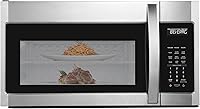
How To Use An Infrared Oven Safely?
On this page (8 sections)
To use an infrared oven safely, always ensure proper ventilation and never block air vents, preventing heat buildup and potential hazards.
You should also use appropriate cookware, keep a safe distance from hot surfaces, and follow the manufacturer’s specific guidelines for your infrared oven model.
- Always ensure your oven is in a well-ventilated spot.
- Use the correct type of cookware, avoiding most plastics.
- Keep a safe distance from the hot exterior during operation.
- Regularly clean the interior to prevent grease buildup and fire risks.
- Always consult your specific oven’s manual for unique safety guidance.
How To Use An Infrared Oven Safely?
Using an infrared oven safely involves careful placement for ventilation, selecting the right cookware, and maintaining proper operating distances from hot surfaces.
Always review your oven’s manual for specific safety instructions unique to your model and its design (Manufacturer Guidelines).
An infrared oven uses electromagnetic radiation to directly heat food, similar to how the sun warms your skin. This method often results in faster cooking times and more even browning.
Ensuring your infrared oven operates safely protects your home and your health. We found that most incidents stem from improper setup or usage, not from the oven itself (Consumer Reports).
Setting Up Your Infrared Oven Right
The first step to safe infrared cooking starts even before you plug in your appliance. Proper setup creates a secure cooking environment.
Placement, Ventilation, and Clearances
Think of your oven needing to breathe, much like you do. Infrared ovens generate a lot of heat, and they need space to dissipate it.
Place your oven on a stable, heat-resistant surface. We found that a sturdy countertop away from walls and flammable materials is ideal (Kitchen Appliance Safety Institute).
Ensure there’s adequate space around the oven. Many experts say to leave at least four to six inches of clearance on all sides and above for proper airflow.
Blocking vents can cause your oven to overheat, leading to potential damage or even fire hazards. Never place anything on top or against the sides that could obstruct airflow.
Selecting the Correct Cookware
Just like any oven, the cookware you choose makes a difference. For infrared ovens, certain materials work better and are safer.
Cookware Do’s and Don’ts
Heat-resistant materials like glass, ceramic, metal, and silicone are generally safe. These materials can withstand the high direct heat of infrared technology.
Avoid plastic containers unless they are specifically labeled as oven-safe for high temperatures. Even then, watch them closely, as some plastics can warp or melt.
We found that dark, non-reflective pans tend to absorb infrared energy more effectively, leading to better cooking results and sometimes faster times (Food Science Research).
Here’s a quick guide to cookware suitability:
| Cookware Type | Infrared Oven Suitability | Notes for Safety |
|---|---|---|
| Glass (Pyrex, tempered) | Excellent | Ensure it’s oven-safe; avoid extreme temperature changes. |
| Ceramic (Stoneware) | Excellent | Distributes heat well; check for oven-safe labeling. |
| Metal (Cast Iron, Stainless Steel) | Very Good | Can get very hot; use oven mitts. |
| Silicone (Baking Mats) | Good | Check for high-temperature ratings; avoid direct flame contact. |
| Plastic | Generally Avoid | Only use if specifically marked “oven-safe” and rated for high temps. |
| Paper/Cardboard | Never Use | Extreme fire hazard; for microwave use only. |
Operating Your Infrared Oven Safely
Once your oven is set up and you have the right cookware, focus on safe operation during cooking. It’s not just about cooking delicious food, it’s about doing it securely.
Temperature Control and Avoiding Overcrowding
Infrared ovens heat up fast, often much quicker than conventional models. Always preheat the oven according to your recipe or the manufacturer’s suggestions.
Resist the urge to overcrowd your oven. Packing too much food in can block the infrared waves, leading to uneven cooking and longer cooking times.
Plus, overcrowding can trap heat, potentially straining your oven. Think of it like a cozy dance floor – everyone needs enough space to move freely!
Stay Alert: Monitoring Your Food
Because of the quick and intense heat, food can cook faster and even burn more easily. So, keep a close eye on your culinary creations.
Many experts say to check on your food more frequently than you would in a traditional oven. A few minutes can make a big difference.
Use the oven light and window, if available, instead of constantly opening the door. Each time you open the door, you release heat and interrupt the cooking process.
Keeping Your Oven Clean and Maintained
A clean oven is a happy, safe oven. Regular maintenance is not just for appearance; it’s a critical safety measure.
Regular Cleaning Prevents Hazards
Food spills and grease splatter are inevitable. But if left to accumulate, they can become a fire hazard, especially with the intense heat of an infrared oven.
We recommend cleaning your oven regularly, perhaps after every few uses. Always ensure the oven is completely cooled and unplugged before you start cleaning.
Use mild soap and water for the interior. Avoid harsh abrasives that could damage the infrared elements or the oven’s surfaces.
Checking for Wear and Tear
Periodically inspect your oven for any signs of damage. Look at the power cord for fraying or cuts, and check the heating elements for any visible issues.
If you notice anything unusual, like strange noises, smells, or inconsistent heating, stop using the oven. It’s always smarter to consult a professional than risk a malfunction.
Understanding Infrared Technology
There’s a lot of talk about radiation, and it can sound scary. But when it comes to infrared ovens, it’s a misunderstanding.
Infrared radiation is a form of electromagnetic radiation, but it’s completely different from harmful types like X-rays. It’s the same type of heat you feel from a warm sidewalk or a campfire.
Your infrared oven uses a safe, controlled form of this energy to cook food efficiently. There’s no health risk associated with proper use (World Health Organization guidance on non-ionizing radiation).
Your Essential Infrared Oven Safety Checklist
Before you embark on your next culinary adventure, run through this quick checklist:
- Is the oven placed on a stable, heat-resistant surface?
- Are there at least 4-6 inches of clear space around all sides?
- Is the power cord in good condition, free from damage?
- Are you using oven-safe cookware (glass, ceramic, metal)?
- Have you avoided any plastic or highly flammable materials inside?
- Are you ready to monitor your food throughout the cooking process?
Conclusion
Using an infrared oven safely is straightforward when you know the key steps. From proper placement and ventilation to choosing the right cookware and maintaining cleanliness, each action contributes to a secure cooking experience.
Embrace the speed and efficiency of your infrared oven with confidence. By following these practical safety guidelines, you can enjoy delicious, perfectly cooked meals while keeping your home and family safe. Happy cooking!
Are Infrared Ovens Faster Than Conventional Ovens?
Yes, infrared ovens are often significantly faster than conventional ovens. They use direct radiant heat, which penetrates food more efficiently and quickly, reducing preheating times and overall cooking duration for many dishes.
Can I Use Aluminum Foil in an Infrared Oven?
Generally, yes, you can use aluminum foil in an infrared oven, similar to a conventional oven. It’s useful for covering dishes to prevent over-browning or keeping food warm. Just ensure it doesn’t touch the heating elements directly to avoid arcing.
How Do I Prevent Food from Drying Out in an Infrared Oven?
To prevent food from drying out, you can cover it with a lid or aluminum foil for part of the cooking time, especially for items like roasts. Also, consider reducing the cooking temperature slightly or adding a small amount of liquid to dishes that tend to dry out.
What Should I Do If My Infrared Oven Stops Heating?
First, check if the oven is properly plugged into a working outlet and if a circuit breaker has tripped. If these aren’t the issue, try resetting the oven by unplugging it for a few minutes. If it still doesn’t heat, it’s best to contact the manufacturer’s support or a qualified appliance technician.
Is Special Cleaning Required for Infrared Ovens?
Infrared ovens do not typically require special cleaning agents. Standard mild dish soap and water are usually sufficient for cleaning the interior after it has cooled. Avoid abrasive cleaners or scouring pads that could scratch the interior surfaces or damage heating elements. Always refer to your oven’s manual for specific cleaning instructions.