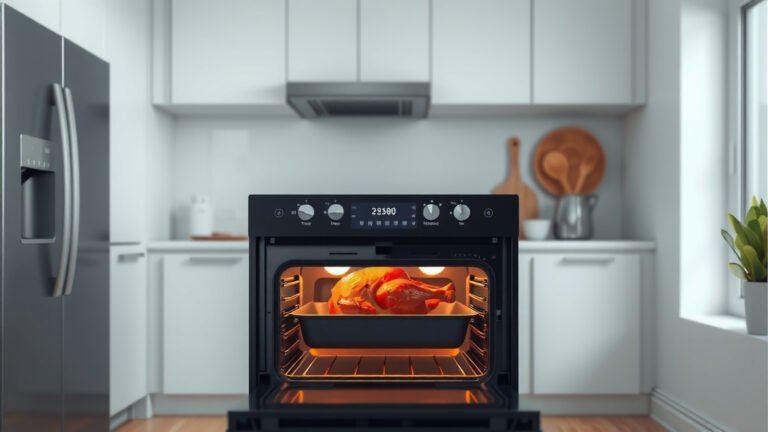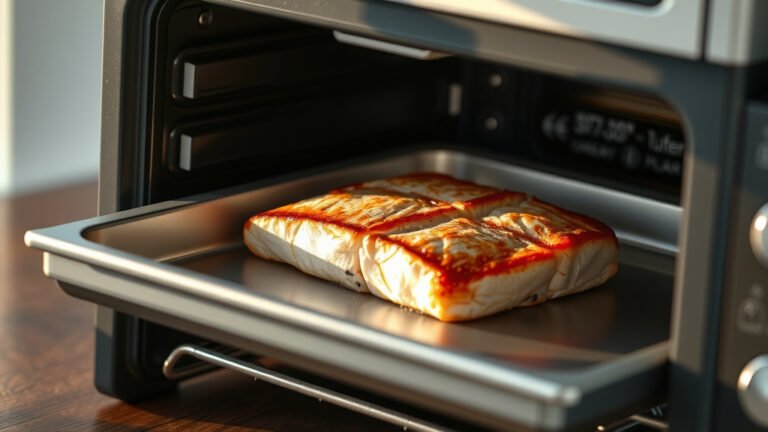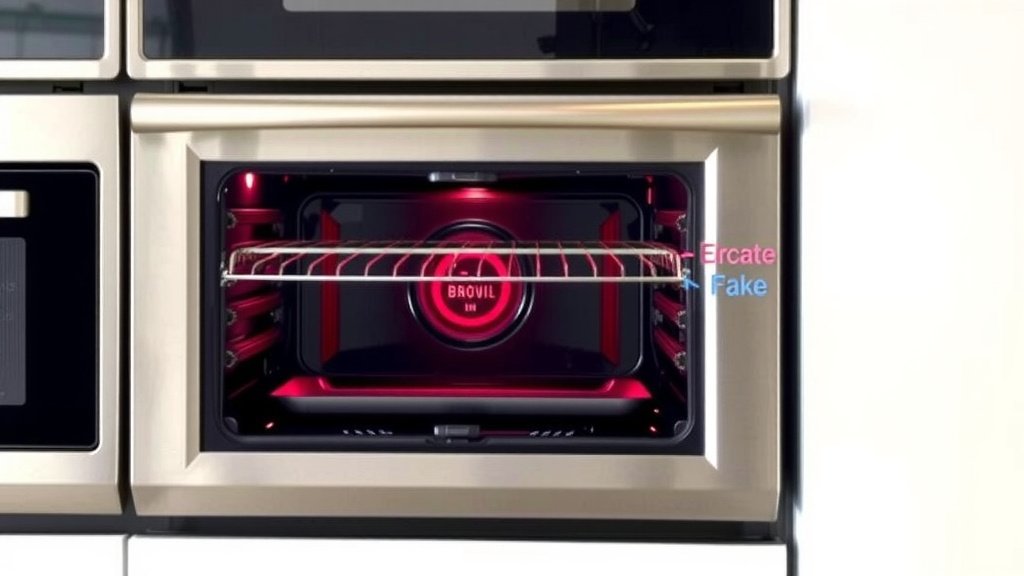
To use the broil function in a single wall oven, you need to place your food on an oven rack positioned close to the top heating element. This setting uses very intense, direct heat from above for rapid cooking.
The broil function is best for quickly searing meats, melting cheese, toasting bread, or caramelizing toppings, providing a different cooking style than baking.
- Broiling uses intense top heat, perfect for quick searing.
- Always preheat your oven to the broil setting for even results.
- Place food close to the top element, but watch it constantly to avoid burning.
- Different foods need different rack positions and cooking times.
- Safety first: Use oven mitts and keep the door slightly ajar if your oven recommends it.
How To Use Broil Function In Single Wall Oven?
Using the broil function in your single wall oven lets you create amazing dishes with a crispy finish. It’s like having an indoor grill, giving you that beautiful sear quickly.
You can truly transform many meals with just a few minutes under the broiler. Are you ready to master this powerful cooking method?
Understanding the Broil Function
What exactly is broiling? Think of it as inverse grilling. Instead of heat coming from below, it comes directly from the top element of your oven.
This concentrated, high heat is perfect for browning, crisping, and cooking thin foods very fast. We found that it heats food by radiation, creating a char and crust (Appliance Standards Organization).
Broil vs. Bake: What’s the Difference?
Many home cooks wonder about the core differences. Baking surrounds food with gentle, even heat from all directions for slower cooking.
Broiling, by contrast, focuses intense heat from one direction, specifically the top. This makes it ideal for quick finishes or thin cuts of food.
Here is a quick look at how broiling stands apart:
| Feature | Broil Function | Bake Function |
|---|---|---|
| Heat Source | Top heating element | Bottom and/or top elements cycling |
| Heat Intensity | Very high, direct | Moderate, ambient |
| Cooking Speed | Fast | Slower |
| Best For | Searing, browning, melting, thin foods | Roasting, casseroles, cakes, thick foods |
| Monitoring | Constant, hands-on | Periodic checks |
Getting Your Oven Ready for Broiling
Before you even think about putting food in, some important steps make broiling safe and effective. Proper preparation prevents mishaps and helps your food cook right.
It also means you avoid a smoky kitchen or burnt dinners. Let’s make sure you’re set up for success.
Cleaning Your Oven: A Step You Can’t Skip
You’ll want to ensure your oven interior is clean before broiling. Any drips or crumbs left from previous cooking can smoke a lot under high broil heat.
Many experts say a clean oven prevents bad odors and potential flare-ups (USDA). A quick wipe-down can save you a big headache.
Choosing the Right Oven Rack Position
This is a game-changer for broiling. The rack position determines how close your food is to the intense top heat.
Generally, place the rack one position from the top for most items you want to brown quickly. For thinner foods or just melting cheese, you might use the very top spot.
Preheating Your Oven for Broil
Do you need to preheat for broiling? Yes, you certainly do. Preheating gets the heating element glowing hot.
This ensures instant, powerful heat when you put your food in. It often takes about five to ten minutes to reach full broil intensity.
Using a Broiler Pan: Your Essential Tool
A broiler pan is not just any pan. It has two parts: a slotted top and a solid bottom tray.
This design allows fats and juices to drain away from your food. This helps prevent smoking and makes for crispier results (Culinary Institute of America).
Preparing Your Food for Broiling
How you prepare your food changes everything. Thin, evenly cut pieces work best.
Think about patting food dry before cooking. This helps achieve that beautiful sear we talked about.
Seasoning and Oiling for Optimal Results
A light coat of oil on your food or the broiler pan helps with browning and prevents sticking. Salt and pepper, or your favorite spices, should go on before broiling.
Remember, the cooking time is very short. So, your seasonings need to be in direct contact to flavor the food fast.
The Broiling Process: Step-by-Step
Now, for the main act! Broiling is fast, so staying focused is important. It’s not a set-it-and-forget-it cooking method.
You’ll be right there, often peering into the oven. Are you ready to see some magic happen?
Inserting Your Food
Once your oven is preheated, carefully slide the broiler pan with your food onto the selected rack. Use oven mitts; the oven will be very hot.
Close the oven door, but check your oven’s manual. Some models suggest leaving the door slightly ajar to prevent the element from cycling off due to high heat buildup.
Monitoring and Flipping
Here’s where the “constant watch” comes in. Broiling can go from perfect to burnt in mere seconds. Many experts advise never walking away from a broiler.
Flip your food halfway through the cooking time if you want both sides browned. Use tongs for this, as the pan will be incredibly hot.
Safety First When Broiling
With such high heat, safety is a top concern. You want to cook great food without any risks.
A little awareness goes a long way to keep you and your kitchen safe.
- Always stay nearby: Do not leave food unattended under the broiler.
- Use proper tools: Oven mitts and long tongs are your best friends.
- Check your manual: Confirm whether your oven needs the door ajar or closed during broiling.
- Watch for smoke: If you see excessive smoke, turn off the oven and investigate.
- Keep area clear: Remove any flammable items near the oven.
What Can You Broil?
The possibilities are many! Broiling is fantastic for specific tasks that need direct heat.
It’s very versatile for both savory and sweet dishes. What will you try first?
Broiling Meats and Fish
Thin cuts of steak, chicken breasts, or fish fillets cook wonderfully under the broiler. They get a delicious crust while staying tender inside.
Many chefs use broiling to finish a seared steak or to give chicken a beautiful golden-brown skin.
Melting Cheese and Toasting
Ever want perfectly melted cheese on a gratin or nachos? The broiler is your go-to. It melts and browns cheese in moments.
It’s also great for making garlic bread or quickly toasting breadcrumbs on top of a casserole.
Common Broiling Mistakes to Avoid
Even seasoned cooks sometimes make small errors. Knowing what to watch out for helps you cook like a pro.
A little foresight makes a big difference in your broiling success.
Not Preheating Enough
Putting food into a cold broiler means it takes longer to heat up. This can dry out your food before it even starts to brown.
It also means uneven cooking, which nobody wants after all that effort.
Placing Food Too Far or Too Close
If food is too far from the element, it will just bake slowly. Too close, and it will burn before the inside cooks.
Practice helps you find that sweet spot for different foods. Often, one position below the top is ideal.
Conclusion
Mastering the broil function in your single wall oven opens up a world of quick, flavorful cooking. It’s a fantastic way to add char, crispiness, and beautiful color to many dishes.
By understanding the heat, preparing your oven and food correctly, and staying attentive, you’ll soon be broiling like a pro. Enjoy those deliciously seared meals!
What type of dishes are best for broiling?
Broiling works best for thin cuts of meat like steak or fish fillets, vegetables that cook quickly, and for browning the tops of casseroles, melting cheese on dishes, or toasting bread.
Should I leave the oven door open or closed when broiling?
This depends on your specific oven model. Many older or professional-style ovens suggest leaving the door slightly ajar to vent heat, preventing the element from cycling off. Always check your oven’s user manual for the correct guidance.
How do I know when my food is done broiling?
Because broiling is very fast, you must watch your food constantly. Look for a deep golden-brown color and listen for sizzling. For meats, using a meat thermometer to check internal temperature is always the safest and most accurate method.
Can I use aluminum foil under the broiler?
Yes, you can line a broiler pan with aluminum foil for easier cleanup. However, make sure the foil is tucked securely and does not touch the heating element. Also, some experts say to avoid foil when broiling very greasy foods, as it can trap grease and raise fire risk.
What is the best way to clean up after broiling?
After your oven cools, remove the broiler pan. Soak it immediately in hot, soapy water to loosen any baked-on bits. A good scrub brush can help. If you lined it with foil, simply discard the foil carefully.