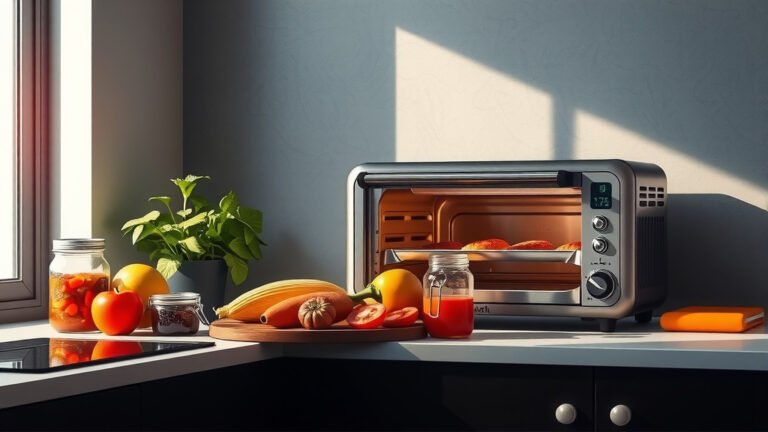
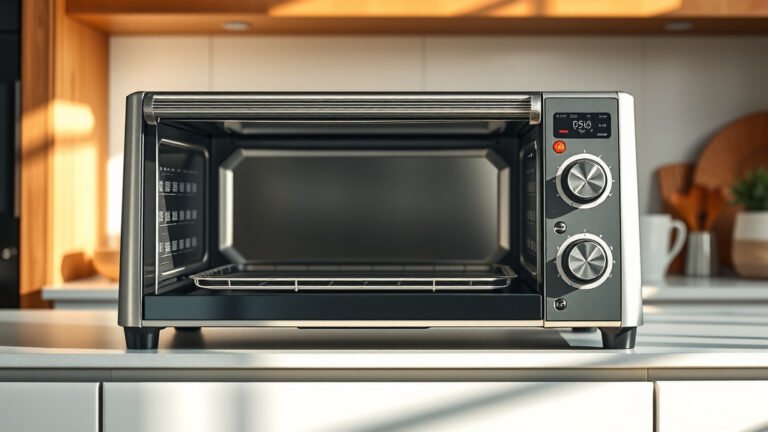
A steam oven is absolutely worth considering for many home cooks, especially if you value healthier cooking, superior food texture, and versatility in your kitchen appliances. It offers distinct benefits over traditional ovens.
You’ll find a steam oven excels at baking, reheating, and roasting, delivering moist, tender results that often surpass conventional methods.
TL;DR: Is a steam oven right for you?
- It offers healthier cooking by preserving nutrients and moisture.
- Expect better food texture: crispy outside, tender inside.
- It’s super versatile for baking, roasting, and gentle reheating.
- Ideal if you want restaurant-quality results at home.
- Consider your budget and kitchen space; it’s an investment appliance.
Is A Steam Oven Worth It?
Yes, for many culinary enthusiasts and health-conscious individuals, a steam oven proves to be a worthwhile investment due to its unique cooking capabilities.
It elevates everyday meals and makes special occasion dishes shine.
Understanding How Steam Ovens Work
Steam ovens cook food using water vapor instead of dry heat. You typically add water to a reservoir, and the oven heats it to create steam.
This steam then circulates, gently cooking your food. Some models even combine steam with convection for a powerful cooking approach.
The Science Behind Moist, Delicious Food
When you cook with steam, it wraps around your food, preventing moisture loss. Think of it like a gentle, hot cloud.
This means your meats stay juicy, your vegetables retain their vibrant color, and bread gets a beautiful crust without drying out.
Key Benefits of Owning a Steam Oven
Why are people so excited about these ovens? It comes down to a few standout advantages.
We found that users consistently report a significant improvement in their cooking results.
Unmatched Food Quality and Texture
Imagine roasted chicken with impossibly crispy skin and succulent, moist meat. Or bread with a shiny, chewy crust.
Steam ovens deliver these results by creating the perfect cooking environment (America’s Test Kitchen).
Healthier Cooking Options
Cooking with steam helps preserve vitamins and minerals that often get lost in boiling or high-heat roasting.
You also don’t need to add much oil or butter, making your meals naturally lighter.
Incredible Versatility for Any Meal
Beyond steaming vegetables, these ovens can do so much more. You can bake, roast, proof dough, and even sous vide. We found that this versatility is a major selling point for many.
- Baking: Achieve perfect crusts on bread and pastries.
- Roasting: Keep meats tender and juicy, like never before.
- Reheating: Gently warm leftovers without drying them out.
- Vegetables: Cook them vibrant and nutrient-rich.
- Desserts: Create creamy custards and fluffy soufflés.
Faster Cooking Times for Busy Lives
Many experts say that steam can transfer heat more efficiently than dry air. This often means your food cooks a bit faster.
It’s a small but welcome time-saver when you’re rushing to get dinner on the table.
Potential Downsides to Consider
No appliance is perfect for everyone, and steam ovens do have a few points to weigh.
It’s important to look at the full picture before making a decision.
Higher Initial Cost
Generally, steam ovens are more expensive than conventional ovens. This is a significant factor for many budgets.
Think of it as an investment in your cooking experience and culinary results.
Installation and Maintenance Needs
Some steam ovens require a dedicated water line, while others have a refillable reservoir. The reservoir models need frequent refilling and emptying.
Regular cleaning is also key to prevent mineral buildup, similar to a coffee maker.
Learning Curve for New Users
While intuitive, using a steam oven effectively might take a little practice. You’ll learn new techniques and adjust cooking times.
Many users report that the initial effort quickly pays off with better food.
Steam Oven vs. Conventional Oven: A Quick Comparison
What sets them apart fundamentally? Let’s look at the core differences.
Understanding these helps you choose the right tool for your kitchen.
| Feature | Steam Oven | Conventional Oven |
|---|---|---|
| Cooking Method | Moist heat (steam), often combined with convection. | Dry heat (electric or gas elements). |
| Food Moisture | Retains moisture well, prevents drying. | Can dry out food, especially without added liquids. |
| Nutrient Retention | Excellent, preserves vitamins and minerals. | Moderate, some loss with high heat. |
| Texture Result | Tender inside, crispy outside (with combination modes). | Crispy/browned, can be dry without care. |
| Reheating Food | Gentle, keeps food fresh-tasting. | Can make food rubbery or dry. |
| Typical Cost | Higher. | Lower to moderate. |
Who Is a Steam Oven Best For?
Is this appliance your kitchen soulmate? Consider if these points describe you.
We found that specific lifestyles benefit most from this technology.
The Health-Conscious Cook
If eating nutritious, gently cooked food is a priority, a steam oven fits perfectly. It helps you maximize the goodness in your ingredients.
You can truly taste the difference in steamed vegetables.
The Aspiring Home Chef
Do you enjoy experimenting and want to achieve professional-level results? A steam oven gives you a significant advantage.
It opens up a world of culinary possibilities, from delicate fish to perfect roasts.
Anyone Who Loves to Bake Bread
Many professional bakers use steam injection to get that perfect crust and rise. Now, you can do it at home.
It’s a game-changer for homemade loaves and pastries.
Making Your Decision: A Quick Checklist
Ready to decide if a steam oven is the right move for your kitchen?
Run through these questions to see if it aligns with your needs.
- Do you prioritize healthier cooking methods?
- Are you willing to invest in a premium appliance?
- Do you often cook foods that benefit from moisture (fish, vegetables, bread)?
- Is achieving superior food texture important to you?
- Do you have space for a new or upgraded oven, and potentially a water line?
- Are you excited to learn new cooking techniques?
If you answered yes to most of these, then a steam oven might just be your next favorite kitchen tool!
Conclusion
Ultimately, a steam oven offers a compelling set of advantages that can genuinely transform your cooking experience. While the initial investment and learning curve are factors, the benefits of healthier meals, enhanced flavors, and superior textures often outweigh these considerations for many.
Whether you’re a seasoned chef or simply passionate about good food, a steam oven empowers you to cook with greater precision and achieve delicious, professional-quality results right in your own kitchen. It truly is a versatile powerhouse that could elevate your culinary journey.
Can you really bake and roast in a steam oven?
Yes, absolutely! Many modern steam ovens are combination steam ovens. This means they can use steam, convection (dry heat), or both at the same time. This hybrid approach lets you roast chicken until it’s crispy on the outside but incredibly juicy inside, or bake bread with a perfect crust and soft interior.
Do steam ovens require special cookware?
For most uses, you can use your existing oven-safe cookware. However, some steam oven models come with perforated pans that are ideal for steaming vegetables or fish, allowing the steam to circulate all around the food for even cooking. Solid pans are used for roasting or baking.
How do you clean a steam oven?
Cleaning a steam oven typically involves wiping down the interior after each use to prevent residue buildup. For mineral deposits from steam, many models have a descaling function where you run a cycle with a descaling solution, much like cleaning a coffee machine. Regular descaling is crucial for longevity (Good Housekeeping).
Are steam ovens energy efficient?
Generally, steam ovens are considered quite energy-efficient. Steam transfers heat very effectively, which can often lead to shorter cooking times compared to traditional ovens. Plus, cooking at lower temperatures with steam can also save energy, making them a smart choice for your utility bill.
Can a steam oven replace a microwave for reheating?
For many, a steam oven is a superior choice for reheating food compared to a microwave. Microwaves often dry out food or create hot and cold spots. A steam oven gently reintroduces moisture, making leftovers taste much fresher and more like they were just cooked, without the rubbery texture sometimes associated with microwave reheating.