
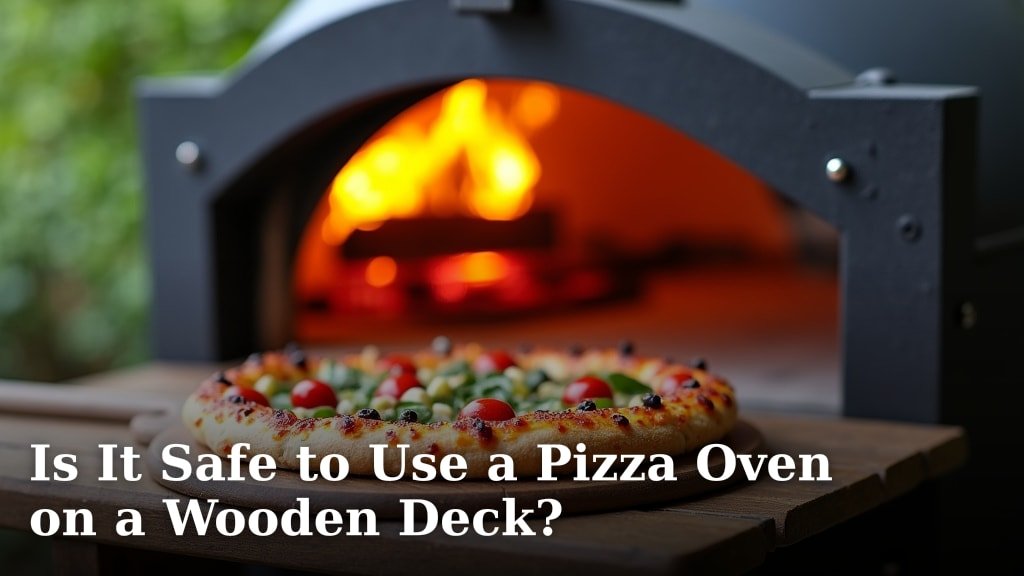
Yes, it can be safe to use a pizza oven on a wooden deck, but you need to take specific safety precautions. You must protect your deck from extreme heat and stray embers. Ignoring these steps could lead to serious fire hazards.
Using a pizza oven on a wooden deck requires careful planning. We found that most concerns revolve around heat transfer and the risk of stray sparks. Your primary goal is to create a safe, non-combustible barrier between the oven and your deck surface.
- Always use a fireproof mat.
- Ensure proper clearance from combustibles.
- Monitor for stray embers.
- Have fire extinguishing tools nearby.
- Choose a stable, level spot.
Ready to make delicious pizza safely? Let’s walk through everything you need to know about using a pizza oven on your wooden deck, step by step.
Using Your Pizza Oven Safely on a Wooden Deck
You can certainly enjoy delicious homemade pizza on your wooden deck, but you need to prioritize safety. The key is understanding and managing the heat and potential for embers. Let’s explore how to make your pizza nights worry-free.
Understanding the Risks: Heat and Embers
When you’re firing up a pizza oven, you’re dealing with very high temperatures. These ovens can reach 700-1000°F (370-540°C) internally. This intense heat, combined with potential stray sparks, presents real challenges for a combustible surface like a wooden deck.
The primary risks are direct heat transfer and stray embers. Direct heat can warp or scorch your deck boards over time, weakening the wood. Stray embers, especially from wood-fired ovens, can ignite dry leaves or the deck itself if not properly contained.
Direct Heat Transfer
Your pizza oven’s base gets hot. Even if it feels cool to the touch on the outside, the heat radiating downwards can be significant. This constant, localized heat can dry out and damage the wood underneath, creating a potential fire hazard. We found that most deck fires related to grills or ovens start from radiant heat over time (National Fire Protection Association).
Stray Embers and Sparks
Especially with wood-fired ovens, small pieces of burning wood can escape the chimney or oven opening. Wind can carry these embers surprisingly far. If they land on a dry part of your deck, or on leaves and debris, they can quickly ignite a fire. This is why vigilance is so important.
Essential Safety Measures for Your Deck
Protecting your wooden deck starts with creating a non-combustible zone around and under your oven. Think of it as a personal fire safety perimeter. These steps aren’t optional; they’re vital for your safety and peace of mind.
Fireproof Mat or Pad
This is arguably the most critical component. You absolutely need a fireproof mat or pad specifically designed for outdoor cooking appliances. This mat acts as a barrier, preventing heat transfer and catching any stray embers.
- Choose a mat made from materials like fiberglass or silicone.
- Ensure it extends at least 12-18 inches beyond all sides of your pizza oven.
- The mat should be thick and heavy-duty, designed for high temperatures.
- Regularly check the mat for wear and tear, replacing it if damaged.
Proper Clearance from Combustibles
Just like with a grill, your pizza oven needs space. Keep it well away from anything that can burn. This includes deck railings, house siding, overhanging trees, curtains, and furniture.
- Maintain at least 3-5 feet of clearance from your home and any wooden structures.
- Ensure no low-hanging branches are directly above the oven’s chimney.
- Clear away any leaves, debris, or other flammable materials from the immediate area.
Stable and Level Surface
An unstable oven is a dangerous oven. Always place your pizza oven on a stable, flat, and level surface. If your deck isn’t perfectly level, you might need to shim the oven stand or choose another spot.
- Check for wobbling before you light the oven.
- Ensure the oven’s stand or legs are fully engaged and secure.
- A level surface prevents hot oil or food from spilling, and the oven from tipping over.
Preparation and Awareness Checklist
Before you even light a match, a quick check of your surroundings and equipment can prevent many problems. It’s about being prepared and mindful of the powerful tool you’re using.
Here’s a quick checklist to run through every time you plan to use your pizza oven on the deck:
- Is the fireproof mat correctly positioned and extended?
- Are there at least 3-5 feet of clearance to all combustible materials?
- Is the oven stable and not wobbly?
- Do you have a fire extinguisher or water source readily available?
- Are children and pets kept at a safe distance?
- Have you checked local weather for high winds?
Fire Extinguishing Tools: Your Safety Net
Accidents can happen, even with the best precautions. Having immediate access to fire extinguishing tools is not just smart, it’s essential. Think of it as your insurance policy for deck pizza night.
Consider these options to have within arm’s reach:
- Fire Extinguisher: A standard ABC-rated fire extinguisher is suitable for most small fires. Make sure it’s fully charged and you know how to use it.
- Bucket of Sand: For wood-fired ovens, a bucket of sand can quickly smother embers or small flare-ups without damaging your deck.
- Garden Hose: A connected and ready garden hose with good pressure can be a quick solution for larger, deck-surface fires.
- Metal Lid or Fire Blanket: For small oven fires, a metal lid or fire blanket can cut off oxygen.
Choosing the Right Pizza Oven for Deck Use
Not all pizza ovens are created equal, especially when considering deck safety. The type of fuel source can impact the risk profile and your required precautions. We’ve seen a rise in portable electric and gas options that tend to be safer for decks than traditional wood-fired ovens.
| Oven Type | Pros for Deck Use | Cons for Deck Use |
|---|---|---|
| Electric Pizza Ovens | No open flame, minimal ember risk, consistent heat, often smaller. | Requires an outdoor power outlet, slower preheat than gas/wood. |
| Propane/Gas Pizza Ovens | Contained flame, fast preheat, less smoke/embers than wood, easy to control. | Still produces heat underneath, requires gas tank storage away from heat. |
| Wood-Fired Pizza Ovens | Authentic flavor, high heat. | Highest risk of embers/sparks, significant heat output, requires ash disposal, more smoke. |
As you can see, electric and gas ovens generally present fewer direct risks when used on a wooden deck due to their contained heat sources and minimal ember production. If you choose a wood-fired oven, your diligence with fire mats and clearances becomes even more critical.
Post-Cooking Procedures
Your pizza party isn’t over until the oven is completely cool and safe. The cooling down phase is just as important as the cooking phase for preventing accidents. You might be tempted to leave it, but cooled embers can reignite.
- Allow the oven to cool down naturally for several hours, or even overnight.
- For wood-fired ovens, ensure all embers are completely extinguished. You can use a metal shovel to spread them out or sprinkle them with water/sand.
- Never cover a hot oven with a cover or tarp, as this can trap heat and create a fire hazard.
- Once cool, properly dispose of any ash or debris in a metal container.
Remember, a cooled oven can still radiate residual heat. Don’t assume it’s safe to touch or store immediately after turning it off or letting the fire die down.
Conclusion
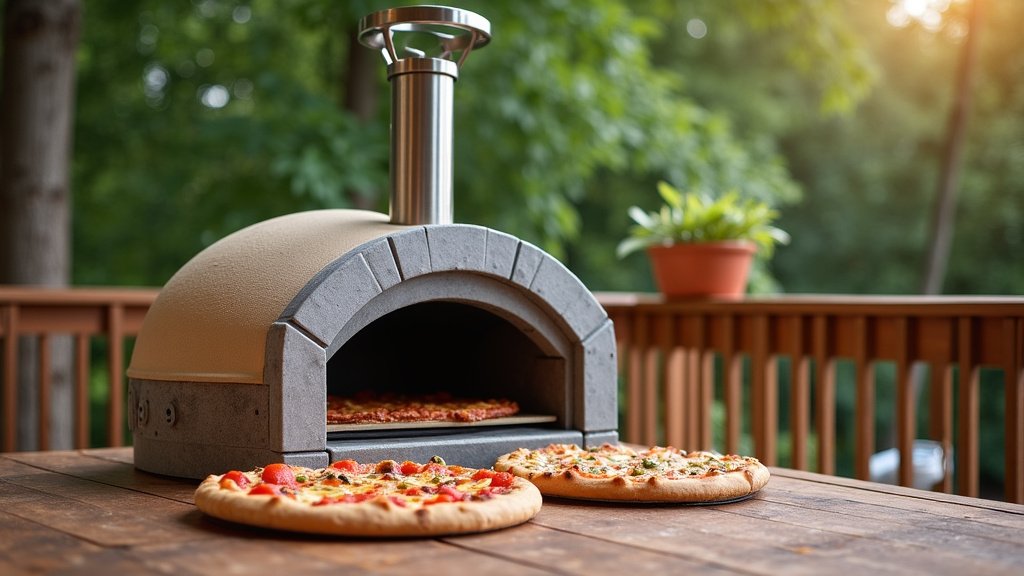
Using a pizza oven on your wooden deck is absolutely possible when you prioritize safety. You’ve learned that a fireproof mat, ample clearance, and a stable setup are non-negotiable. Always have fire extinguishing tools handy and conduct a quick safety check before each use. By taking these precautions, you can confidently enjoy delicious homemade pizzas without compromising your deck’s integrity or your family’s safety. Now, go make some amazing pizza!
Frequently Asked Questions
Can I use a pizza oven directly on concrete if not on a deck?
Yes, using a pizza oven directly on a concrete patio or slab is generally safer than on wood. Concrete is non-combustible and won’t ignite. However, we still recommend a protective mat to prevent heat transfer that could crack the concrete over time, and for catching embers.
How far should a pizza oven be from my house?
You should maintain at least 3-5 feet of clearance from your house or any other combustible structures, like wooden fences or sheds. This distance helps prevent radiant heat from damaging siding and minimizes fire risk from stray embers.
Are electric pizza ovens safer for decks than gas or wood-fired ones?
Generally, yes, electric pizza ovens pose the lowest risk for deck use. They don’t produce an open flame or embers. Gas ovens are next safest due to contained flames, while wood-fired ovens require the most stringent precautions due to sparks and higher radiant heat.
What kind of fireproof mat is best for a pizza oven?
The best fireproof mats are made from materials like fiberglass, silicone, or volcanic rock fiber. Look for a mat specifically rated for high heat and outdoor grilling. It should extend at least 12-18 inches beyond all sides of your oven’s base.
Can wind affect pizza oven safety on a deck?
Absolutely. Strong winds can spread embers from wood-fired ovens much further, increasing fire risk. Wind can also cool your oven unevenly or make it less stable. Avoid using your pizza oven on very windy days, or position it in a sheltered area if possible.
