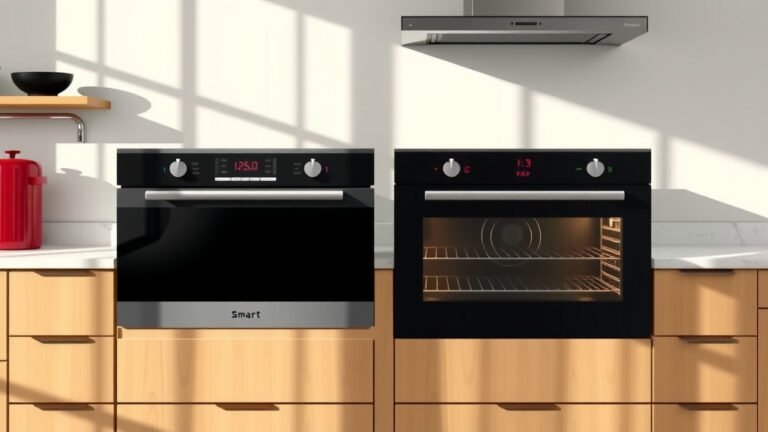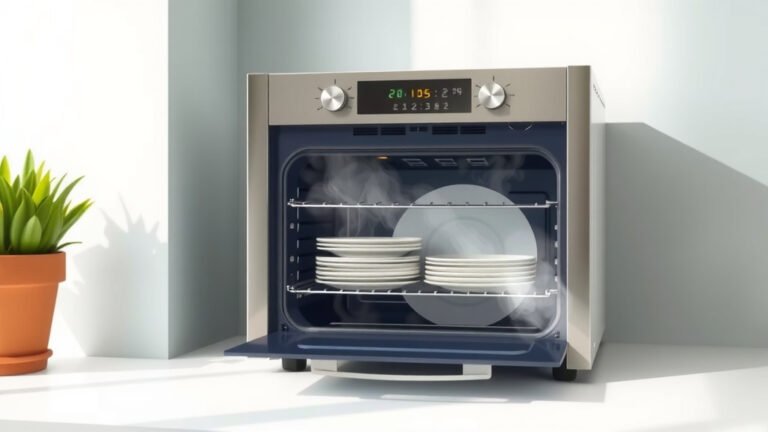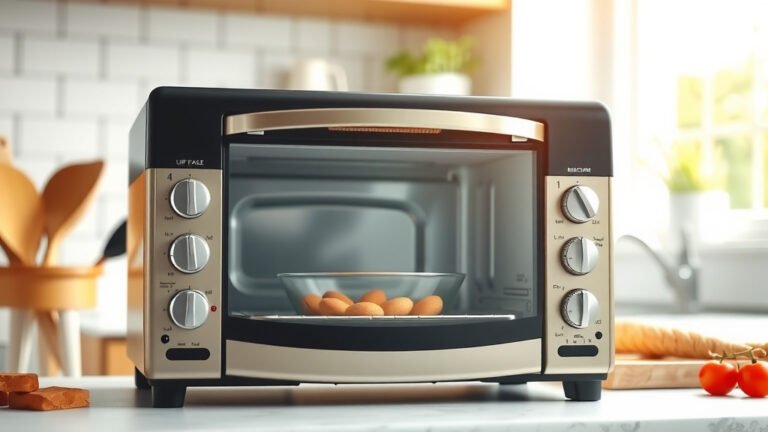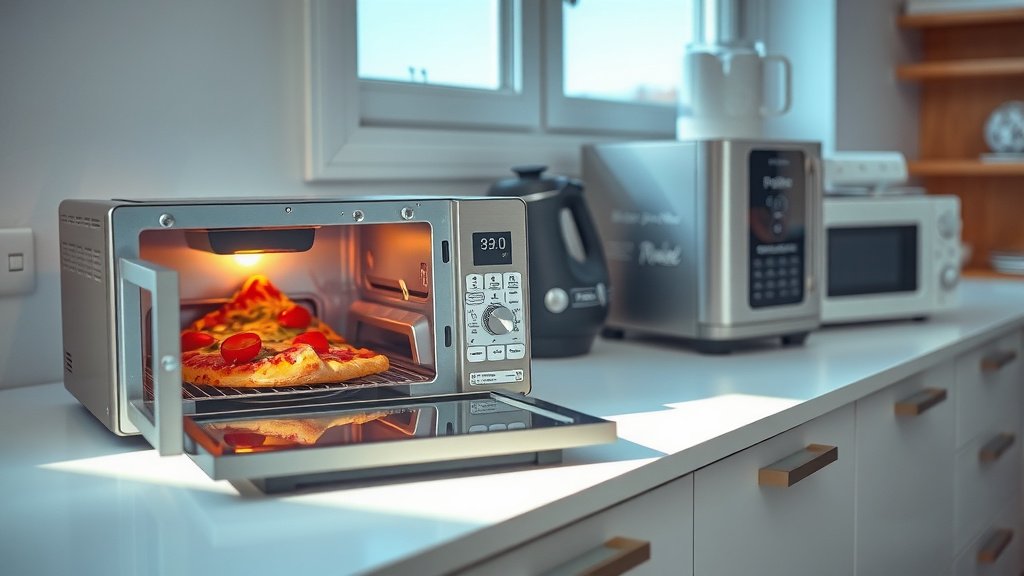
A toaster oven often provides superior texture and browning for reheating foods like pizza, pastries, or crispy items, preventing the rubbery or soggy results a microwave can produce.
However, for speed and convenience with liquids, soups, or dishes where texture isn’t key, the microwave remains the faster choice for reheating your meals.
TL;DR: Deciding between a toaster oven and a microwave for reheating can be tricky, but here’s the quick answer:
- The toaster oven is best for foods needing crispness or browning.
- The microwave excels at quick heating for soft foods and liquids.
- Consider food type: Crispy items love the toaster oven. Soups love the microwave.
- Time versus quality is your main trade-off when choosing.
Is Toaster Oven Better Than Microwave For Reheating?
Yes, a toaster oven can often be better for reheating many types of food if you prioritize texture and a freshly cooked feel over speed.
This is especially true for items that benefit from dry heat, like leftover pizza or baked goods, which often turn out much better than microwave results.
Understanding How Each Appliance Works
To really know which is best, you need to understand their core heating methods. It’s like comparing apples and oranges, but for your kitchen!
The Microwave’s Magic: Quick Heat
Microwaves use electromagnetic radiation to excite water molecules within your food. This creates internal friction, generating heat rapidly.
This process is super fast, often reheating your meal in minutes. It’s perfect when you need to warm things up quickly and don’t care much about the outer texture.
Toaster Oven’s Warm Hug: Radiant Heat
A toaster oven works more like a traditional oven, using heating elements to radiate heat. This dry heat cooks food from the outside in.
This method gives your food time to crisp up and brown, resulting in a nicer texture and taste. Think of it as a mini, convenient oven.
When to Grab Your Toaster Oven for Reheating
You’ll love your toaster oven for reheating certain foods. It really shines when you want to bring back that original crispness or even improve upon it.
Many experts say it helps prevent that dreaded “soggy” feeling we often get from other methods (Food Network).
- Pizza slices: Gets the crust crispy and cheese melty without turning it chewy.
- Baked goods: Croissants, pastries, and bread items regain their flakey or soft texture.
- Fried foods: Leftover chicken tenders or fries become crunchy again, not limp.
- Roast vegetables: Broccoli or potatoes can re-crisp beautifully.
- Casseroles and gratins: Develop a nice crust on top.
Why Choose the Microwave for Your Leftovers?
Despite the toaster oven’s perks, the microwave definitely has its place. It’s the champion of speed and convenience for specific food types.
When you are short on time, it’s often the only practical choice to warm your food fast.
- Soups and stews: Heats liquids evenly and quickly.
- Sauces: Perfect for warming up gravies or pasta sauces without drying them out.
- Rice and pasta dishes: Reheats well without needing crispness.
- Steamed vegetables: Keeps them moist and tender.
- Canned foods: Quickly warms up items like beans or chili.
Speed versus Quality: The Core Dilemma
Your choice often comes down to this simple trade-off. Are you in a hurry, or do you want the best possible reheated texture?
We found that for a workday lunch, speed wins, but for a leisurely weekend brunch, quality often matters more.
Considering the Time Factor
Microwaves are typically 2-5 times faster for reheating a single portion. This difference can be significant when you’re hungry right now.
A toaster oven needs preheating time, which adds several minutes before the actual reheating even begins.
Looking at the End Result
If you enjoy food that tastes close to freshly cooked, the toaster oven wins for many items. That crisp crust on your pizza is a big deal!
Research often connects dry heat with better texture retention for many baked and fried foods (Culinary Institute of America).
Energy Use: A Quick Glance
The energy consumption of each appliance can also factor into your decision. It’s not always straightforward, as usage patterns play a role.
Microwaves use power for a shorter burst, while toaster ovens use less power but for a longer period.
| Feature | Toaster Oven | Microwave |
|---|---|---|
| Heating Method | Radiant dry heat | Microwave radiation |
| Speed | Slower (needs preheat) | Very fast |
| Best For | Crispy items, browning | Liquids, soft foods |
| Texture Result | Crispy, well-browned | Soft, sometimes soggy |
| Power Draw | Lower watts, longer duration | Higher watts, shorter duration |
Safety First: What You Should Know
Both appliances are safe when used correctly, but there are a few things to remember. Always follow manufacturer guidelines.
Never put metal in a microwave, and watch for spills in your toaster oven that could cause smoke.
Reheating Checklist: Pick Your Appliance!
Before you reheat, quickly run through these questions to decide which appliance is your best friend for the moment:
- Do you need crispness or browning?
- How much time do you have?
- Is the food liquid-based or solid and dry?
- Does the food need to retain its original texture?
- Are you reheating just one portion or a larger amount?
Tips for Better Reheating, No Matter What
No matter if you choose a toaster oven or a microwave, a few tricks can always improve your reheated food experience.
For example, covering food in the microwave can help keep moisture in and prevent splatters.
In Your Toaster Oven
Try placing food on a baking sheet lined with foil to catch drips. Use a lower temperature for a longer time to heat items gently and evenly.
Many experts suggest a temperature of 300-350°F (150-175°C) for most leftovers (Good Housekeeping).
In Your Microwave
Use microwave-safe dishes and cover your food with a damp paper towel or a microwave-safe lid. This helps steam heat the food and prevents drying out.
Stirring food halfway through heating helps distribute the heat more evenly.
Conclusion
Choosing between a toaster oven and a microwave for reheating really comes down to what you’re warming up and what your priorities are. If you want speed and convenience for soft, liquid-rich foods, the microwave is your best friend.
But if you crave that crisp, freshly baked texture for items like pizza, fries, or pastries, the toaster oven is definitely the better choice. Both have their strengths, and often, having both in your kitchen makes you a reheating wizard!
Frequently Asked Questions
Can I reheat everything in a toaster oven?
You can reheat most solid foods in a toaster oven, but it’s not ideal for liquids like soup or stew, as it takes much longer and can be messy to transfer. Focus on items where texture matters.
Does reheating in a toaster oven use more electricity than a microwave?
For a single serving, a toaster oven generally uses less power per minute, but it heats for a longer duration. A microwave uses higher power for a shorter burst. The total energy use can vary based on food type and quantity, but for quick small items, the microwave might be more energy-efficient overall.
How do I prevent food from drying out in a toaster oven?
To keep food from drying out in a toaster oven, you can cover it loosely with aluminum foil for most of the heating time. Also, using a slightly lower temperature and a bit more time can help heat food gently without dehydrating it.
Is it safe to reheat meat in either appliance?
Yes, it is safe to reheat cooked meat in both appliances, provided you heat it thoroughly to an internal temperature of 165°F (74°C) to prevent foodborne illness. Use a food thermometer if you are unsure, especially with larger pieces of meat (USDA).
Which appliance is better for reheating pizza to make it crispy?
For a crispy pizza crust, the toaster oven is hands-down better than a microwave. The dry, radiant heat of a toaster oven will revive the crust and melt the cheese beautifully, making it taste almost as good as fresh. The microwave tends to make pizza crust soggy.